 As the population ages, sarcopenia becomes a greater challenge and opportunities for its prevention are critical to keeping older adults active and healthy and preventing a major public health burden. A new scoping review examined 13 studies that looked at home-based exercise and nutrition programs and their effect on muscle outcomes (mass, function, strength) among older adults. Among their many findings:
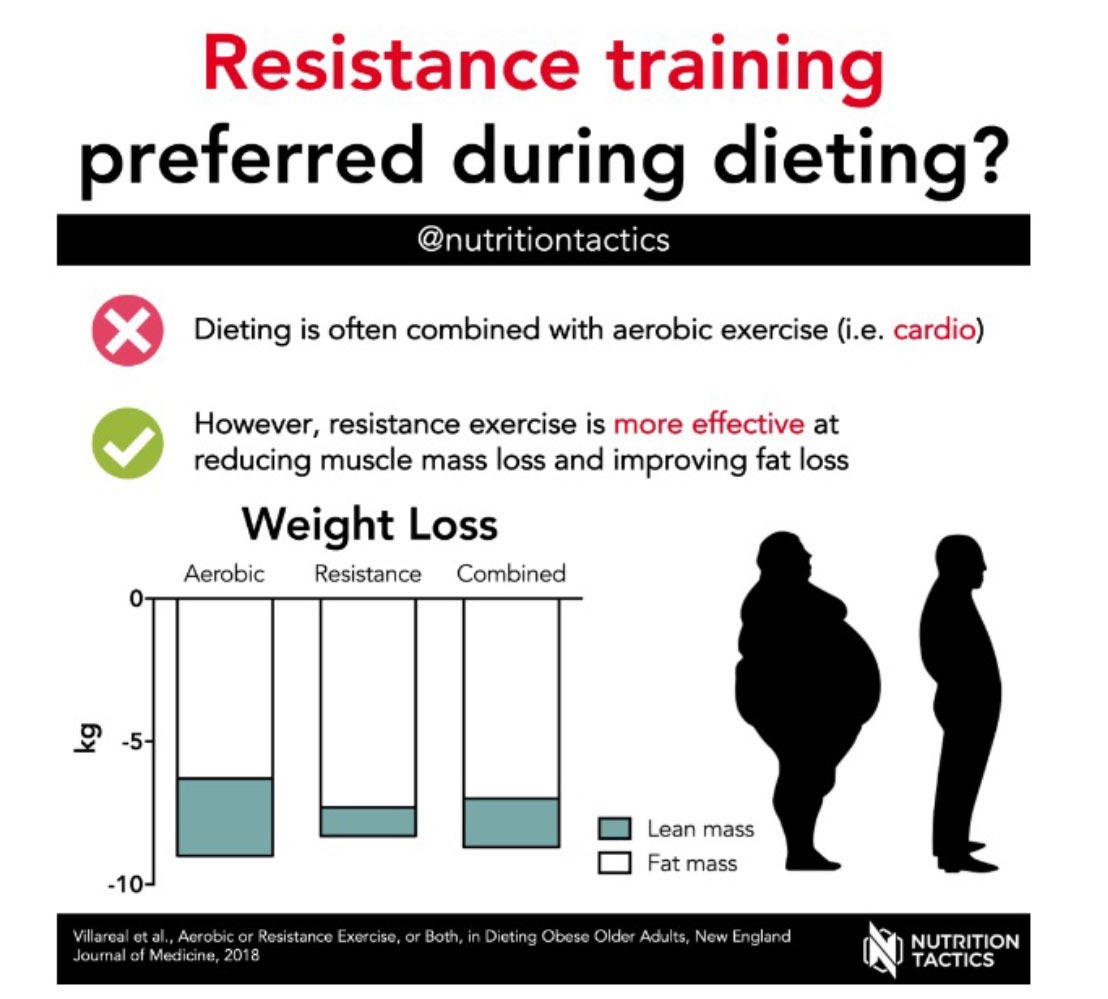
- Resistance training (RT) was more potent in helping maintain/improve muscle mass and strength, while multi-component programs improved muscle function.
- Two studies showed that RT 3 days per week can help enhance muscle mass.
- Providing detailed specific nutrition information on when, how, and how much food and/or supplements should be taken appeared to show improvements in muscle outcomes.
- While it has been established that dietary protein requirements are higher in older adults, it is well-known that most older adults do not meet these requirements. Routine testing for protein intake would help with sarcopenia studies moving forward.
- Recommendations for sarcopenia prevention and intervention for older adults vary from 1–1.5 g/kg/day of protein combined with regular exercise.
- One study that increased participants’ protein intake to 1.2 g/kg/day showed improved muscle quality.
- Timing of the protein intake is also key. The International Society of Sports Nutrition (ISSN) recommends post-exercise high protein ingestion (immediately to 2 hours) to stimulate muscle growth; consuming 20–40 g of high-quality protein doses based on 0.25–0.40 g/kg body is ideal.
- Studies that showed improved muscle strength provided participants with home equipment to assist with the exercise regimen.
Source: Sun L, Wang C, Zhang M, Li X, Zhao B. The surgical timing and prognoses of elderly patients with hip fractures: a retrospective analysis. Clin Interv Aging. 2023;18:891-899. doi: 10.2147/CIA.S408903.