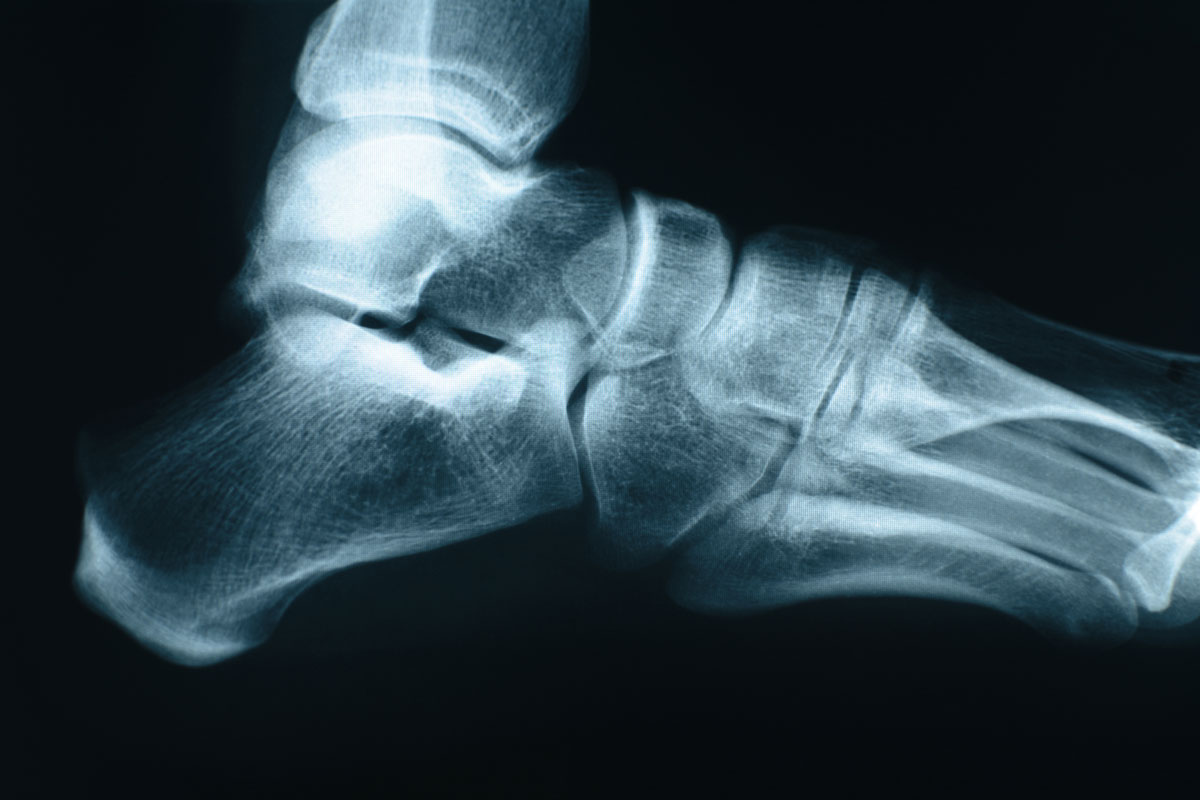








Ankle fractures are common, and although treatment is generally successful, up to 50% of patients experience long-term functional issues. One potential cause is the presence of hidden osteochondral talar lesions (OCTLs), which may not be easily detected with traditional imaging methods like MRI. While MRI is widely used, it often reveals OCTLs that are not related to symptoms, making clinical interpretation difficult.
Researchers in Spain compared MRI and single photon emission computed tomography (SPECT-CT) in detecting symptomatic OCTLs after arthrogenic ankle fractures. In an ambispective study of 40 patients who underwent ankle fracture surgery, researchers assessed functional outcomes using AOFAS and EFAS questionnaires and compared them against imaging findings. The results showed that SPECT-CT detection of OCTLs, particularly those showing radiotracer uptake, was significantly associated with worse functional scores. Conversely, bone edema seen on MRI did not show a similar correlation with symptoms. The findings suggest that SPECT-CT may provide a better clinical-radiological correlation than MRI, as it evaluates both anatomical and metabolic activity, offering insights into lesion activity and potential impact on recovery.
Source: Ojeda-Jiménez J, Vilá-Vives P, Tejero S, et al. MRI vs SPECT-CT in the diagnosis of fracture-related talar osteochondr