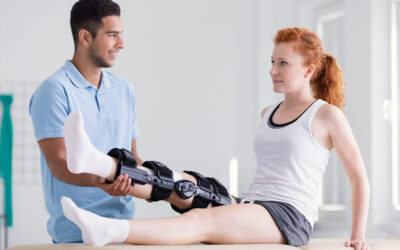
As the use of robotic assistance in total knee arthroplasty (TKA) has grown, there has been limited research looking at whether it improved the risk of revision. New data showed that revision rates were similar in conventional and robotic-assisted cementless TKA at 2 years post-operatively. Presented at the 2024 Annual Meeting of the American Academy of Orthopaedic Surgeons (AAOS), the study…

Lower Extremity Review
AI Chatbots Provide Inconsistent Accuracy for Musculoskeletal Health Information
With the growing popularity of large language model (LLM) chatbots, a type of artificial intelligence (AI) used by ChatGPT, Google Bard ,and BingAI, it is important to outline the accuracy of musculoskeletal health information they provide. Three new studies presented at the 2024 Annual Meeting of the American Academy of Orthopaedic Surgeons ( AAOS ) analyzed the validity of the information chatbots gave…
Younger Age of Primary ACL Injury, Decreased Time to Return to Sport Significantly Increases Risk of Secondary ACL Injury in Adolescent Athletes
In adolescent athletes who underwent anterior cruciate ligament reconstruction (ACLR), the younger the athlete at the time of primary ACLR and an earlier return to sport (RTS) were significantly associated with an increased rate of secondary ACL injuries, according to a new study presented at the 2024 Annual Meeting of the American Academy of Orthopaedic Surgeons…
Understanding Who We Are Helping
Chronic conditions such as diabetes and peripheral vascular disease were the leading cause of amputation for more than 60% of patients treated at Indiana University Center for Limb Loss (CLL), a Level 1 Trauma Center, according to a new retrospective study. In looking at the electronic medical records of 218 amputee patients who…
Amputee Football Brings Soccer to Every Body
The US Amputee Football Federation (USAFF) provides participants with an environment and opportunity to regain hope that may have been lost after amputation. Through a sense of teamwork, competitiveness, and achievement, participating in football/soccer allows those with amputations to build physical strength, improve body awareness, balance, and coordination, and develop social skills.
Additive Manufacturing Is Here to Stay
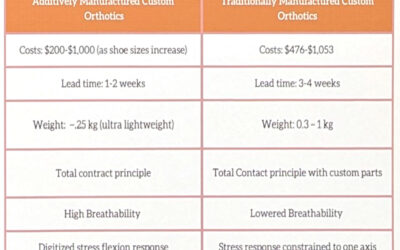
By reducing weight, lead times, and costs, 3-D printing or additive manufacturing (AM) offers significant opportunities for better customization in orthotic and prosthetic development. Today’s state-of-the-art scanning technologies allow for the design of components with complex geometries that can improve the functionality of orthoses and prostheses.
Post-Processing Tech Personalizes to Each User’s Needs
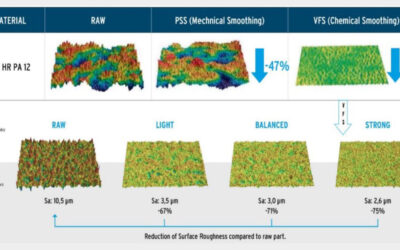
While 3D printing has dramatically accelerated the customization process for manufacturing orthotics and prosthetics, it’s often today’s post-processing technologies that make those applications possible. The ability to create washable and sealed surfaces that maintain material properties or the chance to add any color you want – from Pantone to customized skin colors and all of that matching the standards for biocompatibility is a real game changer.
Manitoba P&O Users Endorse Certified Care…Want More
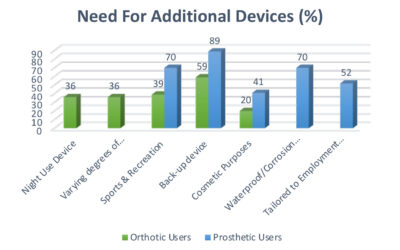
A recent survey found that experienced orthotic and prosthetic (O&P) device users with a chronic disability liked the range of care they received from certified O&P providers, were “very satisfied” with the device-related goals they had achieved, and reported they could not maintain their current level of function without certified P&O providers.
Pseudo-Prosthesis Appears Accurate As Teaching Tool
Prosthetic device users have a wide range of needs and prosthetists need to be aware of varying product offerings to meet those needs. Pseudo-prostheses allow able-bodied users to understand ambulation in a specific device, providing critical education about new products as well as ongoing training for evolving products.
The Importance of Interface Materials
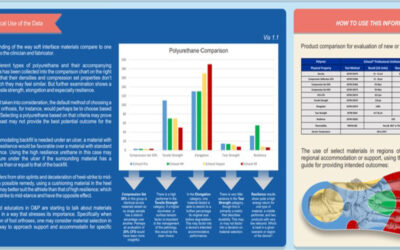
A fundamental understanding of the way soft interface materials compare to one another provides insight to the clinician and fabricator. Example: Compare different types of polyurethane and their accompanying reported data. Some data has been collected into the comparison chart on the right…
Venous Leg Ulcers and Concomitant Lymphedema
To achieve the best outcomes for patients with venous leg ulcers (VLU), a definitive and accurate diagnosis must be achieved. Many papers regarding VLU management assume a simplicity in the diagnosis given the relative commonality, neglecting the associated lymphatic…
By M. Mark Melin, Caroline Fife, Marlin Shul, Monika Gloviczki, Adelaide Herbert, Heather Barnhart (Hettrick), Amy Kaufman, Karen Andrews, Sandra Rosenberg
Natural Zinc Ion Based Technology for Next Generation Compression and Wound Care Devices
Material selection can strongly impact medical device performance and patient experience. Selection of the optimum materials in combination with the design, will influence how the device performs in promoting recovery, increasing lymphatic fluid, regulating moisture and…
By Cristina Acevedo, PhD; Ian Crane; Rohit Kankaliya; Rajib Mondal, PhD; Albert Ortega; Kevin Urman, PhD
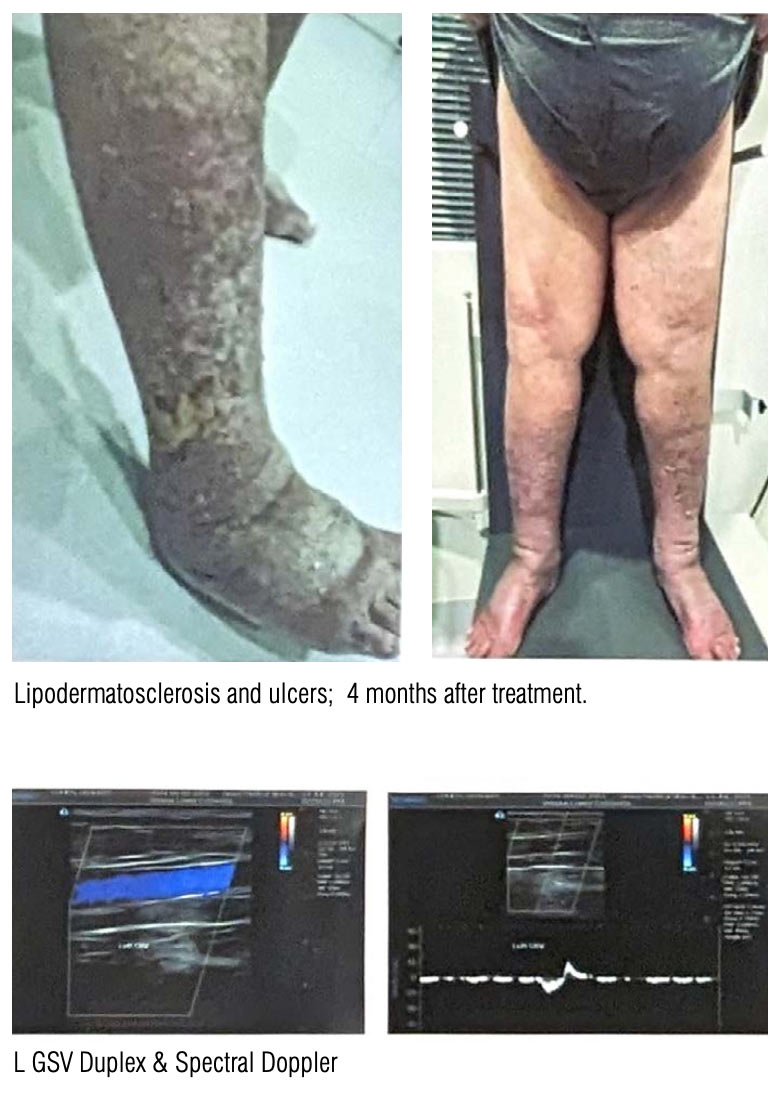
Chronic Lipodermatosclerosis in a Patient with Functional Venous Disease
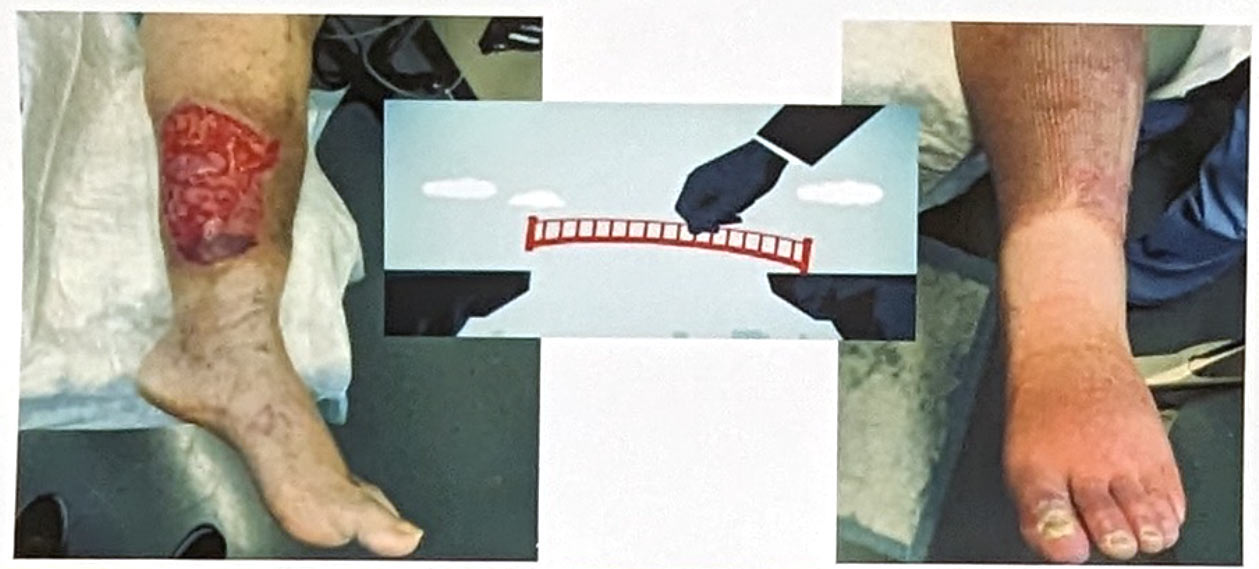
Case Report: 70-year-old man with a BMI of 57.1 presenting with bilateral symptomatic tributary varicose veins, chronic lipodermatosclerosis and venous ulcers of both lower limbs. There was no history of DVT or PE. He has central obesity with overhanging anterior abdominal wall.
By Preshy Varghese, MBBS, MMed, FRCS, FRACGP
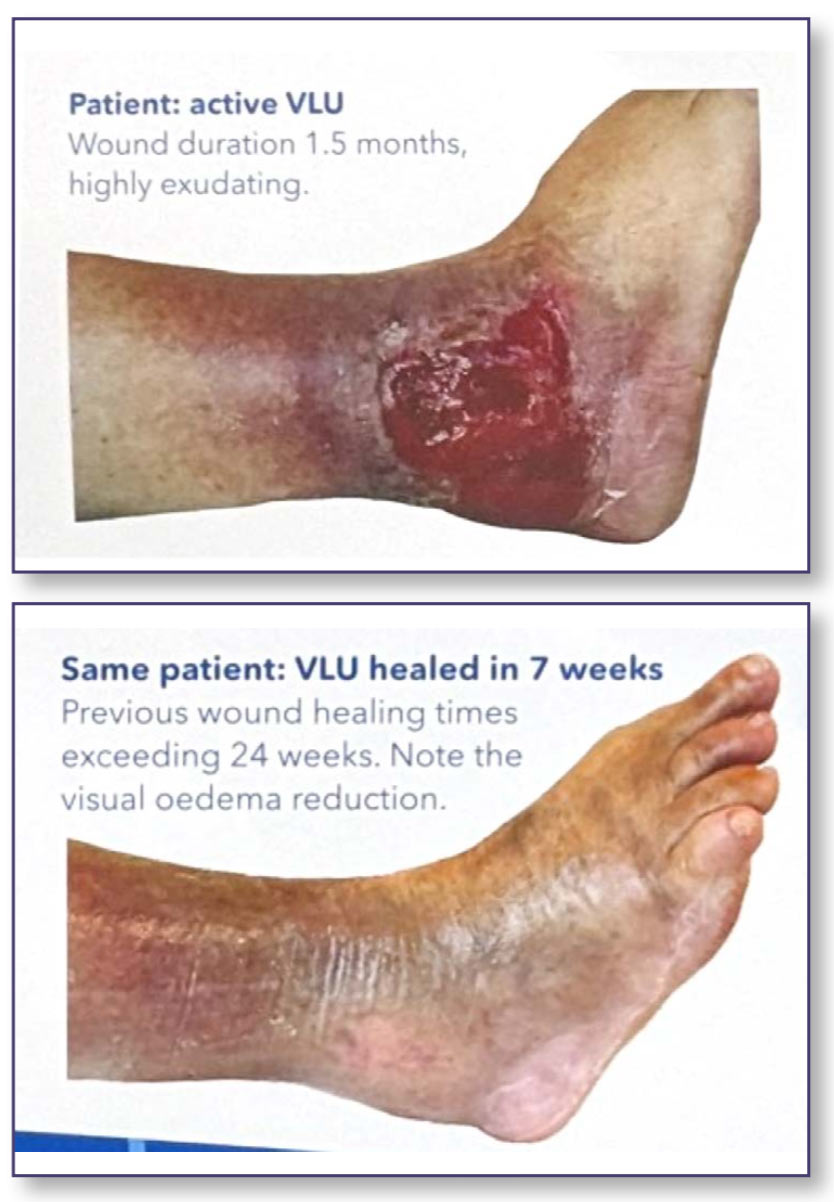
Innovative Compression Technology May Reduce Hospital Visits and Improves Self-Care in Venous Leg Ulcer Patients
The cost of treatment, such as nursing time required for application of products and the number of clinical visits, is a significant expense in venous leg ulcer (VLU) care. Objectives: This study aimed to evaluate the efficacy of an innovative compression technology that delivers a well-defined pressure, invariant of applier skills, leg shape, and without the need for reapplications due to edema reduction.
By Andreas Nilsson and Josefin Damm
Return-to-Sport Following Deltoid Ligament and Syndesmosis Repair in a Division 1 Football Defensive Back
Background: A 22-year-old, Division I male football defensive back, with no previous history of ankle injury, sustained a left ankle injury during competition. The mechanism of injury was direct contact to the lateral lower leg from an opponent forcing the ankle toward eversion. Initial on-field evaluation revealed palpable…
Join
Subscribe For Updates
Stay in the loop with the latest news and updates! Subscribe now to receive exclusive content, special offers, and important announcements straight to your inbox. Don’t miss out – join our community today for all the latest updates delivered directly to you.