Clubfoot Etiology

Clubfoot Etiology

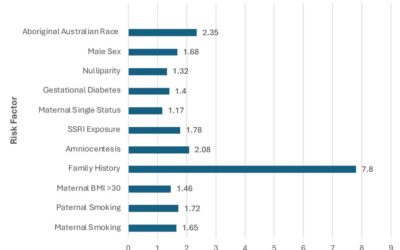
Data is derived from a meta-analysis and systematic review of the literature that looked at 42 studies including 28 case-control, 10 cohort, and 4 randomized trials, comprising 31,844 clubfoot cases and 6,604,013 controls. The authors concluded that recognition of modifiable risk factors may help in counseling patients and minimizing clubfoot incidence.

read more
AC E-Stim Unit Shows Improvement in DPN

AC E-Stim Unit Shows Improvement in DPN

Diabetic peripheral neuropathy (DPN) is a common complication in both Type 1 and 2 diabetes, affecting both large and small nerve fibers, most commonly in the feet and hands. While drug therapies and their multiple side effects have been the traditional response, electrical stimulation (e-stim) has been showing promise and is frequently advertised on the Internet. It is a noninvasive therapeutic modality that…

read more
Backward Walking As Therapy for Forward Head Posture

Backward Walking As Therapy for Forward Head Posture

The presence of spinal arches is crucial for maintaining good body posture, reducing pressure on joints, and preventing deformities caused by misalignment. Engaging in exercises that focus on correcting body alignment, such as walking backward, can enhance posture and various related factors. Researchers from across Iran selected a group of 46 female students suffering from forward head posture…

read more
Gout Flare Burden in the United States

Gout Flare Burden in the United States

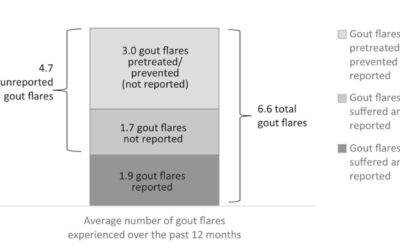
Researchers from University of Houston in Texas used an online survey to assess the burden of gout flares in a sample of US adults >18 years. Nearly 1,000 participants met the study criteria for having gout. Those with gout tended to be older (58.3 [SD 13.3] years vs 45.4 [SD 16.1] years; P < 0.001), male (76.3% vs 46.9%; P < 0.001), White (80.5% vs 76.8%; P = 0.01), and married or living with their partner…

read more
D-mannose promotes diabetic wound healing in rats

D-mannose promotes diabetic wound healing in rats

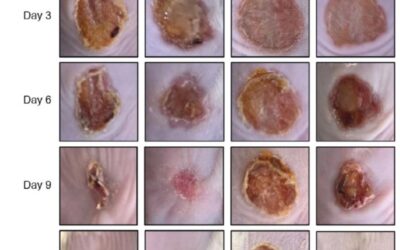
Diabetic chronic foot ulcers pose a significant therapeutic challenge around the world, resulting in adverse effects and complications in patients. D-mannose is enriched in citrus peel and exerts beneficial effects among various diseases, especially against inflammation-related disorders. These authors examined the potential effect of D-mannose during the wound healing process in…

read more
Socioeconomic Status Affects VLU Outcomes

Socioeconomic Status Affects VLU Outcomes

A recent study in the Journal of Wound Care reported on the impact of dual-enrolee (Medicare/Medicaid) status on venous leg ulcer (VLU) outcomes in more than 555,000 Medicare beneficiaries. The study found that patients with dual-enrollee status have incomes ranging from slightly above, at, or below the poverty level; greater numbers of comorbidities; and are more

read more
Flip-flops With Custom Insoles Do Not Relieve Pain

Flip-flops With Custom Insoles Do Not Relieve Pain

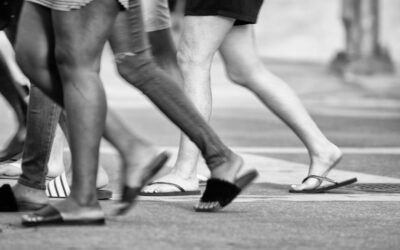
A recent study from Brazil evaluated the use of custom-made insoles adapted to flip-flops on pain intensity, foot function, and functional walking ability in individuals with persistent plantar heel pain. This randomized controlled trial assessed 80 participants at baseline, 6 and 12 weeks, and then 4 weeks post-intervention. At all 3 check points, no between group difference was…

read more
Talar Neck Non-Unions: Clinical and Radiological Outcomes of 8 Cases

Talar Neck Non-Unions: Clinical and Radiological Outcomes of 8 Cases

Significant hindfoot deformity and morbidity can result from talar neck non-unions but are not often reported in the literature. Surgical management is evolving, with recent publications on the results of open reduction and internal fixation (ORIF) with bone grafting (BG), ankle fusion and modified Blair fusion. These authors report the clinical and radiological outcomes of a cohort of talar neck non-unions managed by ankle joint preserving reconstruction.

read more
6-Year Follow-up of Aging Marathon Runner

6-Year Follow-up of Aging Marathon Runner

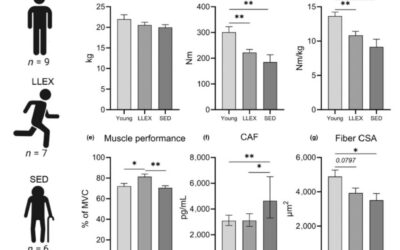
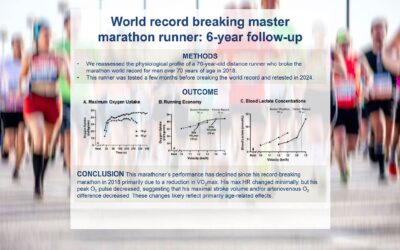
This marathoner’s performance has declined since his record-breaking marathon in 2018 primarily due to a reduction in VO,max. His max HR changed minimally, but his peak O2 pulse decreased, suggesting that his maximal stroke volume and/or arteriovenous 02 difference decreased. These changes likely reflect primarily age-related effects.

read more

Join

Subscribe For Updates

Stay in the loop with the latest news and updates! Subscribe now to receive exclusive content, special offers, and important announcements straight to your inbox. Don’t miss out – join our community today for all the latest updates delivered directly to you.