Prevalence of Neuropathic Pain Symptoms

Prevalence of Neuropathic Pain Symptoms

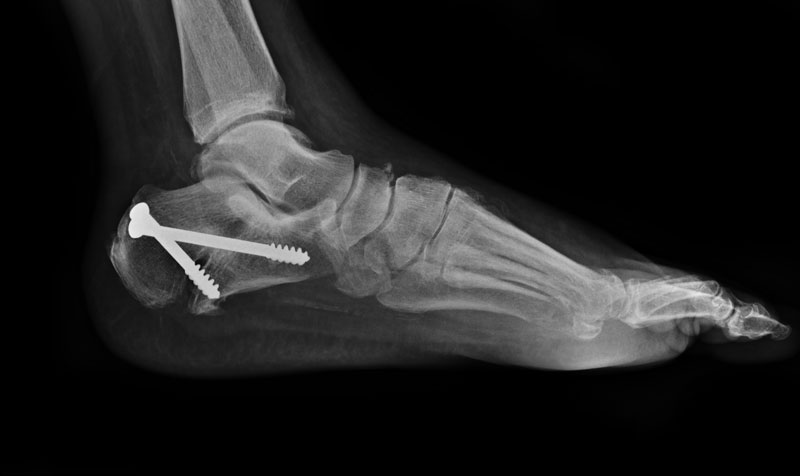
Managing pain in patients with foot and ankle pathology can be a challenge. In addition to nociceptive mechanisms, neuropathic mechanisms can contribute to pain in patients with orthopedic conditions and can be found in 10.5% to 53% of patients with chronic pain, depending on the location of the pathology.
read more
Orthotic insoles for people with diabetes at-risk of ulceration

Orthotic insoles for people with diabetes at-risk of ulceration

This study focused on pressure-relieving orthotic insoles designed for retail footwear and people with diabetes and at risk of first forefoot ulceration. The aim was to investigate whether the pressure-relieving effects of a customized metatarsal bar and forefoot cushioning are sensitive to bar location and shape, and material choice.

By Ana Martinez-Santos, Stephen Preece, and Christopher J. Nester

read more

Survey Identifies Quality of Care Indicators for AFO Users

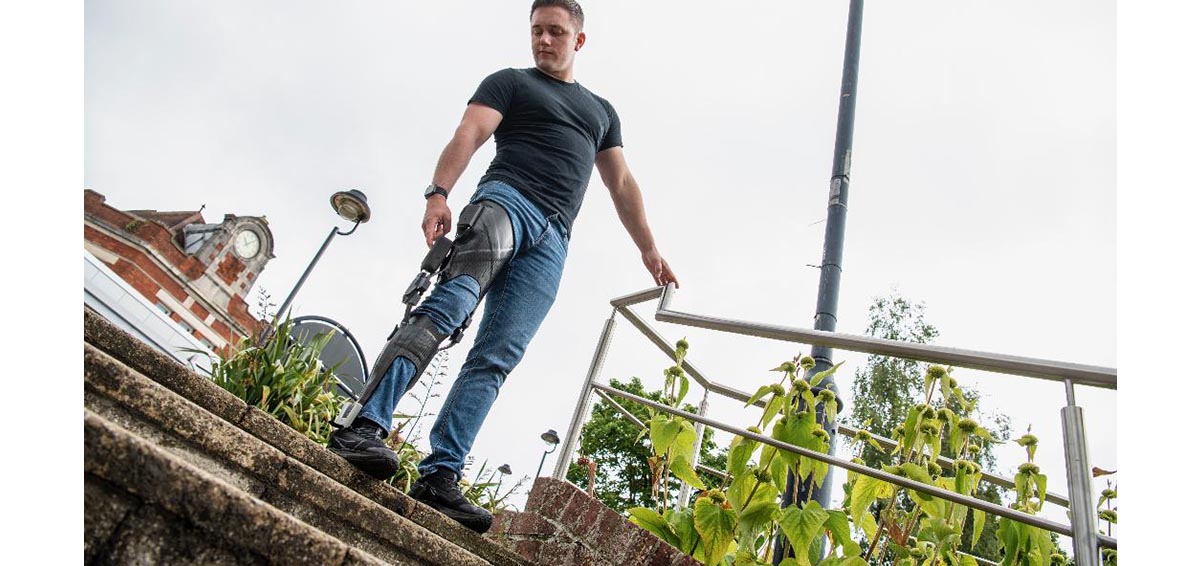
Lower limb orthoses are worn by nearly 2 million Americans of all ages. Certified orthotists have reported spending 59% of their time providing lower limb orthoses, of which 18% is spent providing ankle foot orthoses (AFOs). Despite such a substantial time commitment spent providing patients with lower-limb orthoses, and specifically AFOs, patient satisfaction reporting and quality of care assessment have not been fully documented.

By Laura Fonda Hochnadel

read more
Isokinetic Training + Eccentric Overload = >Muscle Size, >Performance

Isokinetic Training + Eccentric Overload = >Muscle Size, >Performance

A team of researchers undertook a study to examine changes in performance and muscle size in young ice hockey players who underwent a program of multiple-joint isokinetic (ISO) resistance training (RT) and eccentric overload (ECC) compared to a control group that underwent a traditional (eg, isotonic) RT program. According to the literature, ISO training and ECC, when…

By Laura Fonda Hochnadel

read more
Gout: Well Known, But Misunderstood

Gout: Well Known, But Misunderstood

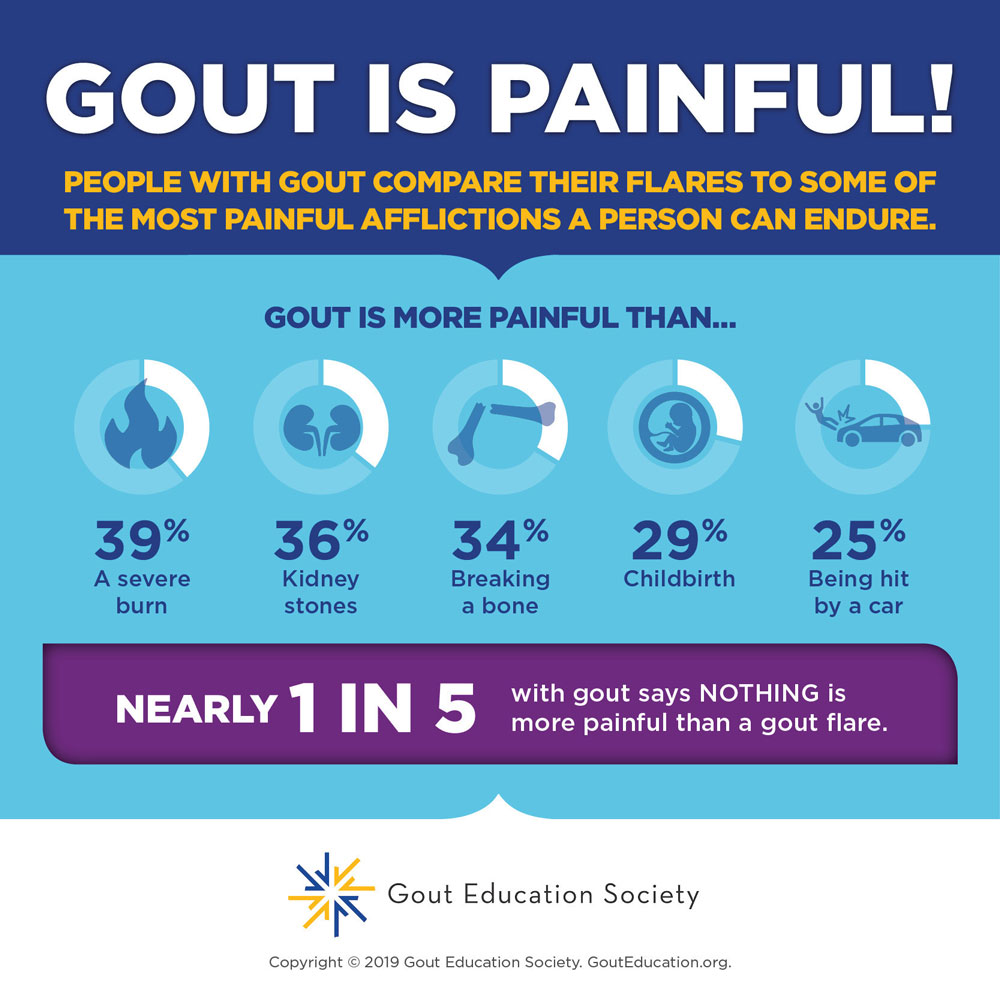
Gout may be well known, but there is a tremendous misunderstanding of what it takes to treat this serious inflammatory disease. Those are among the findings of a recent survey conducted for the Gout Education Society by Wakefield Research. The online survey of 1,000 nationally representative Americans, ages 18+, with an oversampling of 100+ interviews of adults who…

read more
Glaucoma = Gait Changes and Fall Risk

Glaucoma = Gait Changes and Fall Risk

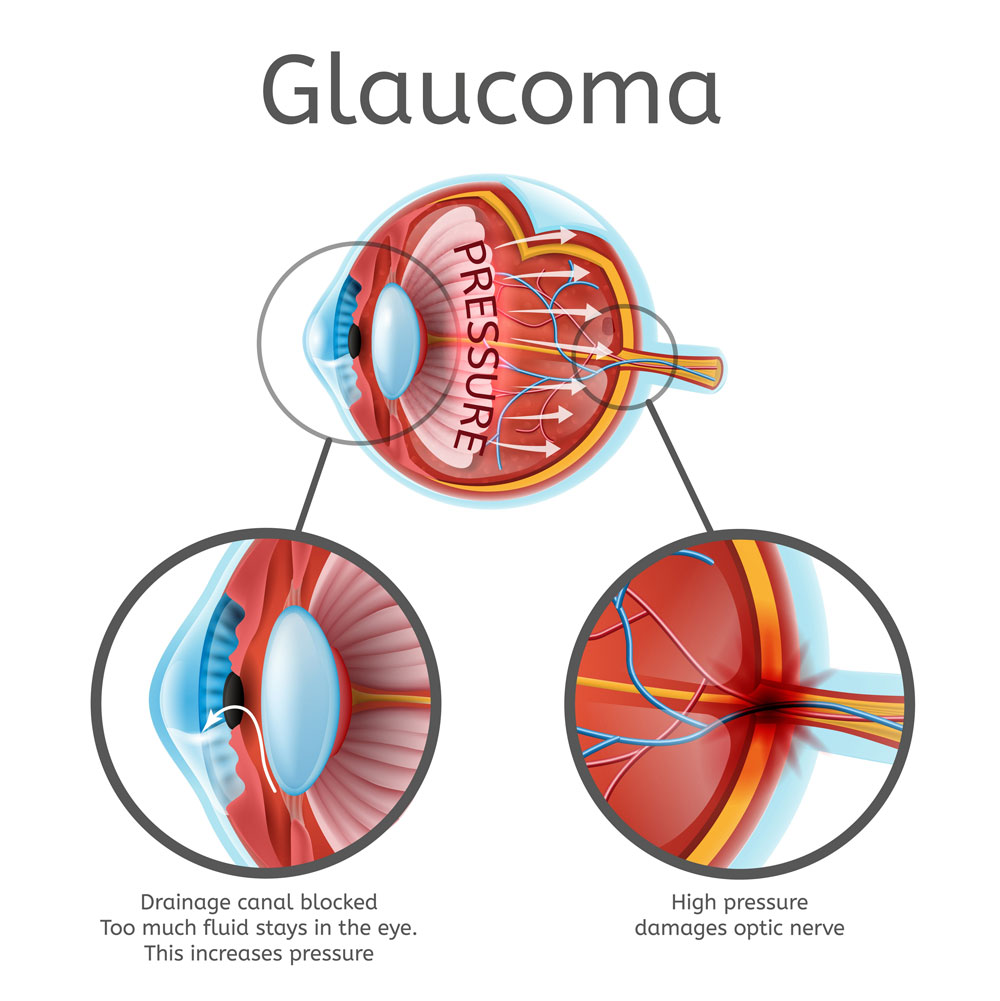
early 60 million people worldwide will be affected by primary open-angle glaucoma (POAG) in 2020. The condition, a leading cause of irreversible blindness, typically occurs in people > 40 years of age; risk increases with age. The condition is known to cause difficulty walking, particularly when lighting levels differ, such as on steps, or when crossing the street.

read more
Inverse Association Between Coffee and Falls

Inverse Association Between Coffee and Falls

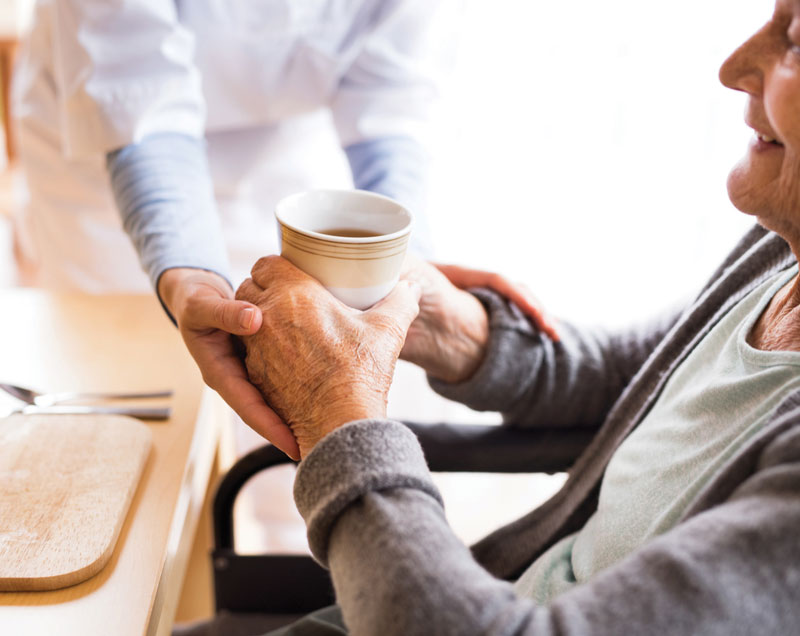
European researchers have found an inverse association between habitual (ie, daily) coffee drinking and the risk of falls in the elderly—and that inverse association was particularly strong among those who drank caffeinated! The association also held (although not to the same extent) for a lower risk of injurious falls.

read more
EXCERPT: Foot Orthoses Alter Lower-limb Biomechanics in Basketball Players—Flat Feet or Normal Arch

EXCERPT: Foot Orthoses Alter Lower-limb Biomechanics in Basketball Players—Flat Feet or Normal Arch

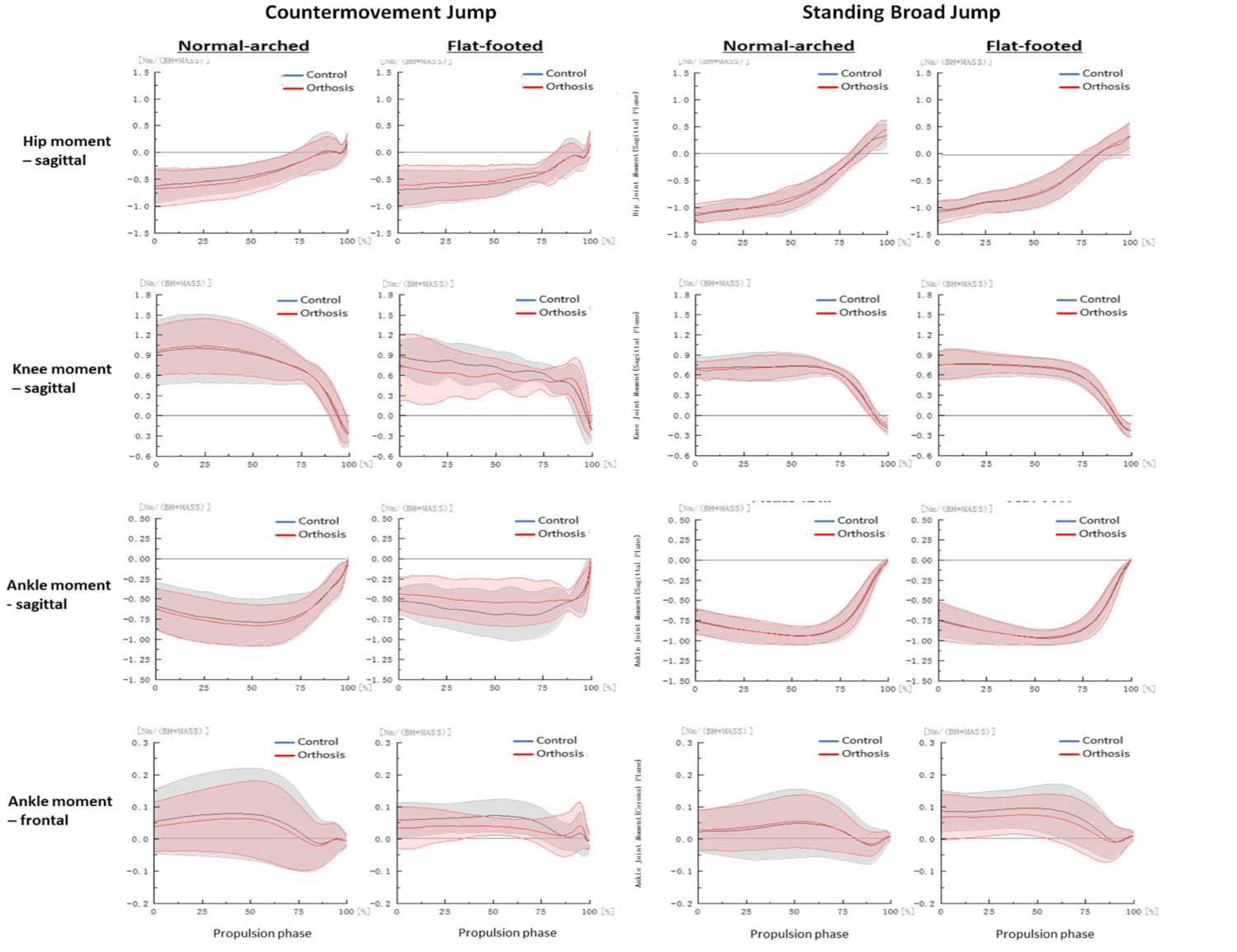
Flat-footed persons are believed to have poorer jump performance compared to those who have a normal arch. Foot orthoses are commonly used to support the deformed foot arch and improve normal foot function. However, it is unclear if use of foot orthoses affects jump performance in athletes.

By Malia Ho, Pui Wah Kong, Lowell Jia-Yee Chong, and Wing-Kai Lam

read more
Infographic on Running Related Injuries

Infographic on Running Related Injuries

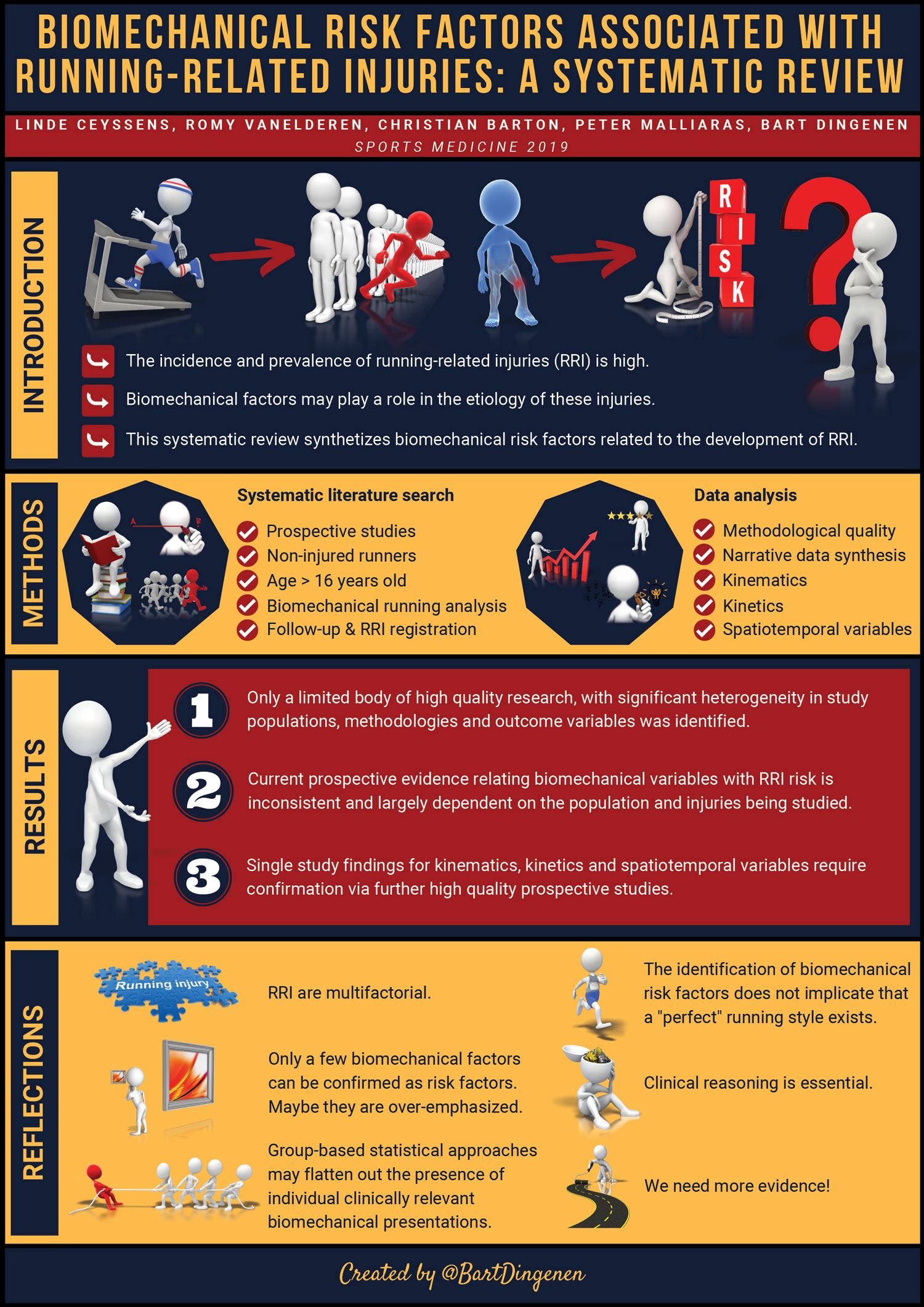
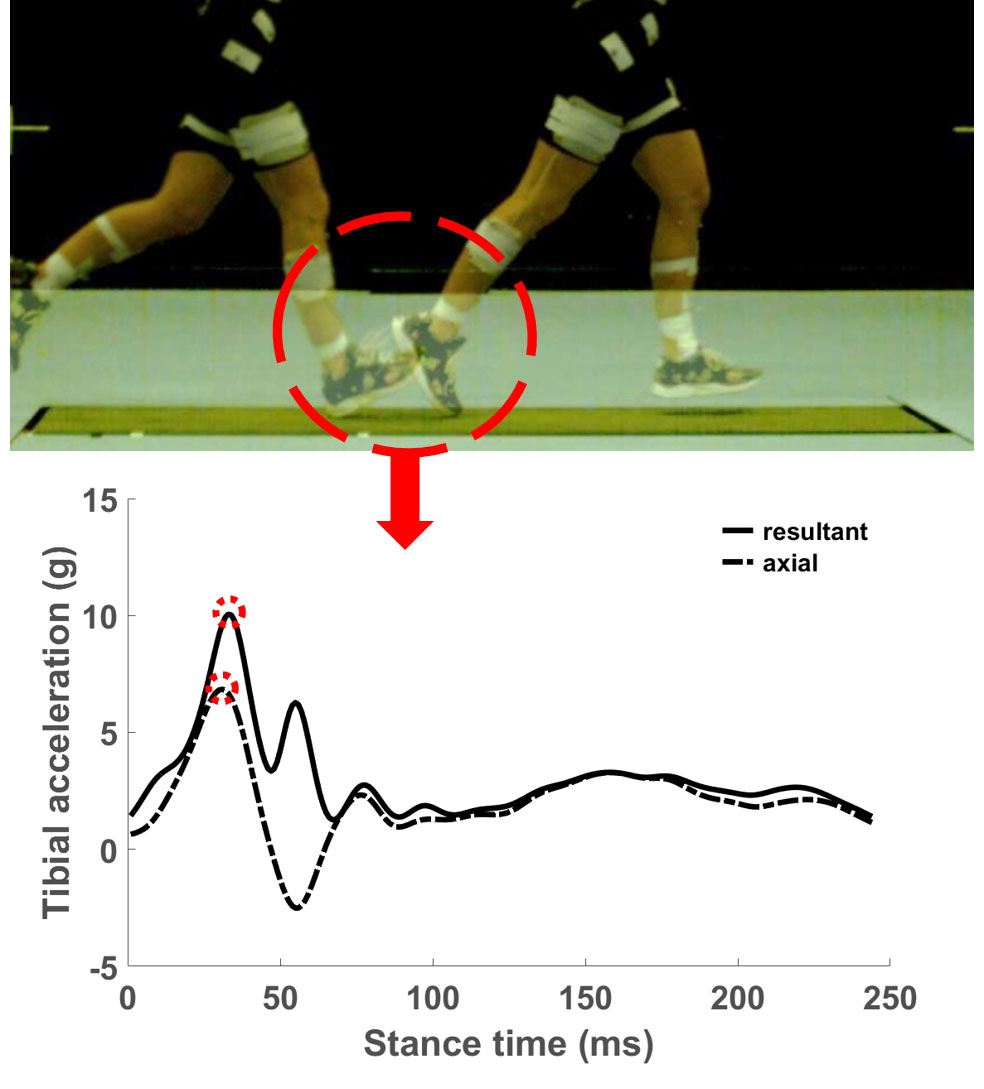
Biomechanical risk factors associated with running-related injuries: a systematic review. The incidence and prevalence of running-related injuries (RRI) is high. Biomechanical factors may play a role in the etiology of these injuries. This systematic review synthetizes biomechanical risk factors related to the development of RRI.

read more

Join

Subscribe For Updates

Stay in the loop with the latest news and updates! Subscribe now to receive exclusive content, special offers, and important announcements straight to your inbox. Don’t miss out – join our community today for all the latest updates delivered directly to you.