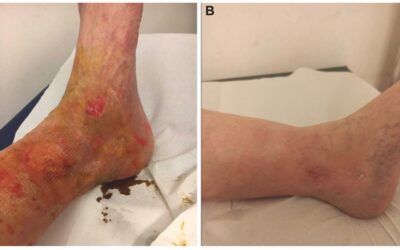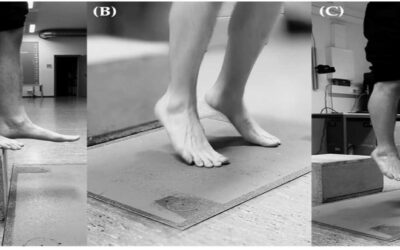
Diabetic foot Ulceration (DFU) is a severe complication of diabetic foot syndrome, often leading to amputation. In patients with neuropathy, ulcer formation is facilitated by elevated plantar tissue stress under insensate feet. This study presents a plantar pressure distribution analysis method to predict diabetic peripheral neuropathy.
Lower Extremity Review
How Do US Navy Service Members’ Physical Tests Change After Achilles Tendon Repair?
Achilles tendon ruptures are common injuries among adults that can cause substantial pain and disability. While prior studies have reported on return-to-play rates in athletes, limited data exist regarding functional outcomes within a military population.
Predictors of CAI in Soccer Players
Chronic ankle instability (CAI) is prevalent among soccer players, often resulting from recurrent ankle injuries (RAIs). Despite its impact on performance and long-term joint health, the associated risk factors remain insufficiently explored. This study aimed to identify the key risk factors for CAI among soccer players. A cross-sectional study was conducted among 310 soccer players from…
High-Intensity Training Vs. Moderate-Intensity Training in Sedentary Women
Regular physical activity is essential for improving cardiovascular health and overall well-being, yet many sedentary women struggle to meet exercise recommendations due to time constraints and low enjoyment. This study compared the effects of reduced-exertion high-intensity training (REHIT) and short moderate-intensity continuous training (SMICT) on…
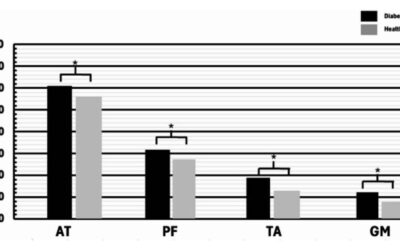
Mechanical Properties of Achilles Tendon and Plantar Fascia in Patients with History of DFU
Diabetic foot ulcers (DFU) are a major complication of diabetes, often leading to impaired mobility and increased risk of recurrence due to persistent biomechanical alterations. Understanding the mechanical properties of foot muscles, tendons, and fascia may provide insight into ulcer development, prevention and rehabilitation strategies.
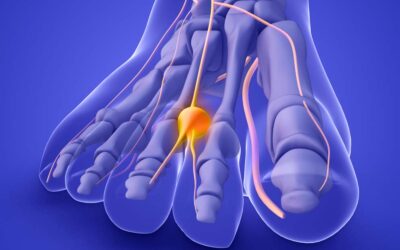
Optimized Nerve Management with Electrical Stim for Lower Extremity Neuroma
Nerve injury is the most common complication following foot and ankle surgery, with painful neuroma reported in up to 10% of procedures. Current treatment often yields varying degrees of pain relief. Electrical stimulation (ES) through peripheral neuromodulation is an emerging technology associated with improvement in nerve related pain and acceleration of neural regeneration.
Youth Soccer Lower Extremity Injuries Presenting to US Eds is Decreasing
Data from the National Electronic Injury Surveillance System were analyzed for soccer players ≤18 years old sustaining lower extremity injuries from January 2013 to December 2022. Patient data collected included age, sex, mechanism of injury, setting (practice vs game), diagnosis, lower extremity injury, and disposition.
Impact of Exercise in Patients with Diabetic Peripheral Neuropathy
Diabetic peripheral neuropathy (DPN) is a common and serious complication of diabetes mellitus, affecting sensory, motor, and autonomic nerves. It increases the risk of foot ulceration and falls. Management typically involves preventive strategies like patient education, risk stratification, and regular foot screenings.
Long Term Outcomes After Flexor Tendon Tenotomy of the Diabetic Foot
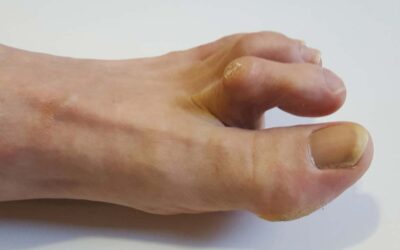
Hammertoes are one of not the most common deformities that afflicts the diabetic foot and leads to increased risk of diabetic foot ulcers. Flexor tendon tenotomy treatment of the diabetic hammertoe has gained increased interest and is now recommended in international guidelines as a treatment of hammertoes to prevent diabetic foot ulcers.
MTPD due to HADHA Variants Masquerading as Charcot-Marie-Tooth Disease
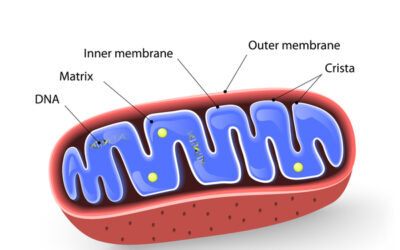
Mitochondrial trifunctional protein deficiency (MTPD) is an inherited disorder of fatty acid β-oxidation caused by mutations in HADHA or HADHB genes. It typically presents with cardiomyopathy or hepatic failure in early childhood; however, it may rarely present in adulthood with the neuromyopathic form.
Exergame Program Improves Gait in People with Parkinson’s Disease
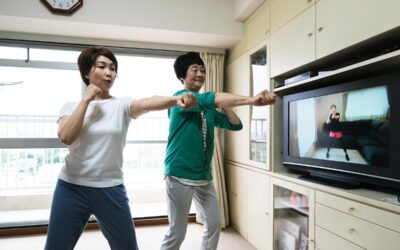
Gait impairments are among the most common and disabling symptoms of Parkinson’s disease and are especially aggravated in dual-task conditions. Interventions with conventional physical therapy improve gait cadence and speed, cognition, fear of falling, and freezing of gait. However, exergames have attracted interest in the treatment of people with Parkinson’s disease due to the characteristics of the…
Diagnostic Musculoskeletal Ultrasound for Plantar Fascia
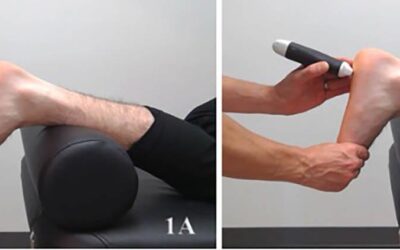
The plantar fascia is composed of fibrous connective tissue that forms a band running from the calcaneal tubercle distally to the toes. One of its main roles is to provide passive support to the medial longitudinal arch on the sole of the foot. This support is compared to a tie-rod tension producer during weight bearing. When loaded excessively during vocational or athletic activities, overuse in the form of…
Ozone Successful Treatment of Venous Leg Ulcers and Diabetic Foot Ulcers
Venous leg ulcers (VLUs) and diabetic foot ulcers (DFUs) are chronic wounds associated with significant morbidity, high recurrence rates, and poor healing outcomes. Conventional treatments often fail to achieve satisfactory results, leading to prolonged pain, infection risks, and reduced quality of life. Oxygen-ozone therapy (OOT) has emerged as a potential adjunct to conventional wound care, with…
Achilles Tendon Stiffness and Jumping: Comparative Study of Soccer and Basketball Athletes
Tendon properties influence athletic performance, and Achilles tendon (AT) stiffness correlates with an athlete’s jumping performance across sports. This study examined the relationship between AT stiffness and jumping performance in male athletes. Sixty-six males (24.9 ± 4.7 years; 22 basketball players (22.0 ± 4.1 years), and 44 soccer players (26.3 ± 4.4 years) participated.
Plantar Pressure in Recreational Athletes Running in Maximal and Traditional Shoes
Running is a popular competitive and recreational activity with numerous health benefits, including reduced risk of cardiovascular disease and all-cause mortality, and improved mental health. Despite these benefits, running continues to carry a high risk of injury. The primary objective of this study was to compare plantar pressure (peak forefoot and rearfoot pressure, center of pressure displacement and distance) between maximal…
Join
Subscribe For Updates
Stay in the loop with the latest news and updates! Subscribe now to receive exclusive content, special offers, and important announcements straight to your inbox. Don’t miss out – join our community today for all the latest updates delivered directly to you.