







 Regular physical activity is essential for improving cardiovascular health and overall well-being, yet many sedentary women struggle to meet exercise recommendations due to time constraints and low enjoyment. This study compared the effects of reduced-exertion high-intensity training (REHIT) and short moderate-intensity continuous training (SMICT) on functional capacity, resting heart rate (RHR), and activity enjoyment in sedentary women.
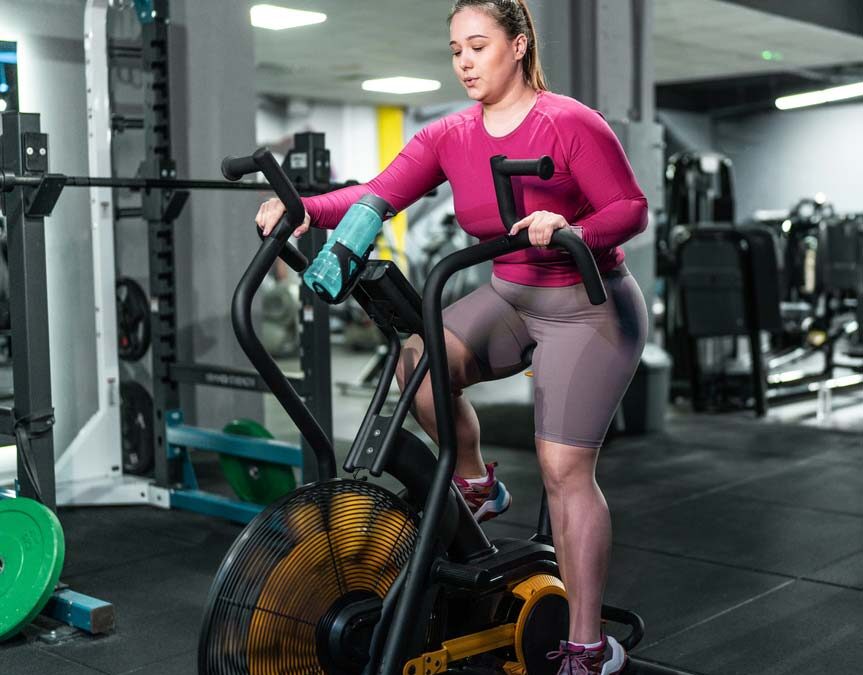
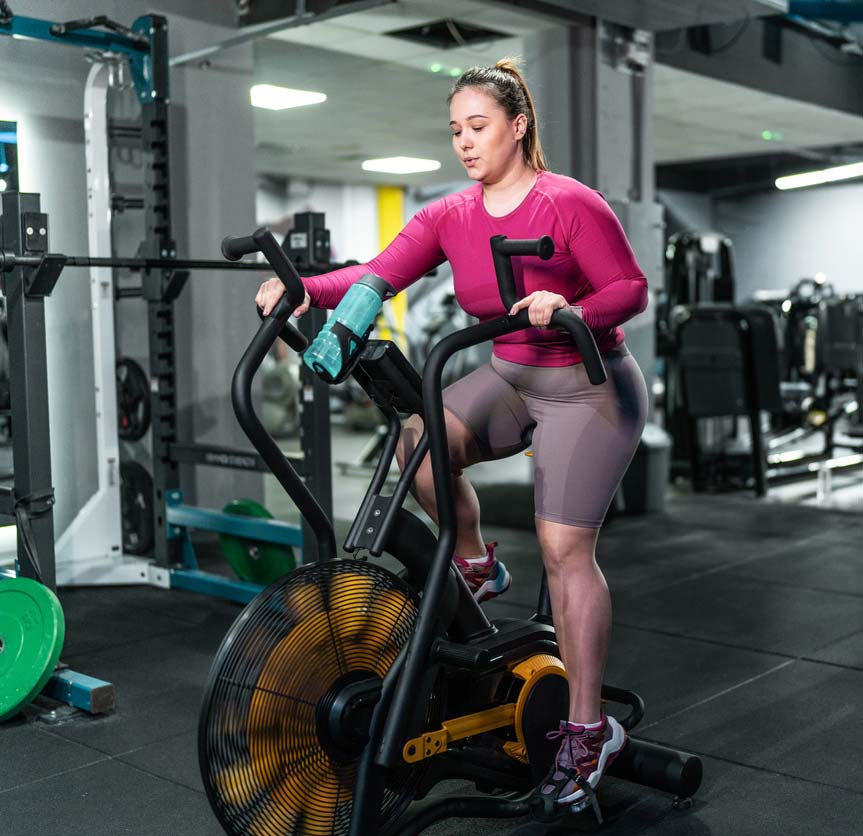
Thirty sedentary young women were randomly allocated to a: i) REHIT group (n = 15) or ii) SMICT group (n = 15) (2 sessions/week, 6 weeks) using a computer-generated random allocation sequence. Both groups performed an intervention on a cycle ergometer that included a warm-up (3 min at 50% of HRmax), the main part of the session, and a cool-down (3 min at 50% of HRmax). The main part in REHIT consisted of 20-40 sets divided in 2 maximum cycling sprints of all-out exercise at 100% of HRmax with an active rest of 3 min between them; while SMICT consisted of 6-12 min of moderate intensity exercise at 60-70% of HRmax.
Intragroup post-hoc analysis revealed that both groups improved their values in functional capacity and RHR (P< 0.05). Between-group comparison showed that REHIT group increased significantly functional capacity more than SMICT (P= 0.002). In addition, physical activity enjoyment scores were high in both groups without differences.
REHIT and SMICT are appropriate for improving functional capacity and RHR, as well as being perceived as enjoyable in sedentary young women. REHIT offers higher improvements in functional capacity.
Source: Bahey El-Deen HA, Atef H, Muñoz-Gómez E, et al. Effects of reduced-exertion high-intensity training versus short moderate-intensity continuous training on biomarkers of mortality risk in sedentary women: A randomized clinical trial. J Bodyw Mov Ther. 2025;42:710-714. doi: 10.1016/j.jbmt.2025.01.056.