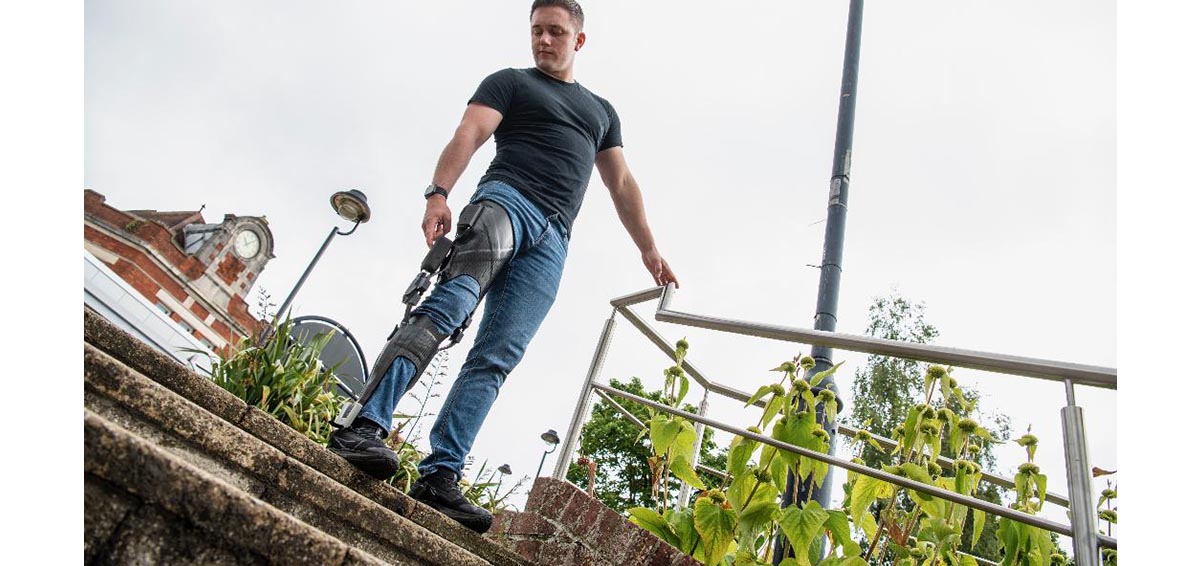
Total hip arthroplasty (THA) is the common treatment for end-stage hip osteoarthritis (OA), improving health-related physical function, pain, and quality of life. Still, physical function may not reach the level of healthy controls, and patients report post-operative pain even years after THA.
Lower Extremity Review
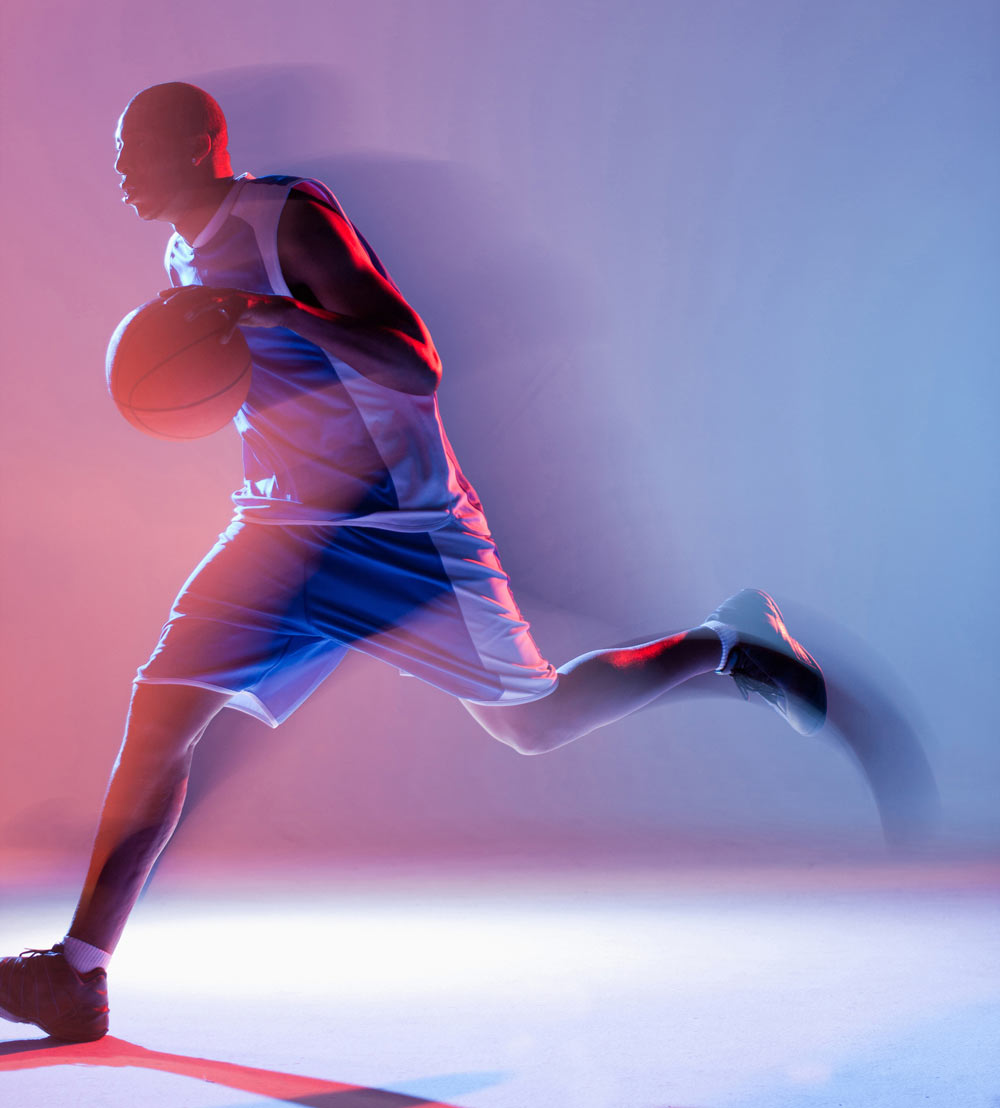
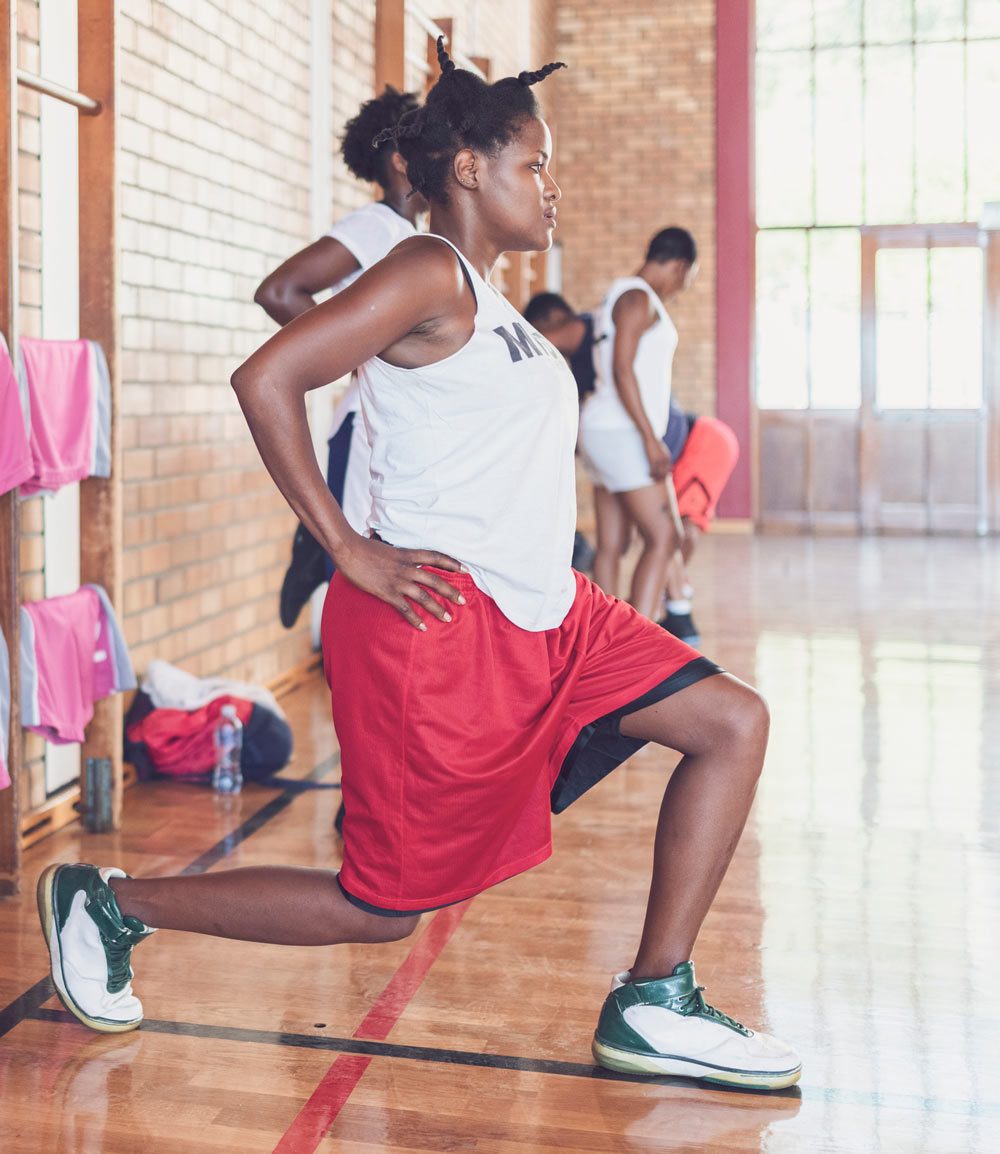
“SHRED” NEUROMUSCULAR TRAINING LOWERS ANKLE, KNEE INJURY RATES 36%
A quasi-experimental study from Calgary, Canada, sought to evaluate the effectiveness of a neuromuscular training warm-up prevention program, Surveillance in High school and community sport to Reduce (SHRed) Injuries Basketball, for reducing all-complaint ankle and knee injuries in…
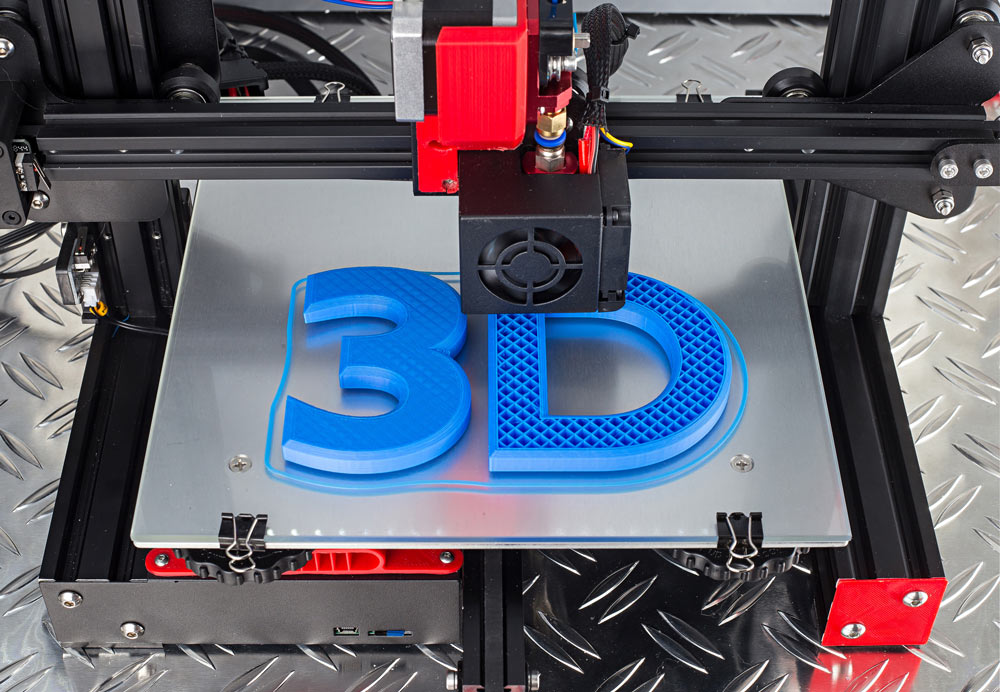
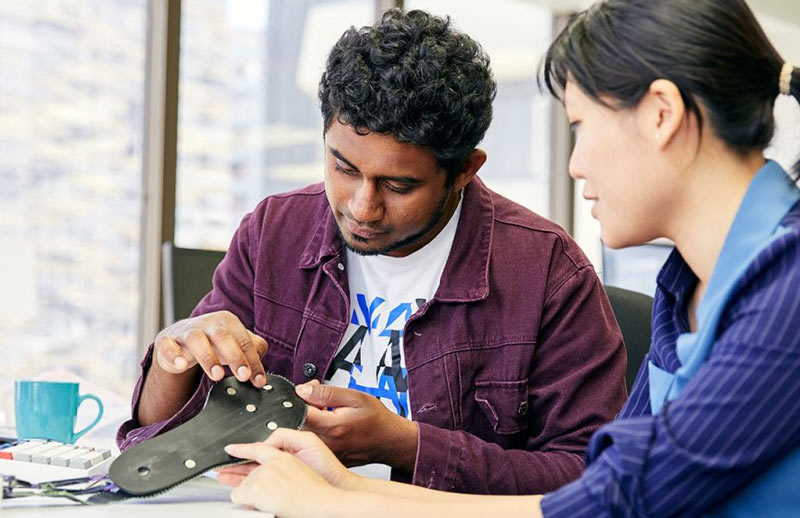
2 STUDIES EXAMINE EFFECTS OF 3D-PRINTED FOOT ORTHOSES
Foot orthoses (FOs) have been prescribed for an array of lower limb issues as their geometrical design and material properties have been shown to influence their impact on foot biomechanics. 3D-printing offers the potential to customize the shape of FOs, as well as add new functionalities with…
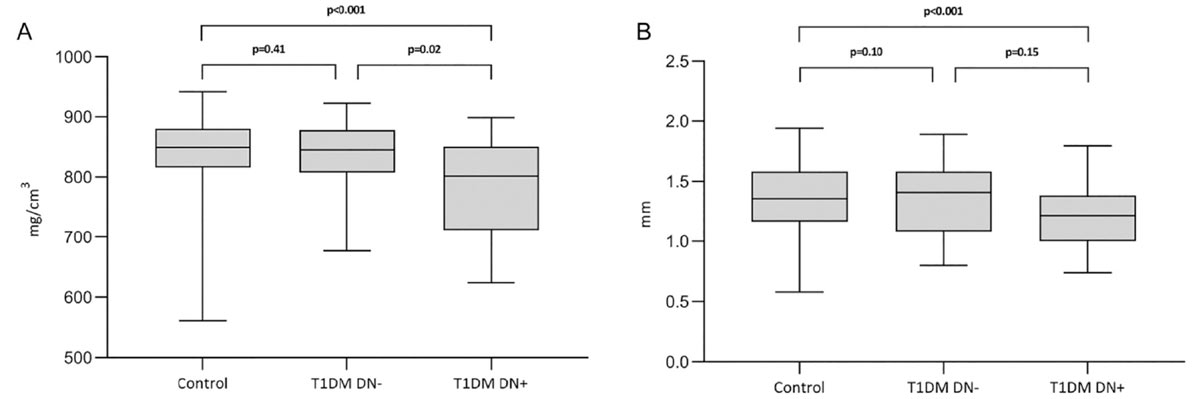
NEUROPATHY IMPACTS BONE MICROARCHITECTURE, STRENGTH IN TYPE 1 DIABETES
Type 1 diabetes mellitus (T1DM) is associated with an increased fracture risk, specifically at nonvertebral sites. The influence of glycemic control and microvascular disease on skeletal health in long-standing T1DM remains largely unknown. The researchers aimed to assess areal bone mineral…
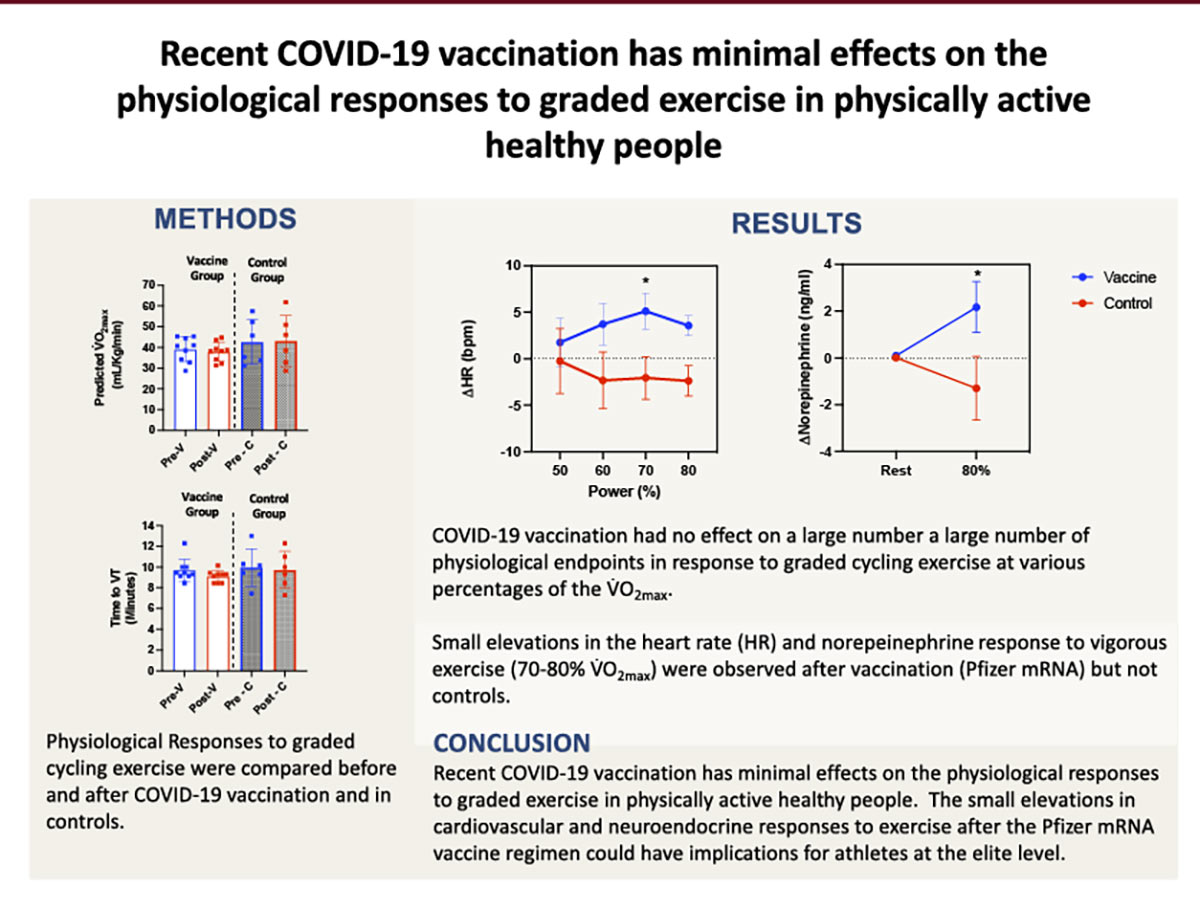
EXERCISE NOT AFFECTED BY COVID-19 VACCINE
Recent COVID-19 vaccination has minimal effects on the physiological responses to graded exercise in physically active healthy people. Physiological Responses to graded cycling exercise were compared before and after COVID-19 vaccination and in controls.
New Resources Use Shared Decision-Making Approach to Help Inform Difficult Decisions About Partial Foot Amputation
Partial foot amputation is a life changing event. Unfortunately, many people seem poorly informed about the amputation surgery itself, likely outcomes, and the risks of complications. As such, the experience often differed from people’s expectations, or they were ill-prepared when complications arose.
By Michael Dillon, PhD*
Pediatric Osteochondritis Dissecans of the Talus
Active children may play through the micro-traumas creating this potentially damaging condition. Keep OCD in mind when children report pain in the ankle, particularly when BMI is high. Juvenile osteochondritis dissecans (OCD) of the talus is a rare condition in the pediatric population…
By Mark J. Mendeszoon, DPM, FACFAS; and Hayley E. Iosue, DPM, AACFAS
lerEXPO Conversations Patient Engagement Vital to Diabetes Prevention
The American Diabetes Association estimates that 34.2 million people—10.5% percent of the U.S. population—have diabetes. And today, like every other day in America, 4,110 people will be diagnosed with diabetes (most will be Type 2) and, sadly, 356 will undergo an amputation. Worldwide, it’s over 500 million people.
By Keith Loria
Hamstring Strain Injury Rehabilitation–Part I*
Impaired performance and reinjury rates are high for this common injury. This narrative review discusses the causes and mechanisms of hamstring strain injury and current clinical concepts related to the rehabilitation process, with the aim of helping practitioners improve athletes’ outcomes.
By Jack T. Hickey, PhD, AEP; David A. Opar, PhD; Leigh J. Weiss, DPT, PT, ATC; and Bryan C. Heiderscheit, PhD, PT
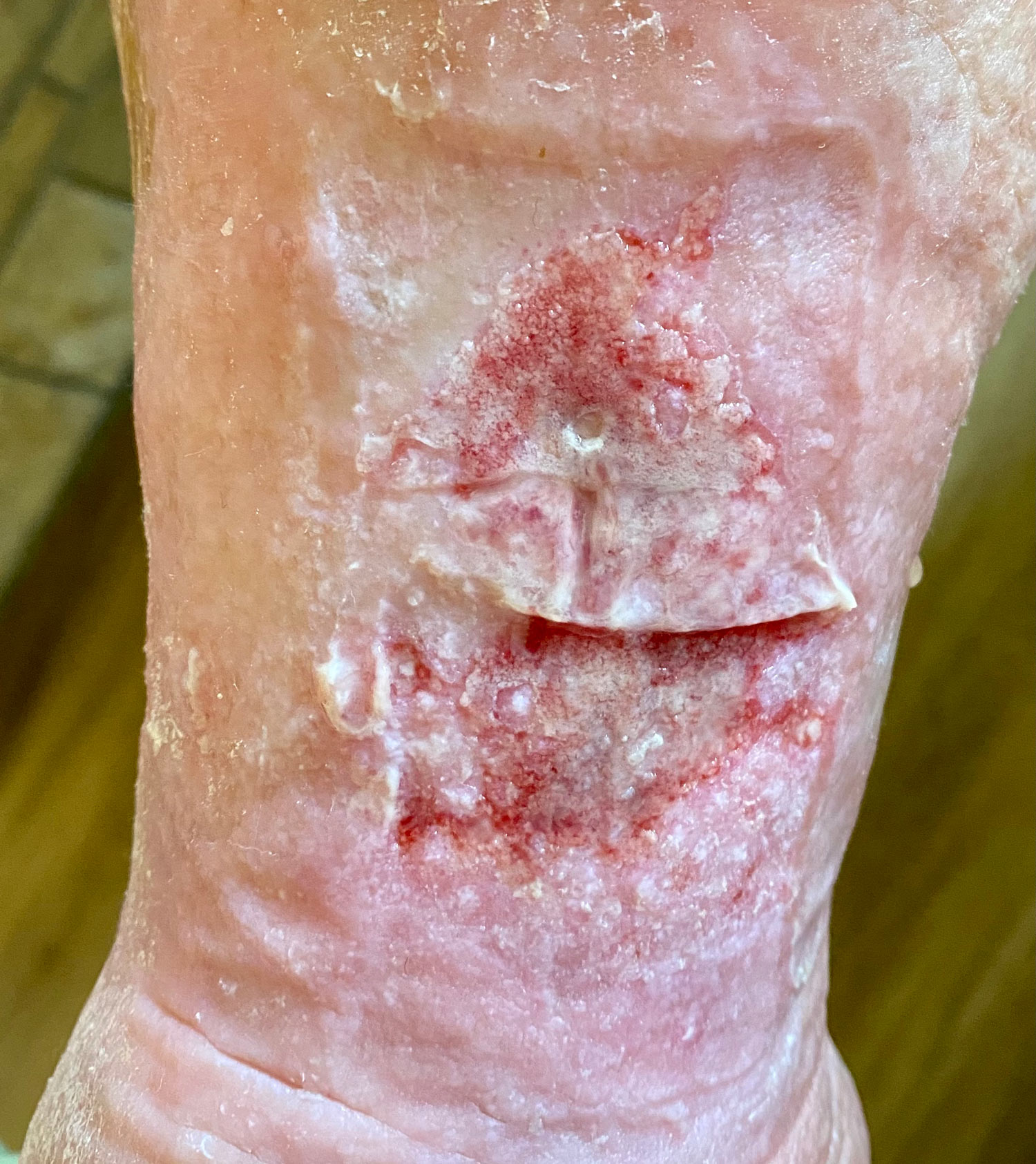
Atypical Wounds: What Every Clinician Should Know
The prevalence of atypical wounds has not been studied extensively, but it has been estimated that 20% of all chronic wounds are due to unusual causes.1,2 The ability to identify and treat chronic wounds caused by uncommon etiologies is an important skill. Unfortunately, it can take years of clinical experience to master.
By Windy Cole, DPM, CWSP
Pharmacological Agent Appears Promising for Charcot–Marie–Tooth Type 1A
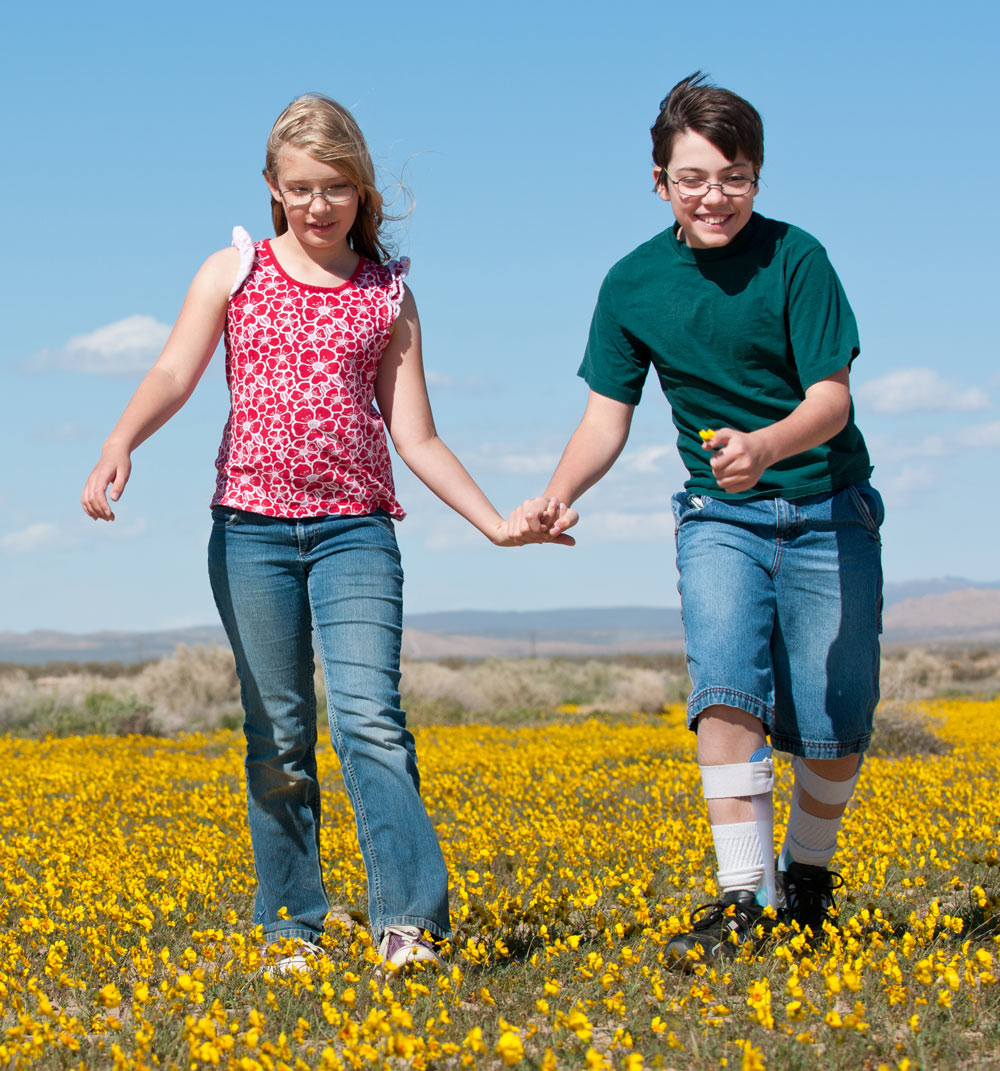
Charcot–Marie–Tooth (CMT) disease is a group of rare, hereditary, chronic, and debilitating diseases of the peripheral nerves that result first in weakening and atrophy of the foot and leg muscles as well as the hand and arm muscles, then in distal sensory loss and, in some patients…
By Shahram Attarian, Peter Young, Thomas H. Brannagan, and Colleagues
Modulation of Exercise-Induced Muscle Damage, Inflammation, and Oxidative Markers by Curcumin Supplementation in a Physically Active Population: A Systematic Review
A dose between 150-1500 mg/day before and during exercise, and up until 72 h post-exercise may improve performance. By reducing the subjective perception of the intensity of muscle pain. Humans appear to be able to tolerate high doses of curcumin without significant side-effects.
HANGER RECOGNIZES 2021 PARTNER AWARD WINNERS
Hanger, Austin, TX, has awarded its 9th annual Partner Awards to 5 companies for their role in providing products and services used to deliver orthotic and prosthetic care and empower patients’ lives, as follows…
PRINTING TECHNIQUE CREATES SKIN EQUIVALENT, HEALS WOUNDS
Researchers from the University of Birmingham and University of Huddersfield, both located in the UK, developed an approach to print skin equivalents. The material may play a future role in facilitating the healing of chronic wounds. The technique is said to be the first of its kind…
CLINICAL OUTCOME MEASURES TOOLKIT AVAILABLE FOR DOWNLOAD
The Clinical Outcome Measures Electronic Toolkit (COMET) for prosthetics and orthotics (P&O) is available for free download. The COMET provides a database of validated outcome measures geared toward prosthesis and orthosis users and practitioners; it simplifies and standardizes the…
Join
Subscribe For Updates
Stay in the loop with the latest news and updates! Subscribe now to receive exclusive content, special offers, and important announcements straight to your inbox. Don’t miss out – join our community today for all the latest updates delivered directly to you.