Plantar pressure measurement is used to identify areas of high mechanical loading in people at risk of diabetic foot ulceration. Fixed thresholds, such as 200 kPa for in-shoe and 600 kPa for barefoot measurements, are commonly reported in the literature and applied in clinical decision-making in diabetic foot care.
Lower Extremity Review
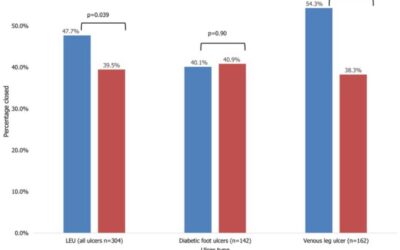
Comparison of Single Use and Negative Pressure Wound Therapy Devices in LEUs
Annually, 49 million people worldwide are impacted by lower extremity ulcers (LEUs). Diabetic foot ulcers (DFUs) and venous leg ulcers (VLUs) are the most common LEUs. Negative pressure wound therapy (NPWT) has emerged as an effective intervention for complex wounds, offering numerous favorable wound healing outcomes.
Myofascial Techniques ROM and Flat Foot Efficiency in Adults
Symptomatic flat foot is quite a common pathology in adults. Myofascial release is 1 of the physiotherapeutic methods that are currently used in the treatment of musculoskeletal diseases. This study aimed to assess the impact of myofascial release on the range of motion and functional efficiency of the flat foot in adults.
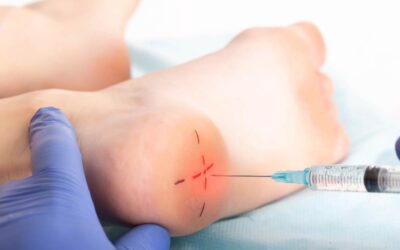
Botulinum Toxin Type A in the Management of Plantar Fasciitis
Plantar fasciitis is a prevalent cause of heel pain in adults, particularly among the middle-aged population. It is characterized by microtrauma that exceeds the regenerative capacity of the plantar fascia. Although most cases respond well to conservative treatment, such as stretching exercises, orthotic use, and…
Weightlifting-Associated Lower Extremity Injuries
Weightlifting continues to increase in popularity due to its numerous benefits for physical health, performance enhancement, and age-related functional preservation. Although previous studies have investigated injury patterns in strength athletes, few have examined lower extremity injuries among the general population.
A New Innovative and Transformational Approach to Treatment of Toenail Onychomycosis
Toenail onychomycosis has long been difficult to treat because many factors affect the treatment outcome: aging patients, long-standing infection, slow growth of thickened nails, co-morbidities, limitations of the treatment (eg, treatment length, side effects, toxicity, physical limitations of the patient).
By Tracey C. Vlahovic, DPM, and Lewis H. Freed, DPM
Youth Sport-Related Knee Joint Injuries & Thigh Muscle Strength
Knee extensor and flexor muscle (ie, thigh) weaknesses are well-established consequences of anterior cruciate ligament (ACL) tears treated with ACL reconstruction (ACLR). To learn more, Canadian researchers assessed bilateral knee extensor and flexor concentric isokinetic peak torque at 90° per second semiannually in 186 youth (106 injured, 80 controls) for 2 years.
Yoga Practice as a Potential Sarcopenia Prevention
Sarcopenia is characterized by the progressive loss of skeletal muscle mass and poses a significant health challenge for older adults by increasing the risk of disability and decreasing quality of life. With the increasing number of older adults, sarcopenia has the potential to become a major public health burden across the globe. Yoga is considered a low-risk and beneficial exercise for older adults.
MS Relapse Prevention: Baby Let the Sun Shine In
Getting at least 30 minutes of daily summer sun in the first year of life may mean a lower relapse risk for children who are diagnosed with multiple sclerosis (MS) later, according to a study published in Neurology Neuroimmunology & Neuroinflammation. The study also found if a child’s biological mother had at least 30 minutes of daily sun during the second trimester of pregnancy, the child had a lower risk of MS relapses.
Timing of Resistance Exercise and Cardiometabolic Health
In this secondary analysis, there was no difference between morning (AM) and afternoon/early evening (PM) exercisers in blood glucose, insulin, body composition, or muscular strength following 12 wk of supervised exercise. However, examining within-group changes, glucose area under the curve (AUC) was significantly reduced in PM exercisers, but not in AM exercisers.
Which Is Better…
Reductions in balance performance, hip strength, and ankle function along with increases in disablement and injury-related fear are among the many motor-behavioral and sensory-perceptual impairments associated with chronic ankle instability (CAI). Both balance training (BAL) and hip strengthening (HIP) can improve balance, but how do the 2 modalities compare?
LER EXPO Conversations: Navigating the Complexities of Hammer Toe Surgery
Hammer toe deformities are common foot pathologies and lead to a high proportion of podiatry office visits. This talk provides a comprehensive perspective on the challenges and strategies associated with recurrent digital deformities and metatarsophalangeal joint (MPJ) pain following hammer toe surgeries.
An overview of the talk by Adrienne M. Estes, DPM, MS, FACFAS, DABPM, FAPWHc
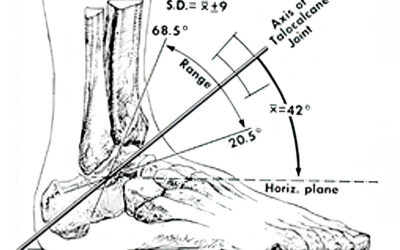
CAGA 101: The 12 Dirty Truths Of Foot Mechanics
In the introductory article on the dirty truth of biomechanics, we presented a playbook laying out 12 particularly concerning issues as they relate to human weight-bearing and locomotion. In this installment, we will delve into dirty truth number one, problematic anatomy, laying out the “whats” and the “whys”, and how computer-aided gait analysis (CAGA) can make this dirty truth a bit cleaner and more digestible.
By Jay Segel, DPM; Sally Crawford, MS
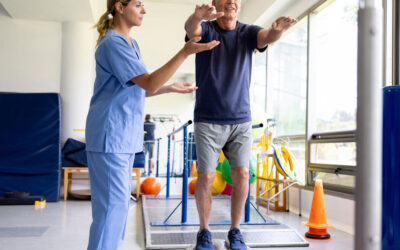
Unipedal Stance Reliably Measures Neuromuscular Aging
Adequate muscle strength, efficient gait, and good balance, which decline with age, are crucial contributors to independence and well-being. Aging is often associated with disability and multiple health concerns. To address these challenges, effective interventions are essential. This study investigated potential age-related declines in gait, balance, and…
By Asghar Rezaei, Sandesh G. Bhat, Chih-Hsiu Cheng, Robert J. Pignolo, Lichun Lu, and Kenton R. Kaufman
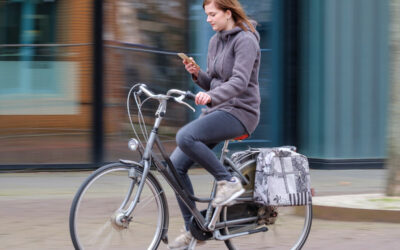
Cell Phone-Related Lower Extremity Injuries While Using Non-Motor Vehicles
A portion of people use or carry cell phones while using bicycles and other non-motor vehicles (eg, scooters, skateboards, skates). This can increase the risk of injury. This study described cell phone-related lower extremity injuries while using non-motor vehicles that were treated at United States (US) hospital emergency departments (EDs).
By Mathias B. Forrester, BS
Join
Subscribe For Updates
Stay in the loop with the latest news and updates! Subscribe now to receive exclusive content, special offers, and important announcements straight to your inbox. Don’t miss out – join our community today for all the latest updates delivered directly to you.