As evidence accumulates in support of functional movement testing for predicting injury risk, researchers are taking a closer look at how functional screening can be applied to specific athlete populations.
By Jordana Bieze Foster

Lower Extremity Review
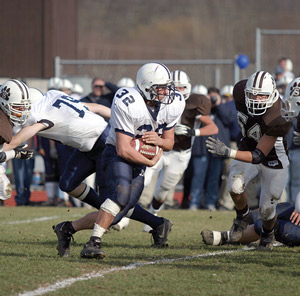
As evidence accumulates in support of functional movement testing for predicting injury risk, researchers are taking a closer look at how functional screening can be applied to specific athlete populations.
By Jordana Bieze Foster
Hip flexor tightness is associated with reduced gluteus maximus activation during an overhead squat, according to findings from the University of North Carolina at Chapel Hill (UNC) that are consistent with…
By Jordana Bieze Foster
Four weeks of hip external rotator and abductor strengthening significantly improves postural control in patients with functional ankle instability (FAI) and may be useful for preventing recurrent instability…
By Jordana Bieze Foster
Windlass mechanism impairment is evident in patients with diabetic neuropathy and could contribute to increased plantar pressures and ulceration risk, according to research from the …
By P.K. Daniel
Self-reported information about foot health from patients with type 2 diabetes, particularly those with peripheral neuropathy, is not reliable, according to research from the University of Western Australia in Perth.
By P.K. Daniel
Patients with diabetes often struggle with depression-like feelings, but research suggests those symptoms may not need to be treated as a comorbid psychiatric condition.
By P.K. Daniel

In the five years since the launch of Lower Extremity Review, some things about lower extremity healthcare haven’t changed much. Diabetes is still an epidemic. Stem cells are still the next big…
Jordana Bieze Foster, Editor

I have been in the lower extremity publishing space for 25 years, and one thing I have realized is that listening is the key to learning.
Richard Dubin, Publisher

Once thought by some to be the next big thing in running, minimalist footwear has been scrutinized in recent years by researchers and class-action plaintiffs who claim the shoes do not provide the same benefits as barefoot running…
By Cary Groner
Foot orthoses made with advanced design and manufacturing technologies aren’t just technically impressive—they’re also clinically relevant, according to the results of two studies presented in June by…
By Jordana Bieze Foster

Efficient, low-cost, field-ready functional movement tests may be useful in preparticipation physicals to identify and provide preventive treatment for individuals with an elevated risk of injury, as well as aiding return-to-sport…
By Kathryn Schwartzkopf-Phifer, PT, DPT, OCS, CSCS, and Kyle Kiesel, PT, PhD, ATC

A growing body of research suggests that statins may help improve not just cardiovascular outcomes but also those associated with lower extremity conditions such as peripheral arterial disease and knee…
By Larry Hand

Conventional wisdom says dorsal straps for ankle foot orthoses should be positioned at a certain angle to resist heel rise. Now preliminary research from Georgia Tech is calling that practice into question…
By P.K. Daniel
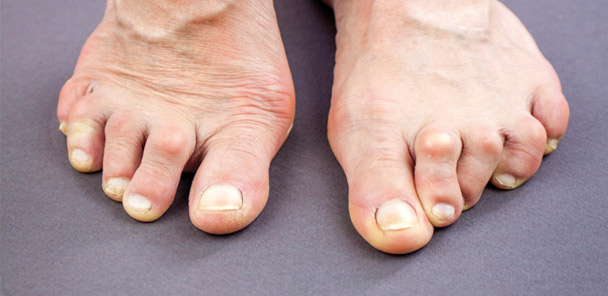
Research has identified ankle-brachial index, loss of sensation, and deformity as predictors of foot ulceration in patients with rheumatoid arthritis, and also suggests that ulceration influences…
By Jill Firth, PhD, BSc (Hons), and Heidi J Siddle, PhD, MSc, BSc (Hons)

Silipos’ Gel Pediatric Suspension Sleeve is designed to work with pediatric below-knee sockets as well as pediatric and adult upper extremity sockets. The sleeve is fully lined with medical grade mineral oil gel to maximize comfort and skin protection. The gel is...
Join
Stay in the loop with the latest news and updates! Subscribe now to receive exclusive content, special offers, and important announcements straight to your inbox. Don’t miss out – join our community today for all the latest updates delivered directly to you.