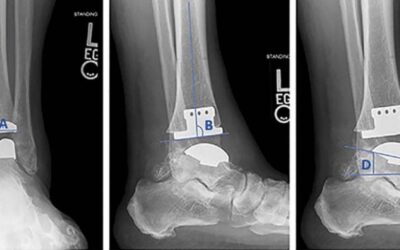
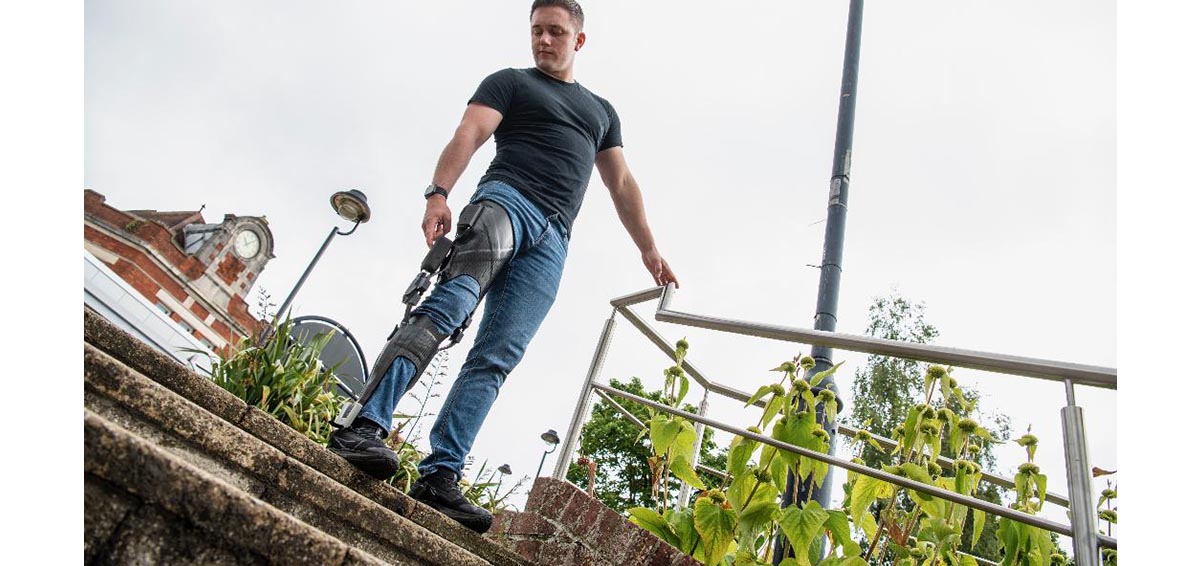
A team of researchers from China, Singapore, and New Zealand built a computer model to examine the role of ankle motion in anterior cruciate ligament (ACL) injury as related to single leg landing. Single-leg landing is an essential skill in sports such as basketball, soccer, and volleyball.

Lower Extremity Review
Texting While Walking Puts Pedestrians in Danger: UBC study
New University of British Columbia research analyzing actual pedestrian interactions with vehicles on busy streets concludes that distracted pedestrians face higher safety risks compared with undistracted road users. Previous studies have speculated that distracted pedestrians, such as those texting and talking on the phone, are at higher risk of being hit by a car due to…
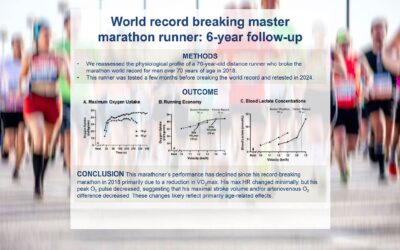
6-Year Follow-up of Aging Marathon Runner
This marathoner’s performance has declined since his record-breaking marathon in 2018 primarily due to a reduction in VO,max. His max HR changed minimally, but his peak O2 pulse decreased, suggesting that his maximal stroke volume and/or arteriovenous 02 difference decreased. These changes likely reflect primarily age-related effects.
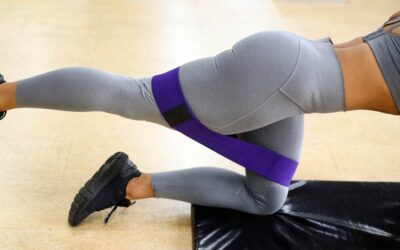
Flat foot Update #1: Strengthening Hip Abduction in Women
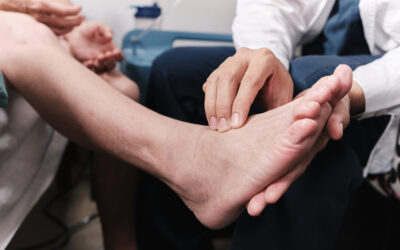
Recent research has found that strengthening hip joint stability can considerably affect foot mechanics. The purpose of this study was to determine the effect of short foot exercises (SFEs), combined exercises (CEs), and SFEs with isometric hip abduction (IHA) on navicular drop (ND), static parameters (SP), and postural sway in women with flat foot (FF).
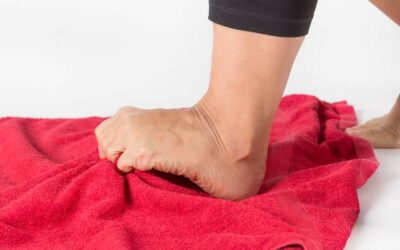
Flat foot Update #2: Focus on Intrinsic Foot Muscles First in Boys
A small study of 25 boys (age 10-12y) with flexible flat foot (FF) sought to understand the impact of intrinsic- versus extrinsic-first corrective exercises on on muscle morphometry and navicular drop (ND). The boys underwent a 12-week exercise program that shifted focus midway. The results were significant. Leading with intrinsic exercises led to sustained improvement throughout the…
Metal Hypersensitivity and Joint Implants
Metal hypersensitivity (MH) is a controversial topic with limited evidence. It is more commonly observed in failed arthroplasties. The most common metal involved in MH is nickel. Orthopaedic implants contain nickel because of its ability to provide increased strength and durability. MH is a type IV hypersensitive reaction.
TKA Outcomes Among Self-Reported Nickel Allergy Patients
In a study that looked at the data on more than 18,000 patients, researchers found that patients who have a self-reported nickel allergy can be advised that, on average, their clinical outcome scores will improve similarly to patients who do not have a self-reported nickel allergy, and revision rates will be similar.
Salto Talaris Fixed-Bearing Total Ankle Arthroplasty: 10-Yr Results
In this longer-term follow-up of a limited cohort (48 patients/50 ankles, average age at index surgery: 64 years), Salto Talaris fixed-bearing total ankle arthroplasty demonstrated good long-term survival (Kaplan-Meier estimated survivorship was 84.2%) with relatively low rates of revision or other complications. Patient-reported outcome and range of motion measures revealed good stability.
Silastic Joint Arthroplasty for End-Stage Hallux Rigidus
Osteoarthritis of the first metatarsophalangeal joint (MTPJ) is a common forefoot problem affecting patients in later years. It leads to pain, gait problems, and difficulty with activities of daily living. Treatment is controversial and varies according to patient symptoms and surgeon preference. Arthrodesis remains the gold standard but it has its own complications.
Increasing Stride Angle as Injury Prevention?
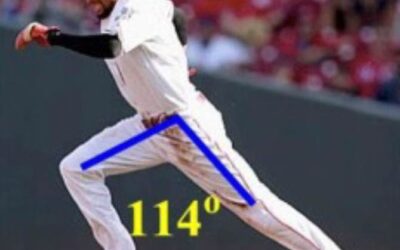
The stride angle is a more useful metric than stride length. For example, the stride angle is what creates stride length. The stride angle is the maximum opening between the upper legs while running or pitching. Our 6-month research project found that for every degree a runner increases his stride angle, he can increase the stride length 2%. This runner (Figure 1) increased his stride length 60%.
By Bob Prichard
2025 Is ALREADY Off to a Great Start!
First off, I am pleased to announce the appointment of Bradley P. Abicht, DPM, FACFAS, as the new Medical Director of lerEXPO. With extensive experience in podiatric foot and ankle surgery, Brad brings a wealth of expertise and a patient-centered approach to this arm of the Lower Extremity Review organization.
By Rich Dubin, Publisher
Cell Phone-Related Lower Extremity Injuries While In or On a Motor Vehicle
Background: In 2023, 97% of United States (US) adults reported that they owned a cell phone. Use of cell phones while driving may result in crashes and injuries. This study characterized cell phone-related lower extremity injuries while in or on a motor vehicle that were treated at US hospital emergency departments (EDs).
By Mathias B. Forrester, BS
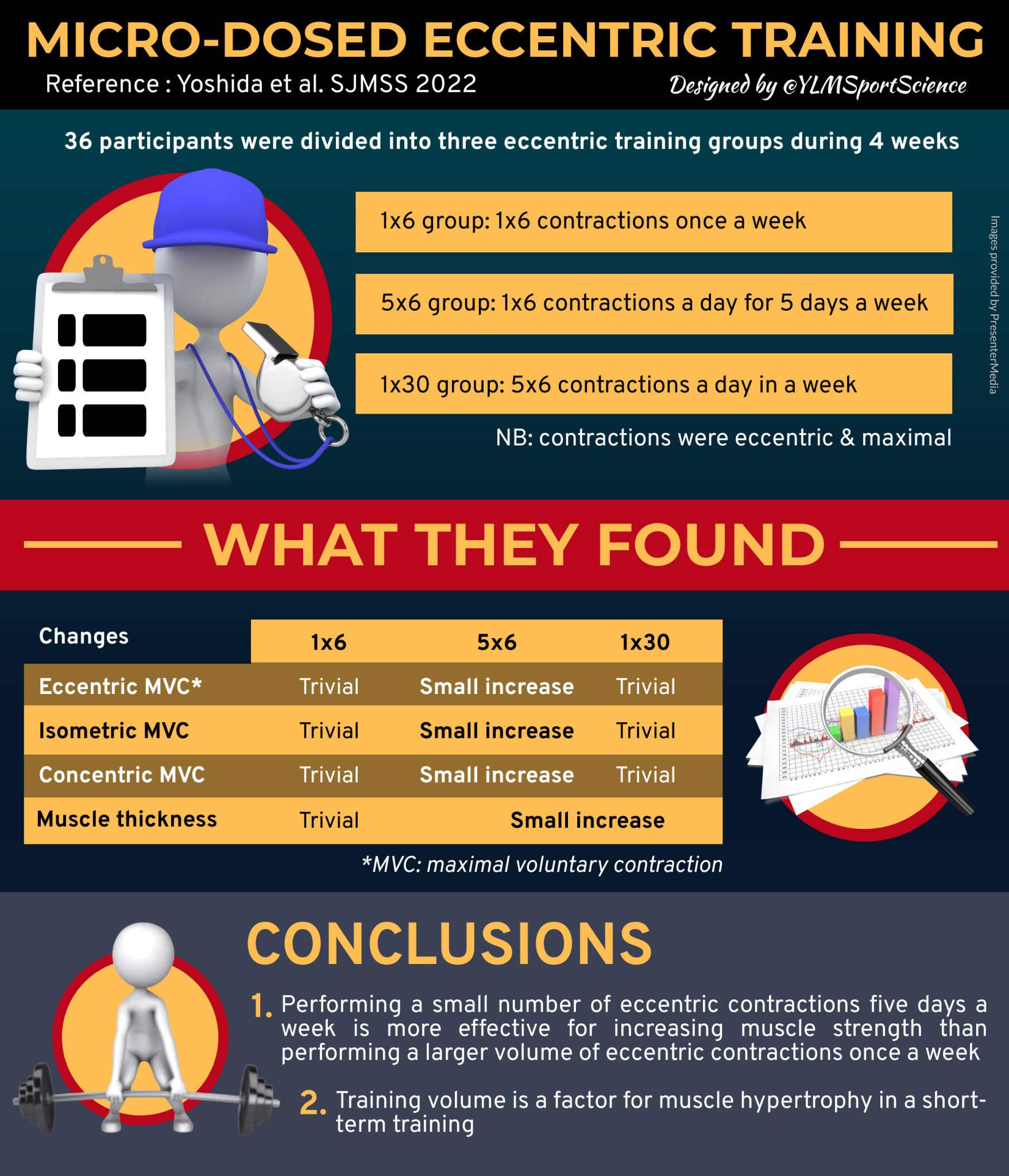
Greater effects by performing a small number of eccentric contractions daily than a larger number of them once a week
Our previous study found that one maximal voluntary eccentric contraction (MVC-ECC) performed daily for 5 days a week for 4 weeks increased MVC-ECC, isometric (MVC-ISO), and concentric contraction (MVC-CON) torque of the elbow flexors more than 10%. The present study investigated the effects of six maximal voluntary eccentric contractions on the…
Frequency of Concussions Increases US High School Athletes’ Reporting of Suicidal Attempts
Utilizing nationally representative data from the Youth Behavior Risk Surveillance System (YBRSS), a new study1 examined the association between self-reported concussion frequency and non-fatal suicidal behaviors among U.S. high school students. The study appeared in a special mental health issue of the…
Concussions, More Than Meets the Eye: NATA Study Finds Increasing Risk of Suicide Ideation With Second Concussion
In 2007, one study estimated there were 300,000 sports-related traumatic brain injuries in high school and collegiate athletes. Sports brain injuries and concussions were second only to motor vehicle accidents amongst people aged 15-24.1 Fast forward to a 2018 study using data from the Youth Risk Behaviors Survey where…
By Mark Mendeszoon, DPM
Join
Subscribe For Updates
Stay in the loop with the latest news and updates! Subscribe now to receive exclusive content, special offers, and important announcements straight to your inbox. Don’t miss out – join our community today for all the latest updates delivered directly to you.