Performance Graphite Orthotic

Performance Graphite Orthotic

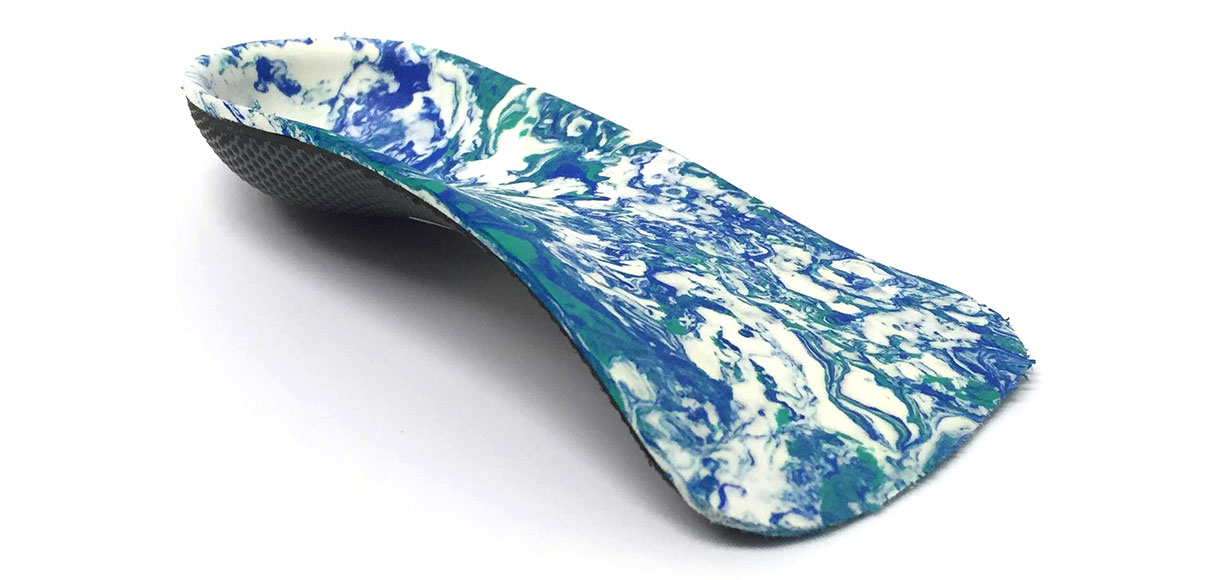
Foot Management’s latest technology allows engineered nylon to be blended with carbon graphite to produce Performance Graphite. This blend creates a lightweight shell that offers functional control with less bulk. High tensile strength and flexible modulus means Performance Graphite does not fatigue, creep, or…
read more
JMS Plastics Fiberglass Casting Tape

JMS Plastics Fiberglass Casting Tape

JMS Plastics Supply, Inc., introduces J-Cast, a new orthopedic fiberglass casting tape that is simple to mold and comfortable to wear. J-Cast is designed to offer excellent ventilation and less irritation than similar existing products and is engineered to be easy to apply and to provide superior adhesion and outstanding…

read more
Swede-O Inner Lok 8 Ankle Brace

Swede-O Inner Lok 8 Ankle Brace

The Swede-O Inner Lok 8 ankle brace features a patented internal figure-eight strapping system, which assures proper strap placement and simulates professional taping. The top strap covers the laces and locks the figure-eight straps in position and offers a quick-release feature that allows the user to easily remove the…

read more
Cascade Dafo Fast Fit Bug

Cascade Dafo Fast Fit Bug

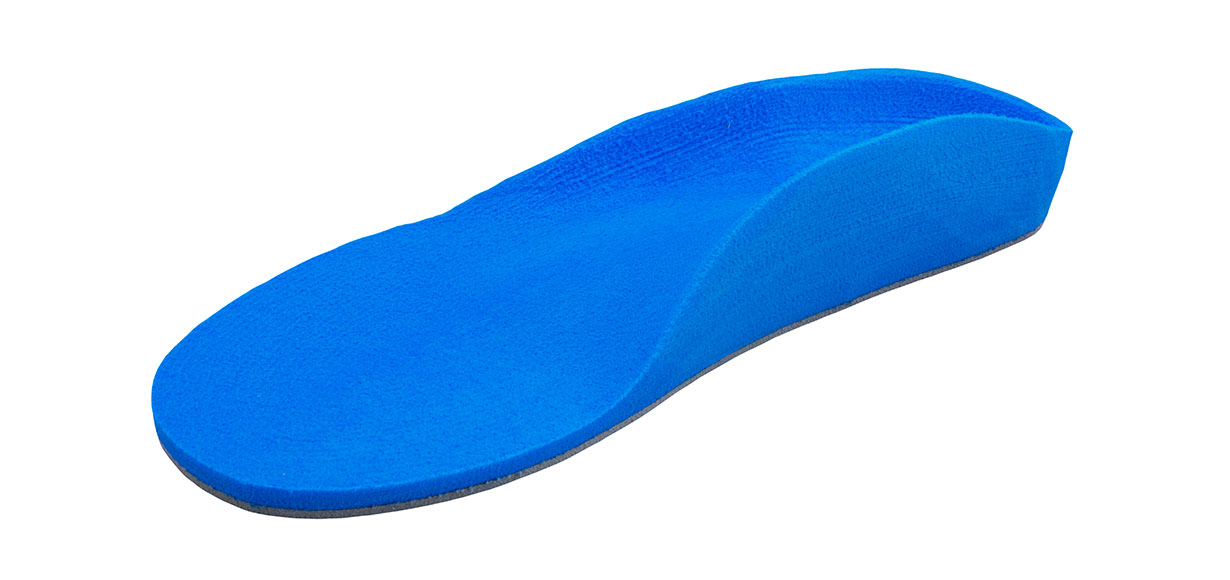
Cascade Dafo, Inc., creator of the original DAFO (Dynamic Ankle Foot Orthosis), has added the Fast Fit Bug to its line of prefabricated shoe inserts. This low-profile shoe insert is designed to control mild to moderate pronation. Partnered with a supportive shoe, the Bug promotes a stable gait by raising the medial arch and…

read more
Fracture Boot

Fracture Boot

Elite Orthopaedics, Inc., offers the Pro Select Walker Series fracture boot, which is available in Air and Non-Air configurations. The Pro Select is ultra-lightweight, registering 10-15% lighter than comparable fracture boots, and features an ultra-low heel height that helps prevent external hip rotation while…

read more
K-Tape Could Be Helpful in Treatment of Dancers

K-Tape Could Be Helpful in Treatment of Dancers

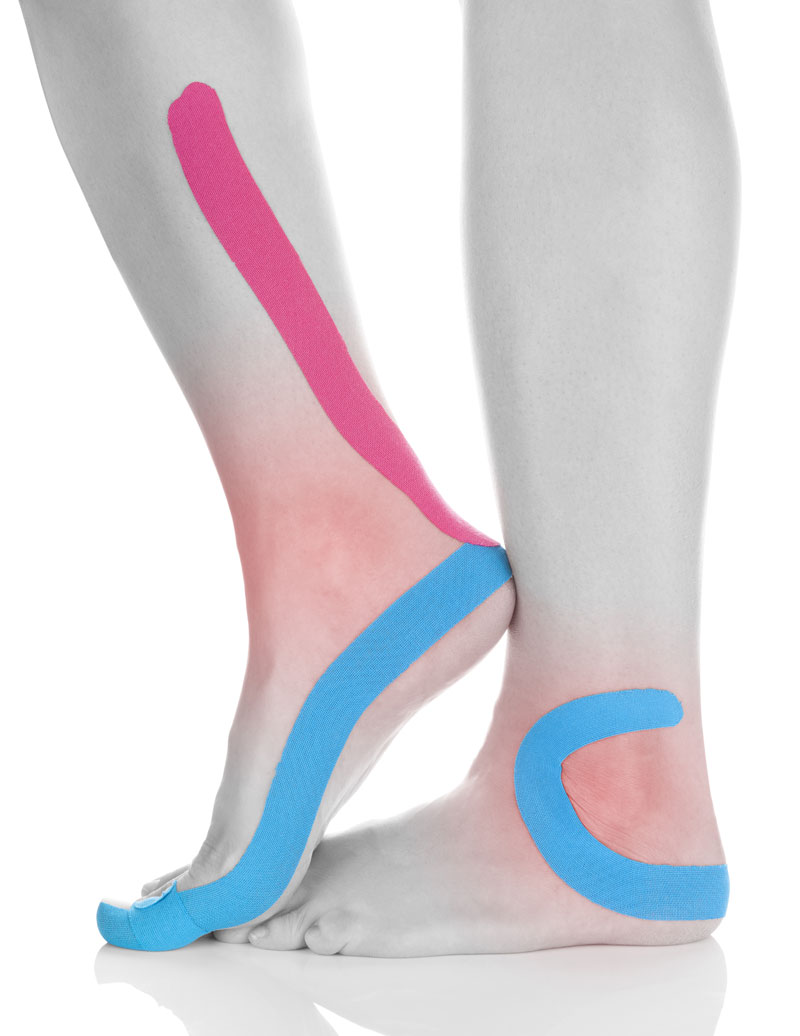
Nearly 70% of university level ballet and modern dancers report ankle sprains, and 75% have been identified as having chronic ankle instability (CAI). Yet, unlike collegiate football or basketball players, half do not receive medical care for these injuries. Why not? White ankle tape, braces, and boots do not help a dancer improve live performance.

read more
Resistance Bands, BAPS, or Combo—All Work Well in CAI Rehab

Resistance Bands, BAPS, or Combo—All Work Well in CAI Rehab

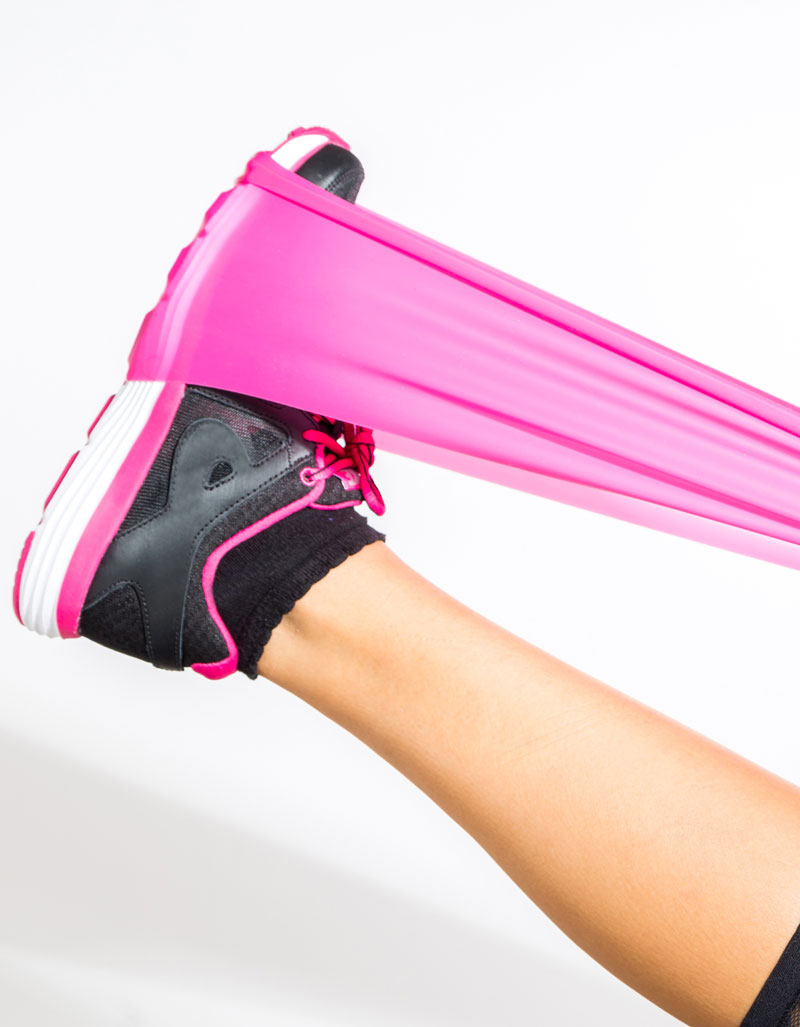
Three 10- to 20-minute sessions per week for 4 weeks of resistance bands, BAPS board, or a combination of the two, worked equally well as rehabilitative treatment for chronic ankle instability (CAI) in high school and adolescent athletes, according to the findings presented in the poster, A Randomized Controlled Trial Investigating the Effects of a 4-Week Ankle Rehabilitation Program on…

read more
Ankle ROM in CAI

Ankle ROM in CAI

As part of a larger investigation and evolution of rehabilitation paradigms for those with chronic ankle instability (CAI), Cameron J. Powden, PhD, LAT, ATC, assistant professor, Department of Applied Medicine and Rehabilitation at Indiana State University, led a research team with colleagues from the…

read more
Look at Reactive Balance After Sprain

Look at Reactive Balance After Sprain

To better understand how ankle sprains negatively affect balance, Kyung-Min Kim, Ph.D., ATC, assistant professor, University of Miami Department of Kinesiology and Sport Sciences, and South Korean colleagues looked at the effects of acute lateral ankle sprain (ALAS) on reactive balance. Their findings were presented in the poster, Reactive Balance Following Acute Lateral Ankle Sprain.5

read more
Preventing Age-Related Muscle Loss

Preventing Age-Related Muscle Loss

Shortly after age 50, the rate at which a person loses muscle mass begins to accelerate.1 Figure 1 is a graphical representation of the average number of quadriceps muscle fibers present in adults aged 18 to 82.2 Looking at the center of the graph, it is clear that the number of muscle fibers remains stable until around age 50.

By Tom Michaud, DC

read more

Join

Subscribe For Updates

Stay in the loop with the latest news and updates! Subscribe now to receive exclusive content, special offers, and important announcements straight to your inbox. Don’t miss out – join our community today for all the latest updates delivered directly to you.