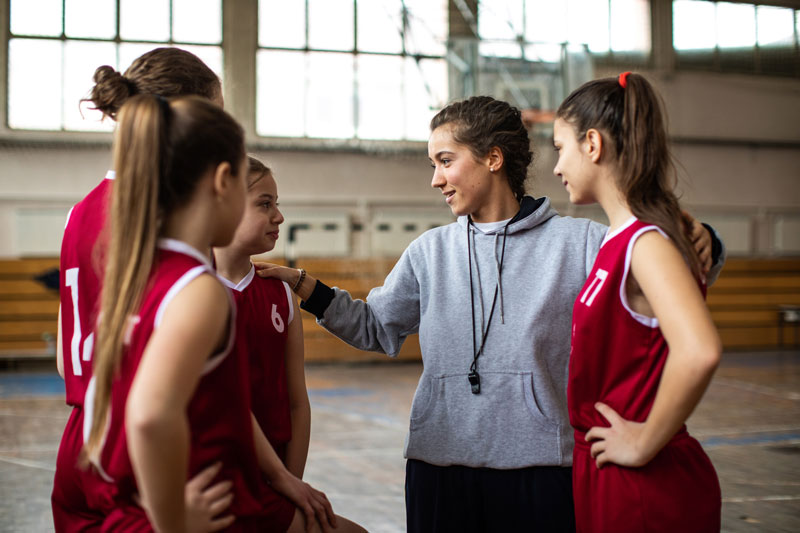
For decades, numerous research studies have shown that physical activity and sport play a significant role in positively shaping children’s health and emotional well-being. But, as we learn more about biology and psychology, it becomes clear that gender matters in ways not conceived of when John F. Kennedy became President in 1961 and re-energized the President’s Council on Youth Fitness, predecessor of the more recent President’s Council on Physical Fitness and Sport.
Lower Extremity Review
An Introduction to Physical Literacy
Physical literacy is defined as ‘the motivation, confidence, physical competence, knowledge and understanding to value and take responsibility for engagement in physical activities for life.’ The notion of ‘literacy’ within the concept of ‘physical literacy’ arises from the importance of our embodied interaction with the world.
By E.J. Durden-Myers and N. R. Green
We Are The Heart of National Biomechanics Day
The International and American Societies of Biomechanics were founded in 1973 and 1977, respectively. Coincident with the expansion of Biomechanics during the following decades, fitness and health have moved out from under the realm of medicine and are rapidly overtaking the realm of the personal—the personal lifestyle to be more exact (think yoga, yogurt, and yoga pants).
By Paul DeVita, PhD
3 Can Be Better Than 6 When It Comes to Weber B Fractures
In medical school, we were taught that Weber B ankle fractures required the 6-week cast immobilization protocol. But for many of us, that protocol has felt excessive due to concerns of increased ankle stiffness, decreased ankle strength, and the possibility of a thrombotic event. However, the thought of possible suboptimal healing of the fracture [malunion or nonunion] with less than 6 weeks of immobilization or use of less rigid forms of immobilization provided anxiety to many of us treating physicians.
By Jeffrey R. Baker, DPM, FACFAS
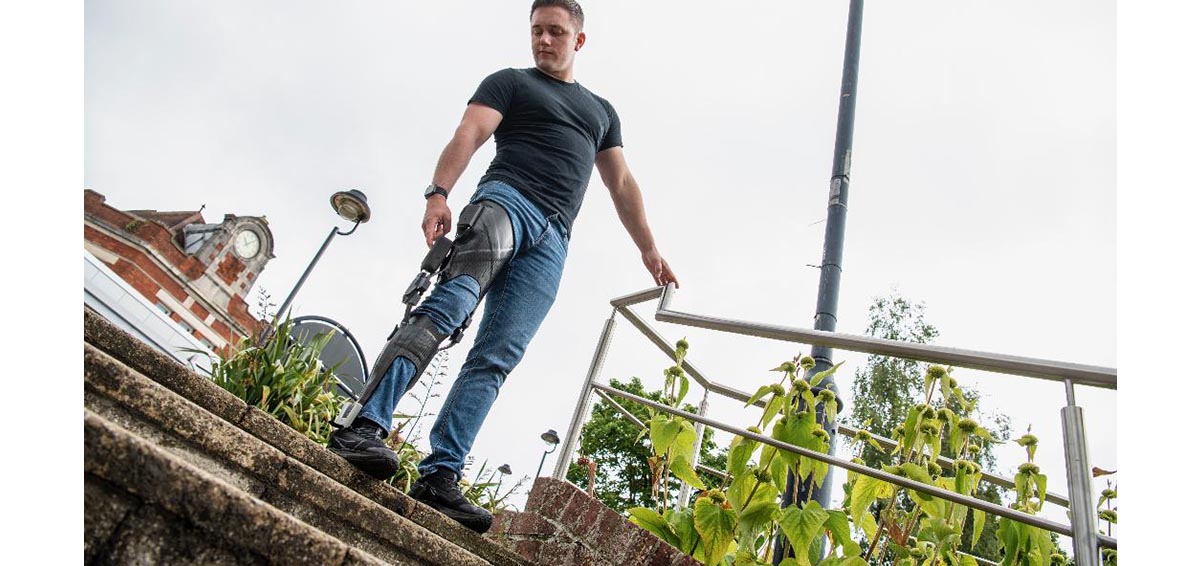
Orthotic and Prosthetic Innovation: Tempering Enthusiasm with Caution
My perspective comes from 2 roles: Professional Standards Officer for the Australian Orthotic Prosthetic Association (AOPA) and international lecturer with Human Study e.V., a non-profit organization that delivers and establishes prosthetic and orthotic education in regions and countries where formal and internationally recognized education in this field of medical practice does not exist.
By Louise Puli, BPO, MPH
Patellofemoral Pain: An Ongoing Orthopedic Enigma
Patellofemoral pain (PFP), also known as anterior knee pain, is one of the most common but complex knee problems to manage. PFP affects approximately 23% of the general population and 29% of adolescents. Moreover, females are twice as likely to develop PFP as males.
By Lori A Bolgla, PT, PhD, MAcc, ATC, and Michelle C Boling, PhD, LAT, ATC
The DFU Dilemma: Is the Total Contact Cast a True “Gold Standard”?
In March 2017, McGuire and Sebag wrote: “Early diagnosis and intervention for diabetic foot wounds is essential for the prevention of complications associated with these ulcers. We are all familiar with the term ‘the golden hour’ with respect to the first 60 minutes after the onset of a stroke or cardiac arrest.
By Harry L. Penny, DPM, DABPM, FAPWHc
Falls Prevention among Older Adults: It Takes a Village
When most people think about September and the start of fall, they think of the beginning of the school year, getting back into routine after the summer, and cool crisp days. At the National Council of Aging (NCOA) when we think about fall, we think about and plan for National Falls Prevention Awareness Day, which is observed around the country on the first day of fall.
By Kathleen Cameron, MPH
Guest Editorial: Youth Overuse Injuries and What Clinicians, Parents and Coaches Can Do
It’s one of the key issues in youth sports today: an epidemic of overuse and repetitive motion injuries. It affects both lower and upper extremities, across the board, in all sports at all ages. As the world of youth sports has grown dramatically, so have these injury problems.
By Robert A. Weil, DPM
Footniche: A new paradigm for thinking about foot care
Definitions are important because words can make the difference between understanding and misunderstanding. I prefer a simple definition of footwear: that which covers the foot. This definition does not say it is a top covering of the foot—just a covering of the foot. In the definition of something as fundamental as footwear, I believe that less is more.
By Joseph M. Mozena
In a perfect world, no one would need health insurance
In my podiatric practice, I have found that health insurance can impede patient care, by adding layers of complication and burden to all involved, particularly the patient and the provider. Private-sector insurance companies have profits to make, buildings to build, shareholders to satisfy, and overhead costs to pay. Government-run plans have costs, exclusionary policies, bureaucratic oversight, and a changing landscape as administrations change.
By Jay Segel, DPM
When considering amputation, consider the whole patient
It is likely that someone close to you has faced a major health decision. After the choices and medical advice have been considered, a very personal factor came into play, and the words were spoken: “I don’t want to be a burden.”
Navigating disruption in the foot orthotics landscape—Are you ready?
For more than 50 years the custom foot orthotic industry has pretty much stayed the same. Of course, change has occurred, such as the introduction and widespread adoption of digital casting and CAD/CAM production vs hand-poured plaster.
Strengthening the Interprofessional Approach to Fall Prevention
Health care professionals who work with older adults are all too familiar with the devastating sequelae of falls, including injury and fear of falling that can lead to activity restriction and further risk of falls. Most worrisome is that death rates from falls have doubled between 2000 and 2014, which highlights the importance of sustaining existing fall prevention efforts, and of building new ones.
Out on a limb: Low tech, high value
The use of advanced technologies to provide feedback to patients during rehabilitation is all the rage in lower extremity healthcare. But, as exciting as these new modalities can be, it’s important to remember that low-tech feedback strategies can make hi-tech data even more clinically useful.
Jordana Bieze Foster, Editor
Join
Subscribe For Updates
Stay in the loop with the latest news and updates! Subscribe now to receive exclusive content, special offers, and important announcements straight to your inbox. Don’t miss out – join our community today for all the latest updates delivered directly to you.