Effects of balance training in individuals with CAI

Effects of balance training in individuals with CAI

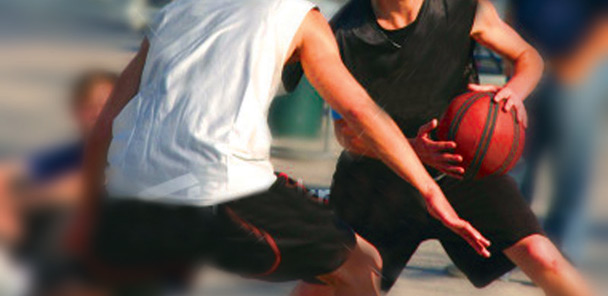
Research supports the use of balance training to improve physiological and clinical outcome measures in patients with chronic ankle instability. Now researchers and clinicians must use that knowledge to optimize the incorporation of balance training into CAI rehabilitation protocols.

By JoEllen M. Sefton, PhD, ATC, CMT, and Kenneth E. Games, MEd, ATC

read more
Gait analysis influences care of children with CP

Gait analysis influences care of children with CP

Instrumented gait analysis can help characterize abnormal gait patterns in patients with cerebral palsy, which improves clinical decision making. Early interventions based on gait analysis can help minimize the long-term adverse effects of poor biomechanics.

By Frank M. Chang, MD, Jason T. Rhodes, MD, MS, Katherine M. Davies, BA, and James J. Carollo, PhD, PE       

read more
Venous ulcers: The role of compression therapy

Venous ulcers: The role of compression therapy

The prevalence of leg ulceration in adults, either active or healed, is 1% to 2%, and the majority have chronic venous insufficiency.1 Although CVI has received less attention than arterial insufficiency, estimates suggest it is 10 times more common. Despite the prevalence of venous ulcers, they are often neglected or managed inadequately.

By Steven E. Zimmet, MD, RVT, FACPh

read more
Plantar fasciitis: A new take on custom orthoses

Plantar fasciitis: A new take on custom orthoses

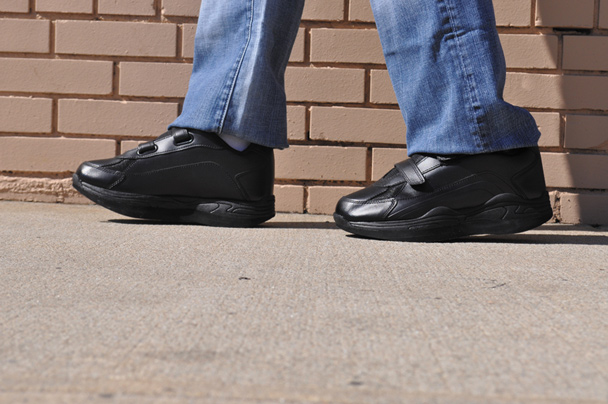
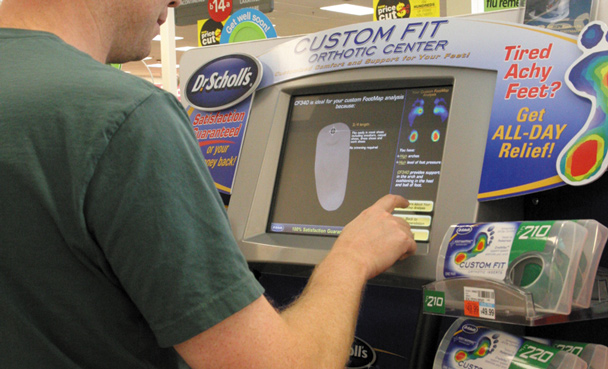
The medical literature generally supports the use of foot orthoses for management of plantar fasciitis symptoms, but evi­dence regarding specific orthotic designs is inconclusive. Early research suggests a temporary custom foot orthosis may be an effective treatment option.

By Caryn Doggett, DPT, Michelle Drake, DPT, and Robert Boyles, PT, DSc, OCS       

read more
Original research: Skill level and balance in golf

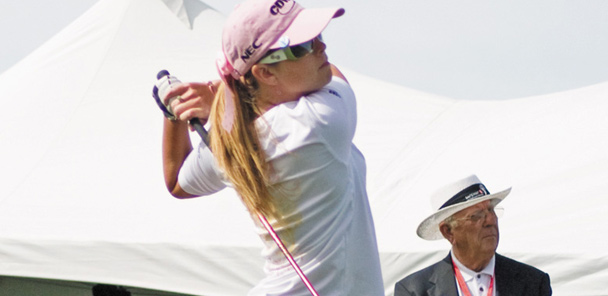
Original research: Skill level and balance in golf

Previous research has identified superior balance in professional golfers compared with controls as well as associations between balance and skill level in amateur golfers. This study compared standing balance characteristics between profes­sion­al and highly skilled amateur golfers.

By Robert Donatelli, PT, PhD; Kenji Carp, PT, ATC, OCS; Guido Pagnacco, PhD; and John Adam, ATC      

read more
Prehabilitation for TJA: More than just exercise

Prehabilitation for TJA: More than just exercise

New England Baptist Hospital’s multi­disciplinary prehabilitation program is grounded in research suggesting that outcomes after total joint replacement can be positively influenced by preoperative care that includes management of patient expectations as well as exercise.

By Claire E. Robbins, PT, DPT, MS, GCS, James V. Bono, MD, and Carl T. Talmo, MD

read more
Pronation in runners: Implications for injury

Pronation in runners: Implications for injury

Pronation is a necessary component of normal running biomechanics, facilitating shock absorption and stabilization. But abnormal levels of pronation, whether restricted or excessive, can alter gait patterns in ways that can potentially increase the risk of running-related injuries.

By Tracy A. Dierks, PhD

read more

Join

Subscribe For Updates

Stay in the loop with the latest news and updates! Subscribe now to receive exclusive content, special offers, and important announcements straight to your inbox. Don’t miss out – join our community today for all the latest updates delivered directly to you.