Hip strength asymmetry has been observed in patients with existing patellofemoral pain syndrome (PFPS) and potentially could be used to screen for at-risk individuals.
By Franklin Caldera, DO, MBA; and Christopher Plastaras, MD
Lower Extremity Review
Hip strength asymmetry has been observed in patients with existing patellofemoral pain syndrome (PFPS) and potentially could be used to screen for at-risk individuals.
By Franklin Caldera, DO, MBA; and Christopher Plastaras, MD
The terms “hallux limitus” and “hallux rigidus” refer to a degenerative process of the great toe joint that was first described by Davies-Colley1 in 1887 and termed hallux flexus. Cotterill later coined the term hallux rigidus.2 The two terms represent a progression in…
By Howard Kashefsky, DPM, FACFAS
After an Australian study raised questions about the conventional practice of elevating the heel to decrease Achilles tendon load, researchers and clinicians have been revisiting what is known about the many factors—including pain—that can affect tendon load and function.
by Cary Groner
Reported effects of estrogen on knee ligaments and the Achilles tendon raise questions about how the plantar fascia might be altered during the menstrual cycle and how those changes might affect injury risk.
By Jerrold Petrofsky, PhD, JD; and Haneul Lee, PT, DSc
Accelerated knee osteoarthritis (OA), defined by very rapid radiographic disease progression, is also associated with earlier and more severe symptoms than traditional OA. Identification of…
By Jeffrey B. Driban, PhD, ATC, CSCS
Strict glycemic control is the most reliable treatment for diabetic peripheral neuropathy, but expanding knowledge of central and peripheral nervous system processes may help identify therapeutic methods…
By Sarnarendra Miranpuri, DPM, MD; Kush Patel; Gurwattan Miranpuri, PhD; Abhishek Chopra; and Ravinderjit Singh
Cleated sports are associated with a high incidence of lower extremity injuries. American football and soccer are particularly troublesome due to unique risk factors involving footwear design, loading patterns, and sport-specific biomechanics.
By Patricia Pande, MClScPT, CSCS, CPed
In a recent editorial in The Lancet Diabetes-Endocrinology,1 Lipsky and colleagues wrote that diabetic foot disease “…is not a one doctor disease—it demands multidisciplinary care. Furthermore, as a notoriously unglamorous problem, the disease depends on…
By Terrence P. Sheehan, MD
Obese patients have an increased risk for falls and fall-related injury, not just because of the loads involved, but also because of the strategies they use to recover from a trip or slip. Findings from a growing body of research will help in developing interventions to minimize that risk.
By Hank Black
Identifying loading patterns associated with Jones fractures and other common sports-related injuries can assist with the development of custom modifications to footwear, insoles, and training programs to help reduce injury rates and enhance athletic careers.
By Yannick Goeb, Nate Wilcox-Fogel, and Kenneth J. Hunt, MD
Clinicians should advocate for the cost-effective, judicious use of foot orthoses for runners with plantar fasciitis, in accordance with the present body of knowledge.
By Patricia Pande, MClScPT, CSCS, CPed
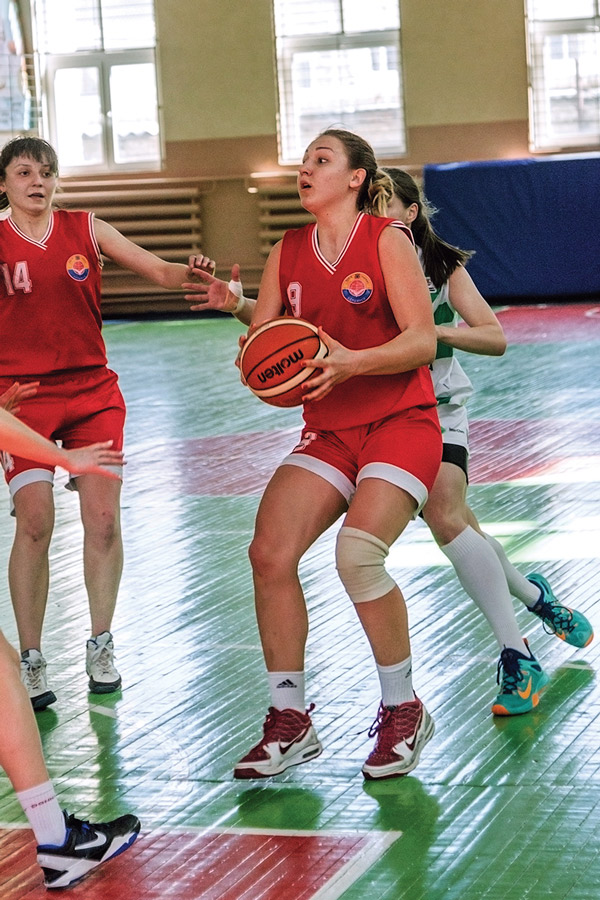
Basketball is associated with a high number of lower extremity injuries, often related to footwear and the unique biomechanics and repetitious motion of the sport. This reflects the evolution of basketball from a refined sport to one of extreme physical contact and leverage. At elite levels of competition, the joint loading that comes with…
By Patricia Pande, MClScPT, CSCS, CPed
Evidence suggests that no one foot strike style can be expected to decrease injury risk in all runners, and that switching foot strike patterns can have unintended consequences. Using a shorter stride length, however, can be an effective alternative for some runners.
By Elizabeth Boyer, PhD, and Tim Derrick, PhD
Men with low bone mass are much less likely than their female counterparts to receive treatment. But research suggests that resistance exercise is a safe and effective way to improve bone mineral density in men and, in turn, reduce the risk of fracture and related complications
By Pamela S. Hinton, PhD
Research presented at the most recent International Ankle Symposium indicates that rehabilitation for chronic ankle instability is evolving from a one-size-fits-all approach to an increased focus on matching specific interventions to the patients who are most likely to benefit.
By Lori Roniger
Join
Stay in the loop with the latest news and updates! Subscribe now to receive exclusive content, special offers, and important announcements straight to your inbox. Don’t miss out – join our community today for all the latest updates delivered directly to you.