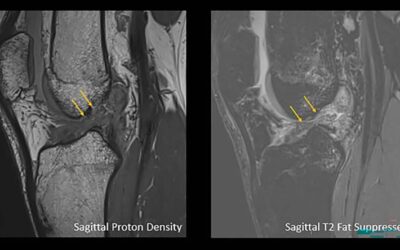
Electronic bicycle (E-bike) use is on the rise in the United States. E-bikes are a convenient, cost-effective, environmentally friendly transportation option that do not require a license to operate. However, these conveniences come with significant injury risks. The aim of this study is to quantify the rates and patterns of orthopaedic injuries related to e-bike use compared…
Lower Extremity Review
AAOS Highlights New AJRR Data
The American Academy of Orthopaedic Surgeons (AAOS) Registry Program highlighted new findings from the American Joint Replacement Registry (AJRR) during the 2026 AAOS Annual Meeting in New Orleans. Analyses presented at the meeting examined implant survivorship, complication trends, and outcomes associated with…
Sensory Input is Needed for Motor Output: The Type of Self-Work for the Best Foot Work Matters
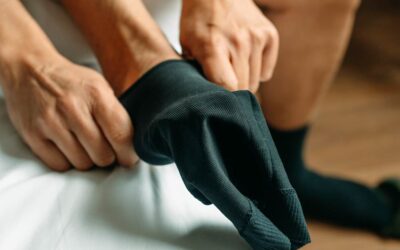
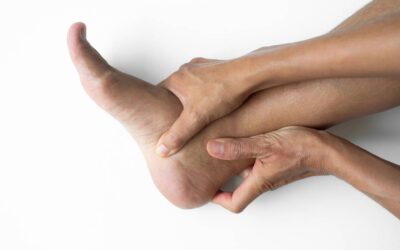
I recently explored and explained the use of mobilization and tactile stimulation (MTS) in the previous article titled, “Sensory Input is Needed for Motor Output–The Foot of the Matter.” In this article, I focus on self-mobilization of the foot and ankle to promote self-efficacy for individuals with lower extremity (LE) sensory impairment resulting in…
By Dr. Jennifaye V. Brown
Pedorthic Toolbox
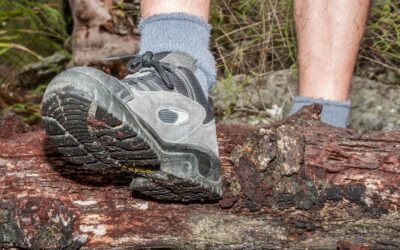
Consumers of high-end running/walk footwear products are coming to you not only to fit them with footwear, but also to solve problems and enhance their performance, prevent injuries and enhance wellness. Some retail shoe stores, and certainly online direct purchases, do not offer the expertise that is required to provide the solutions the consumer is seeking to justify…
By Teresa Alpert
A New Paradigm in the Doctor
The doctor-patient relationship is dead, at least in the format we were all taught in school and during training. Today, there’s a moment, when you walk into an exam room that just didn’t exist 20 years ago. It’s no longer just you and the patient. There’s a third presence sitting between you. It is the electronic health record (EHR), that often-maligned party…
By Mikel D. Daniels, DPM, MBA, President and Chief Medical Officer, WeTreatFeet Podiatry
Emerging Developments in AFOs: Making Carbon Composite AFOs Work in Podiatric Practice Part III
Advances in ankle-foot orthoses (AFOs) are revolutionizing how podiatrists, physical therapists and O&P clinicians support lower-limb mobility and rehabilitation. In this 3-part series, we explore the latest evidence, cutting-edge materials, and innovative design strategies that are shaping the future of AFOs. This short series offers a look at how today’s breakthroughs are improving function, comfort and compliancy in the lower extremity world.
By Keith Loria
lerEXPO Highlights: 1st Ray Shortening and Elevation Post-Lapidus, How to Address It – A Surgeon’s Guide
Surgery, especially in the world of foot and ankle reconstruction, is like solving a complex, 3-dimensional puzzle. Our goal is to take a structure that has adapted over a lifetime into a painful position and restore its original, functional architecture. One of the most powerful tools we have for this is the Lapidus procedure, which corrects a complex bunion deformity…
By Marie Keplinger, DPM, FACFAS
lerEXPO Highlights: Fibular Nails–Fad or New Standard?
This article synthesizes the key findings, surgical techniques, and clinical insights from a lerEXPO’s 2025 Gait Keepers Journal Club regarding the use of intramedullary fibular nails for distal fibula fractures. The primary focus is on a retrospective multi-center study published in the Journal of Foot & Ankle Surgery (JFAS) in 2023, which represents the largest cohort of its kind to date.
The transition from traditional Open Reduction Internal Fixation (ORIF) with plates and screws toward intramedullary fibular nailing represents a significant paradigm shift in ankle fracture management. While historically reserved for “train wreck” patients–those with compromised soft tissue, diabetes, or advanced age–current clinical evidence suggests that fibular nails are highly effective for simpler fracture patterns, such as stress-positive Weber B fractures.
By Brian Burgess, DPM with Brad Abicht, DPM, FACFAS and Jeff Dikis, DPM
Function and Injury Risk in Adolescent Female Volleyball Players with and without CAI
Chronic ankle instability (CAI), a prevalent injury among female volleyball players, can negatively affect functional performance and increase the risk of further injury. The aim of this study was to compare functional movement quality, dynamic balance, vertical jumping performance, hip muscle strength, and risk of injury between…
Return to Play After Ankle Sprains and Achilles Tendon Ruptures in Tennis
Ankle sprains and acute Achilles tendon ruptures are common injuries among recreational tennis players. Patients who sustained an ankle sprain (n=39) or an Achilles tendon rupture (n=7) while playing tennis were retrospectively evaluated. Ankle sprain patients were younger (39 years), smaller and lighter…
The Efficacy of HILT and Stretching Exercises for Plantar Fasciitis Treatment
Plantar fasciitis causes heel pain and functional limitations; conservative treatment typically includes plantar fascia and calf stretching. High-intensity laser therapy (HILT) offers deeper photobiomodulation and potential tissue-healing benefits. In this study participants were randomly allocated into…
Device Variability in Plantar Pressure Thresholds and Diabetic Foot Care Decisions
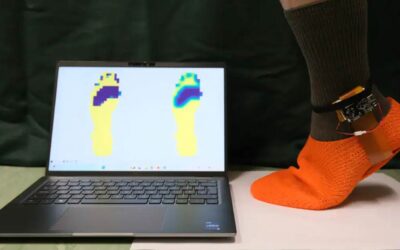
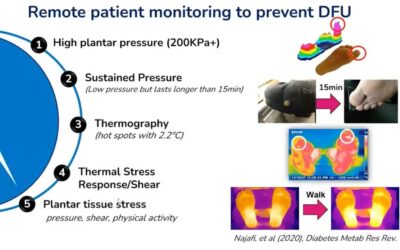
Plantar pressure measurement is used to identify areas of high mechanical loading in people at risk of diabetic foot ulceration. Fixed thresholds, such as 200 kPa for in-shoe and 600 kPa for barefoot measurements, are commonly reported in the literature and applied in clinical decision-making in diabetic foot care.
Comparison of Single Use and Negative Pressure Wound Therapy Devices in LEUs
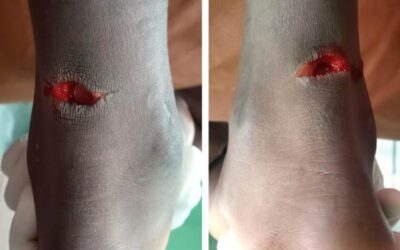
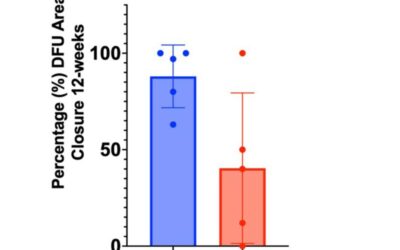
Annually, 49 million people worldwide are impacted by lower extremity ulcers (LEUs). Diabetic foot ulcers (DFUs) and venous leg ulcers (VLUs) are the most common LEUs. Negative pressure wound therapy (NPWT) has emerged as an effective intervention for complex wounds, offering numerous favorable wound healing outcomes.
Myofascial Techniques ROM and Flat Foot Efficiency in Adults
Symptomatic flat foot is quite a common pathology in adults. Myofascial release is 1 of the physiotherapeutic methods that are currently used in the treatment of musculoskeletal diseases. This study aimed to assess the impact of myofascial release on the range of motion and functional efficiency of the flat foot in adults.
Botulinum Toxin Type A in the Management of Plantar Fasciitis
Plantar fasciitis is a prevalent cause of heel pain in adults, particularly among the middle-aged population. It is characterized by microtrauma that exceeds the regenerative capacity of the plantar fascia. Although most cases respond well to conservative treatment, such as stretching exercises, orthotic use, and…
Join
Subscribe For Updates
Stay in the loop with the latest news and updates! Subscribe now to receive exclusive content, special offers, and important announcements straight to your inbox. Don’t miss out – join our community today for all the latest updates delivered directly to you.