The Beginning of a Movement: How CLIF 2025 and the MAPS Initiative Are Shaping the Future of Limb Preservation

The Beginning of a Movement: How CLIF 2025 and the MAPS Initiative Are Shaping the Future of Limb Preservation

Each year, hundreds of thousands of Americans lose a limb due to non-traumatic amputation, most of which could have been prevented. Peripheral artery disease (PAD) and its most severe form, critical limb-threatening ischemia (CLTI), continue to devastate lives, particularly among…

By Dr. Laiq Raja, MD, FACC, FSCAI, Interventional Cardiologist and Endovascular specialist, Founder of The  Limb Savers Society 501 c(3) Non-profit organization and the CLIF Conference.

read more
Funding Cuts Threaten Both the Health of Patients and the Profession

Funding Cuts Threaten Both the Health of Patients and the Profession

Over the course of my career, I have operated at the crossroads of bioengineering and clinical orthotics, a combination that has provided me with a unique perspective on addressing challenges in prosthetics and orthotics. I collaborated with Georgia Institute of Technology to develop the curriculum for the first Master of Science in Prosthetics and Orthotics program.

By Géza F. Kogler, Ph.D, CO

read more
Early Assessment and Intervention for Acquired Adult Flatfoot and PTTD

Early Assessment and Intervention for Acquired Adult Flatfoot and PTTD

Early assessment and intervention of acquired adult flatfoot, particularly concerning Posterior Tibial Tendon Dysfunction (PTTD) is essential. I’ll be discussing proactive management, emphasizing the importance of early intervention, comprehensive foot assessment, and the strategic application of orthotic devices to prevent the progression of PTTD and improve long-term patient outcomes.

By Dr. James McGuire DPM, LPT, LPed, FAPWHc

read more
Failed Forefoot MIS Surgery: What Can You Do to Prevent This from Happening

Failed Forefoot MIS Surgery: What Can You Do to Prevent This from Happening

Minimally Invasive Surgery (MIS) in foot and ankle continues to evolve, offering new avenues for patient care. This discussion delves into the nuances of MIS, particularly concerning bunion correction and common challenges. For those venturing into or deepening their expertise in MIS, understanding the learning curve is paramount. While historically mastering bunion correction required 60–70 cases in 2017, to 40 cases in 2022, advancements like third-generation bunion correction with 2 screws, stable fixation, and jigs have significantly reduced this learning. It is important to note that these learning curves are not directly correlated to complication.

By Raquel Sugino, DPM, MS, FACFAS

read more
Exergame Program Improves Gait in People with Parkinson’s Disease

Exergame Program Improves Gait in People with Parkinson’s Disease

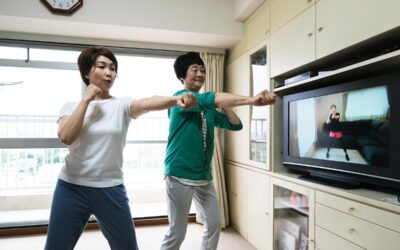
Gait impairments are among the most common and disabling symptoms of Parkinson’s disease and are especially aggravated in dual-task conditions. Interventions with conventional physical therapy improve gait cadence and speed, cognition, fear of falling, and freezing of gait. However, exergames have attracted interest in the treatment of people with Parkinson’s disease due to the characteristics of the…

read more
Diagnostic Musculoskeletal Ultrasound for Plantar Fascia

Diagnostic Musculoskeletal Ultrasound for Plantar Fascia

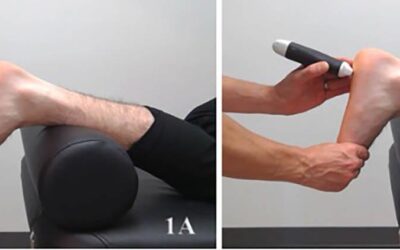
The plantar fascia is composed of fibrous connective tissue that forms a band running from the calcaneal tubercle distally to the toes. One of its main roles is to provide passive support to the medial longitudinal arch on the sole of the foot. This support is compared to a tie-rod tension producer during weight bearing. When loaded excessively during vocational or athletic activities, overuse in the form of

read more
Ozone Successful Treatment of Venous Leg Ulcers and Diabetic Foot Ulcers

Ozone Successful Treatment of Venous Leg Ulcers and Diabetic Foot Ulcers

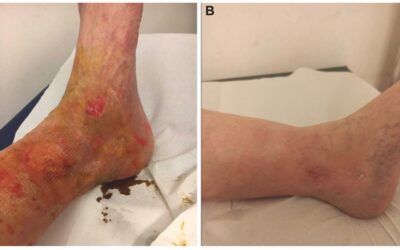
Venous leg ulcers (VLUs) and diabetic foot ulcers (DFUs) are chronic wounds associated with significant morbidity, high recurrence rates, and poor healing outcomes. Conventional treatments often fail to achieve satisfactory results, leading to prolonged pain, infection risks, and reduced quality of life. Oxygen-ozone therapy (OOT) has emerged as a potential adjunct to conventional wound care, with…

read more
Achilles Tendon Stiffness and Jumping: Comparative Study of Soccer and Basketball Athletes

Achilles Tendon Stiffness and Jumping: Comparative Study of Soccer and Basketball Athletes

Tendon properties influence athletic performance, and Achilles tendon (AT) stiffness correlates with an athlete’s jumping performance across sports. This study examined the relationship between AT stiffness and jumping performance in male athletes. Sixty-six males (24.9 ± 4.7 years; 22 basketball players (22.0 ± 4.1 years), and 44 soccer players (26.3 ± 4.4 years) participated.

read more
Plantar Pressure in Recreational Athletes Running in Maximal and Traditional Shoes

Plantar Pressure in Recreational Athletes Running in Maximal and Traditional Shoes

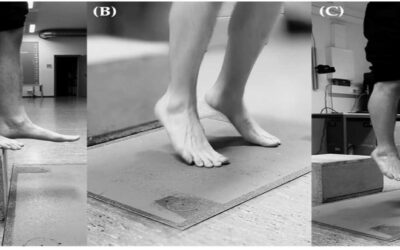
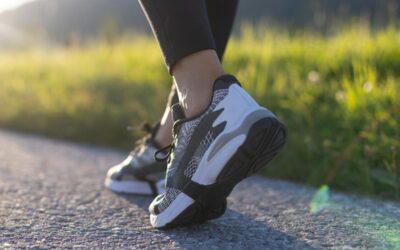
Running is a popular competitive and recreational activity with numerous health benefits, including reduced risk of cardiovascular disease and all-cause mortality, and improved mental health. Despite these benefits, running continues to carry a high risk of injury. The primary objective of this study was to compare plantar pressure (peak forefoot and rearfoot pressure, center of pressure displacement and distance) between maximal…

read more
Is Local Steroid Injection Predictive of Patient Response to Endoscopic Plantar Fascia Release

Is Local Steroid Injection Predictive of Patient Response to Endoscopic Plantar Fascia Release

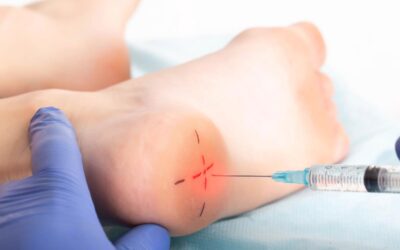
Plantar fasciitis is a very common issue with many treatment options. The purpose of this  study was to investigate if patient’s response to previous local steroid injection is predictive of their response to endoscopic plantar fascia release in regard to pain relief, functional recovery, and patient satisfaction. Researchers hypothesized that previous temporary improvement in response to local corticosteroid injection is…

read more
Indoor VS. Regular Custom-Made Footwear for Diabetics at High Risk Of Foot Ulceration

Indoor VS. Regular Custom-Made Footwear for Diabetics at High Risk Of Foot Ulceration

Custom-made footwear designed specifically for indoor use increases footwear adherence in people with diabetes at high ulcer risk. The design and biomechanical requirements of such footwear are important if they are to safely replace regular custom-made footwear for indoor use. Researchers aimed to compare indoor-specific versus regular custom-made footwear for design characteristics and biomechanical function.

read more

Join

Subscribe For Updates

Stay in the loop with the latest news and updates! Subscribe now to receive exclusive content, special offers, and important announcements straight to your inbox. Don’t miss out – join our community today for all the latest updates delivered directly to you.