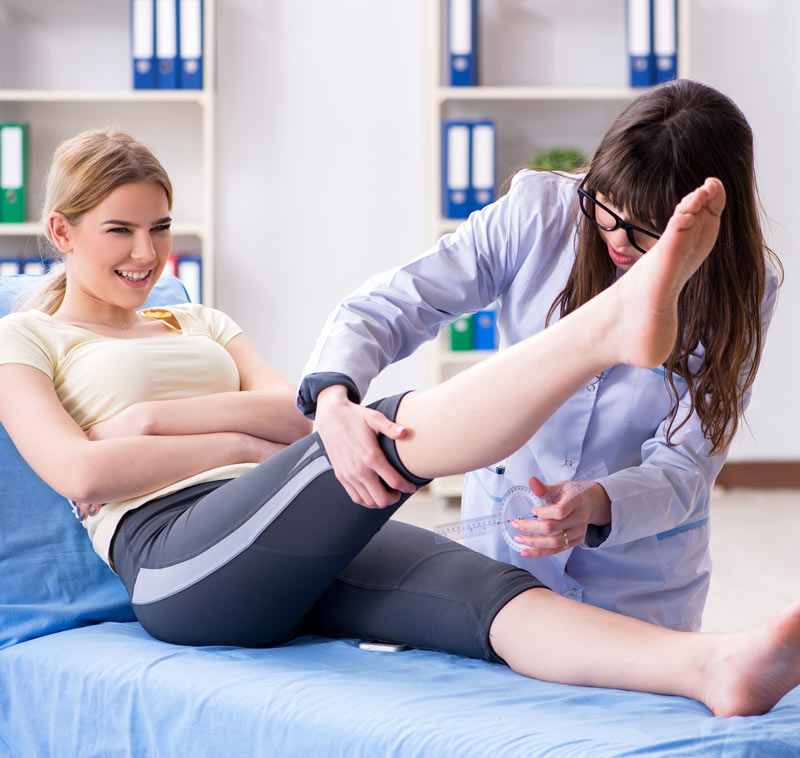
Patellofemoral pain (PFP), one of the most common knee problems in active people, is also one of the most challenging conditions to manage, due to its complex nature. To support athletic trainers and other healthcare providers who treat the problem, the National Athletic Trainers’ Association (NATA) has published recommendations and a framework for identifying risk factors and managing patients who experience PFP.
Lower Extremity Review
Poor Balance Tied to Visual Acuity–Peripheral Vascular Disease Interaction
Poor vision has long been known as a risk factor for poor balance. This is particularly true in older adults as they perform complex balancing tasks, such as standing on 1 foot. A team of Canadian researchers wanted to determine whether poor vision would be more strongly related to standing balance in older adults who had peripheral vascular disease (PVD) or diabetes.
ADA Issues New Guidelines for Youth with T2D
Youth-onset type 2 diabetes (T2D), defined as T2D that develops before 20 years of age, is a growing medical challenge in the United States. A national study reported a 4.8% increase in newly diagnosed cases of T2D in this age group from 2002 to 2012.
VA Reports Downward Trend in Surgical Adverse Events
In an 8-year quality improvement follow-up study of reported surgical adverse events (AEs) at the US Veterans Health Administration (VHA), researchers found 277 AEs and 206 “close calls.” The data show a continuing of the downward trend from 1.74 to 0.47 AEs with harm for every 100,000 procedures, compared to the previous similar VHA studies (the periods 2001-2006 and 2006-2009).
HIPAA Violations Can Be Costly
A Connecticut allergy practice has agreed to pay $125,000 and enter a corrective action plan to settle an alleged Health Insurance Portability and Accountability Act (HIPAA) Privacy Rule violation. According to the US Department of Health and Human Services (HHS), the violation occurred when one of the practice’s physicians disclosed a patient’s protected health information to a member of the media.
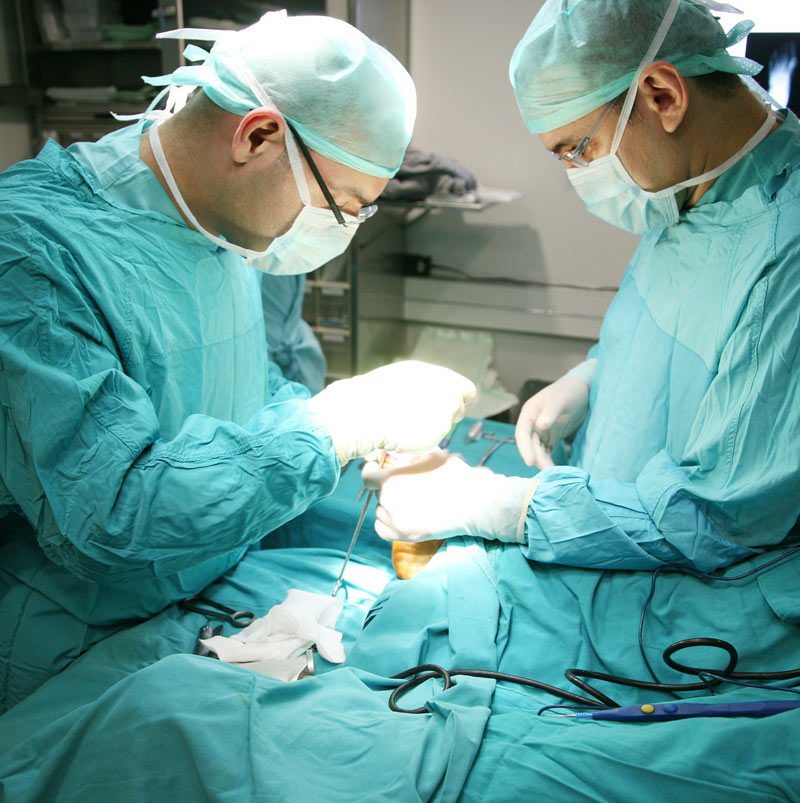
Vexing Question: How Soon Should Patients Drive After Lower-Extremity Surgery?
The answer doesn’t come easily; official guidelines are lacking. Ultimately, patients bear responsibility for the decision, but you can still offer them valuable advice for keeping safe. “Doctor, when can I start driving again?” That’s a common question patients ask when they’re headed for lower-extremity surgery. But it’s not always an easy one to answer.
By Keith Loria
Exploring Stability and Freedom with the GYROKINESIS® Method
New somatic practice uses repeated movements, breath awareness and rhythmic patterns to loosen joints and ease muscle tension. The GYROKINESIS® Method* is a unique form of somatic practice that is gaining popularity around the world. The Gyrokinesis Method promotes a holistic approach to health and well-being that could be useful to a variety of populations.
By Marianne Adams, MA, MFA
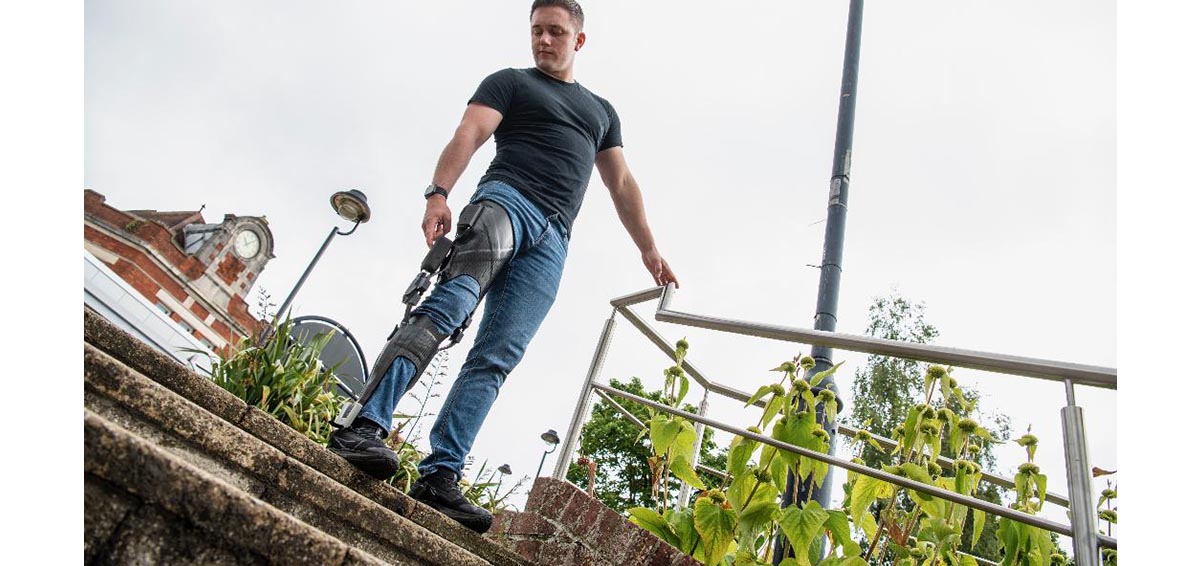
Stylish Prosthetic Limbs Boost Amputees’ Quality of Life
Aesthetic devices respond to emotional needs and can lead to “positive conversations”. In the early 1900s in the United Kingdom, the National Health Service considered glasses and spectacles medical devices—designed to be functional, but without any consideration of style and experience.1 As a result, said Stefania Sansoni, PhD, companies that made eyeglasses didn’t think about their appearance. “They were thinking about not attracting attention,” she said.
By Nicole Wetsman
National Biomechanics Day 2018: Opening Young Minds to a Burgeoning Field
National Biomechanics Day (NBD) 2018—April 11, 2018—continued building excitement for the field by engaging 11,000 young students across 150-plus sites around the globe. The home-grown events allow high school (and younger) students to experience first-hand a field that underlies orthopedics, exercise physiology science, physical therapy, and countless other fields that involve human movement and performance.
The PodPAD Project: A Podiatry-led Integrated Pathway for People with Peripheral Arterial Disease in the UK – a Pilot Study
Clinical evidence suggests that this intervention (foot care plus advice on diet, exercise & smoking) is highly effective at reducing the progression into acute care and can reduce the incidence of amputation by 60%.
By Lisa Farndon, John Stephenson, Oliver Binns-Hall, Kayleigh Knight, and Sally Fowler-Davis
Patellofemoral Pain: An Ongoing Orthopedic Enigma
Patellofemoral pain (PFP), also known as anterior knee pain, is one of the most common but complex knee problems to manage. PFP affects approximately 23% of the general population and 29% of adolescents. Moreover, females are twice as likely to develop PFP as males.
By Lori A Bolgla, PT, PhD, MAcc, ATC, and Michelle C Boling, PhD, LAT, ATC
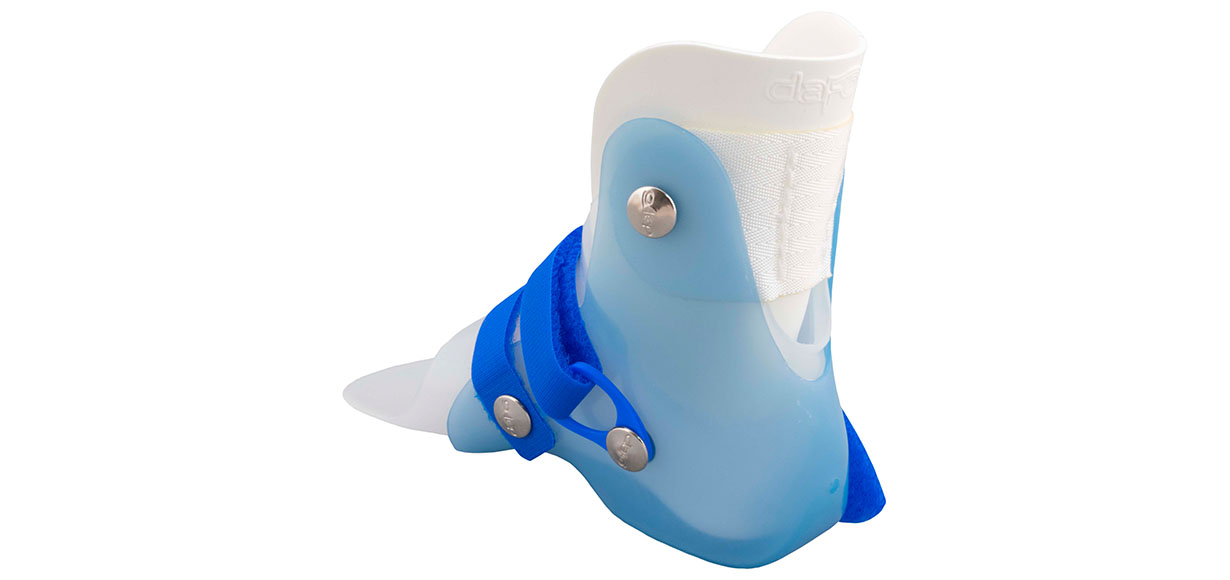
JumpStart® Softback™ provides comfortable control of excess plantarflexion
Cascade Dafo, a manufacturer of pediatric lower-extremity braces and creator of the original DAFO® (Dynamic Ankle Foot Orthosis), has added the JumpStart® Softback™ to its Fast Fit® line of prefabricated braces. This AFO is designed to provide lightweight, comfortable control of mild to moderate toe walking and knee hyperextension.
Low-Temperature Thermoplastic Made in U.S.
Since its inception in 1981, JMS Plastics Supply has been committed to partnering with its orthopedic customers for product satisfaction, including plastic materials, covering and cushioning materials, and equipment and supplies. New from JMS Plastics is a low-temperature thermoplastic for splinting, which JMS reports to be the only low-temperature plastic made in the U.S.
Tread Labs Insoles Improve Patient Outcomes and Your Bottom Line
Some of your patients need custom orthotics. Others will achieve equal outcomes, at lower cost, with pre-fabricated insoles. Tread Labs offers semi-custom insoles that provide excellent relief from plantar fasciitis and other foot ailments. They are the perfect solution for customers who do not need, or cannot afford, custom devices.
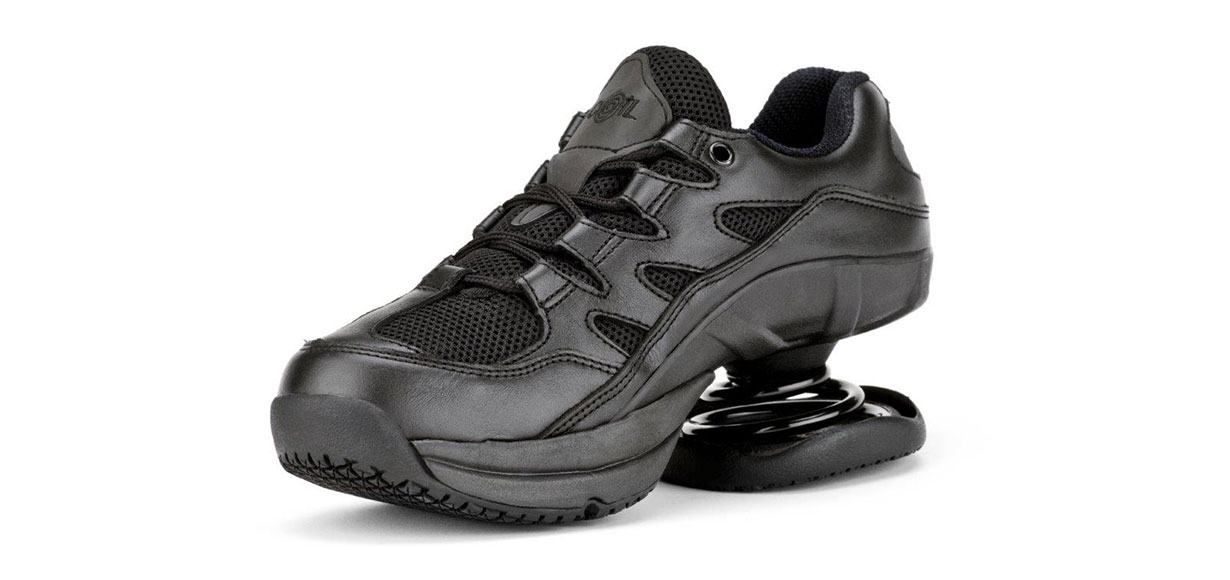
Z-CoiL Relieves Foot, Leg, and Back Pain Immediately
Z-CoiL shoes feature an innovative spring in the heel. Like shock-absorbers for the body, Z-CoiL’s reduce impact by 50%, enabling the wearer to walk, run, and stand for hours in comfort. Now those suffering from foot, leg, and back pain can reduce pain and injury without pills, shots, or surgery. It sounds too good to be true – but it’s not!
Join
Subscribe For Updates
Stay in the loop with the latest news and updates! Subscribe now to receive exclusive content, special offers, and important announcements straight to your inbox. Don’t miss out – join our community today for all the latest updates delivered directly to you.