
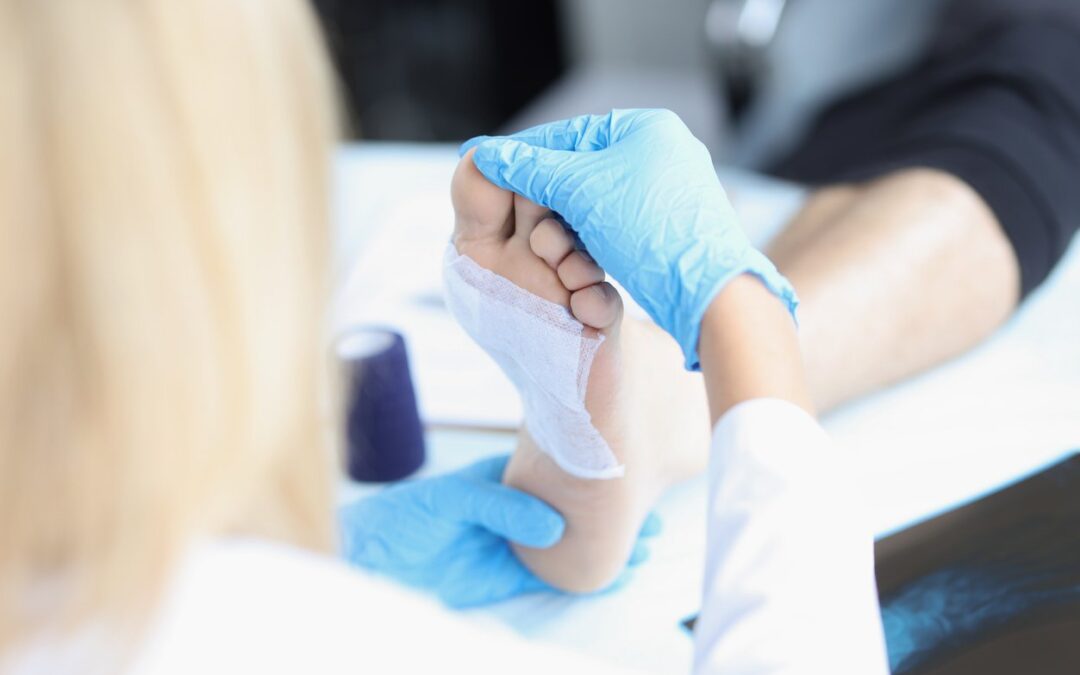








Techniques like Tenex are bridging the gap between conservative therapy and surgery
 By Keith Loria
Many patients with chronic foot and ankle conditions face treatment decisions that often fall into a frustrating gray area. Conservative therapies such as orthotics, physical therapy and injections may no longer provide relief, yet the prospect of surgery and its associated downtime can feel premature or undesirable.
In response, clinicians are increasingly turning to minimally invasive procedures that offer an intermediate step between conservative care and traditional surgery. Among the most prominent of these is Tenex, a percutaneous ultrasonic procedure designed to remove diseased tendon tissue while preserving surrounding healthy structures.
Elena Wellens, DPM, a podiatric surgeon with Rothman Orthopaedics in Philadelphia, noted Tenex has significantly changed her approach to treating chronic soft tissue conditions.
“Tenex has revolutionized my approach to tendinitis and fasciitis,” Wellens said.
Unlike traditional open surgical procedures, which often involve releasing or altering anatomical structures, Tenex focuses on targeted removal of damaged tissue while preserving the integrity of the surrounding anatomy.
Wellens noted this distinction is particularly important in the treatment of plantar fasciitis.
“Traditional open surgery releases the plantar fascia, which is a critical structure,” she said. “Tenex allows us to preserve it by removing only the diseased tissue and allowing the body to heal naturally.”
The procedure is performed under local anesthesia and typically requires only a small incision. Recovery is also significantly faster than with traditional surgery, with patients often returning to regular footwear within two weeks and resuming normal activity within six weeks.
“Patients are back in sneakers in about two weeks,” Wellens said, noting that recovery timelines are comparable to or better than those seen with more invasive procedures.
Where it Fits in the Treatment Continuum
Minimally invasive procedures like Tenex are increasingly being positioned as a step between conservative care and surgery, particularly for patients who have failed to improve after several months of non-surgical treatment.
Wellens said patient selection is key to achieving optimal outcomes.
“I generally recommend three to six months of failed conservative treatment before considering Tenex,” she said.
She also relies on imaging, such as MRI, to assess the integrity of the affected tissue and determine whether the procedure is appropriate.
This approach reflects a broader shift in lower extremity care, where clinicians are expanding the range of treatment options available to patients rather than moving directly from conservative therapy to surgery.
Integration with Regenerative Therapies
Minimally invasive procedures are not replacing regenerative therapies; they are increasingly being used in combination with them.
Michelle Morse, DPM, based in Boston, noted regenerative treatments such as PRP and shockwave therapy often play a complementary role in patient care.
“We are always recommending pairing our treatments with orthotics, specific shoe recommendations, and exercises,” Morse said.
She added that many foot and ankle conditions are “acute on chronic,” meaning that underlying biomechanical issues contribute to long-term symptoms. Addressing both the tissue and the underlying cause is essential for lasting success.
From a broader perspective, Emily Splichal, DPM, MS, CES, of the Center for Functional & Regenerative Medicine in Chandler, Arizona, said treatment success depends on how different modalities are integrated.
“It’s not just the intervention itself that creates success–it’s the protocol around it,” Splichal said.
She noted that regenerative therapies can help restore tissue integrity, while minimally invasive procedures can address more localized pathology, creating a continuum of care that bridges multiple treatment approaches.
Patient Outcomes and Expectations
For patients, minimally invasive procedures offer a compelling alternative to traditional surgery, particularly when it comes to recovery time and overall experience.
Wellens noted Tenex has demonstrated strong outcomes in her practice, with success rates exceeding those of traditional open procedures in some cases.
“The results are reliable, with over 90% success,” she said.
In addition to clinical outcomes, patient satisfaction is influenced by the less invasive nature of the procedure and the ability to return to normal activities more quickly.
Morse said that patients are increasingly seeking options that allow them to maintain their quality of life while addressing their condition.
“Many patients are able to return to their functional goals when we improve their pain significantly,” she said.
Expanding Role in Lower Extremity Care
As awareness of minimally invasive techniques grows, their role in lower extremity care is likely to expand. Clinicians are recognizing the value of having an intermediate option that can address persistent symptoms without the risks and recovery associated with traditional surgery.
At the same time, these procedures require specialized training and a strong understanding of anatomy and imaging.
Wellens said adding these techniques to practice requires a solid understanding of anatomy and the ability to use ultrasound guidance effectively.
Minimally invasive procedures like Tenex represent a shift toward more patient-centered care, where treatment decisions are guided not only by clinical indications but also by patient preferences and lifestyle considerations.
For clinicians, the challenge is determining when these procedures are appropriate and how they fit into a broader treatment strategy. For patients, they offer something increasingly valuable: a meaningful alternative to surgery.
As lower extremity care continues to evolve, minimally invasive procedures are poised to play an increasingly important role, bridging the gap between conservative therapy and surgical intervention while expanding the range of options available to patients.
A graduate of the University of Miami, Keith Loria is a D.C.-based award-winning journalist who has been writing for major publications for more than 20 years on topics as diverse as healthcare, travel, sports and entertainment.
Related posts:

Make Exercise Easy to Repeat

CAGA 101: The 12 Dirty Truths of Foot Mechanics

Robotic-Assisted Total Knee Arthroplasty is Associated with Improved Quality of Life and Increased Patient Satisfaction ...

Resistance Training Protects Age-Related Muscle Mass Loss*

Presentation of an Intelligent Plantar Pressure Offloading System