







You have to exercise, or at some point you’ll just break down. Barack Obama
 The old adage is right: aging is not for sissies. Data shows that age-related losses in skeletal muscle mass, strength, and function weaken physiological resilience leading to increased vulnerability to catastrophic events. Each body may age in response to its unique life events, but every body does age. The Baby Boom generation (those born 1946–1964), benefitted greatly from the public health advances of the early 20th century with longer a life span. That longer lifespan, however, has consequences in the form of diverse chronic disease morbidity—for example, cardiovascular disease, diabetes, or osteoarthritis.
While one can age without disease, there is a natural decline in physical resilience which can lead to physical disability, mobility impairments, falls, diminished quality of life, and reduced independence. Chronic disease only piles on to this natural decline. Sarcopenia may be the best-known age-related decline, with a rising prevalence with age: 10% in those over 60 years, rising to 50% in those over 80 years. This loss of muscle mass, which generally starts after age 30, is known to increase after age 60, and loss is greater in the lower limbs than the upper limbs. Decreasing muscle mass is part of the causal pathway for strength loss, disability, and morbidity in older adults, though some would argue that decreased muscle mass may be secondary to strength loss. Indeed, grip strength serves as a clinically relevant biomarker of disability and early mortality and has been labeled a “biomarker of aging.”
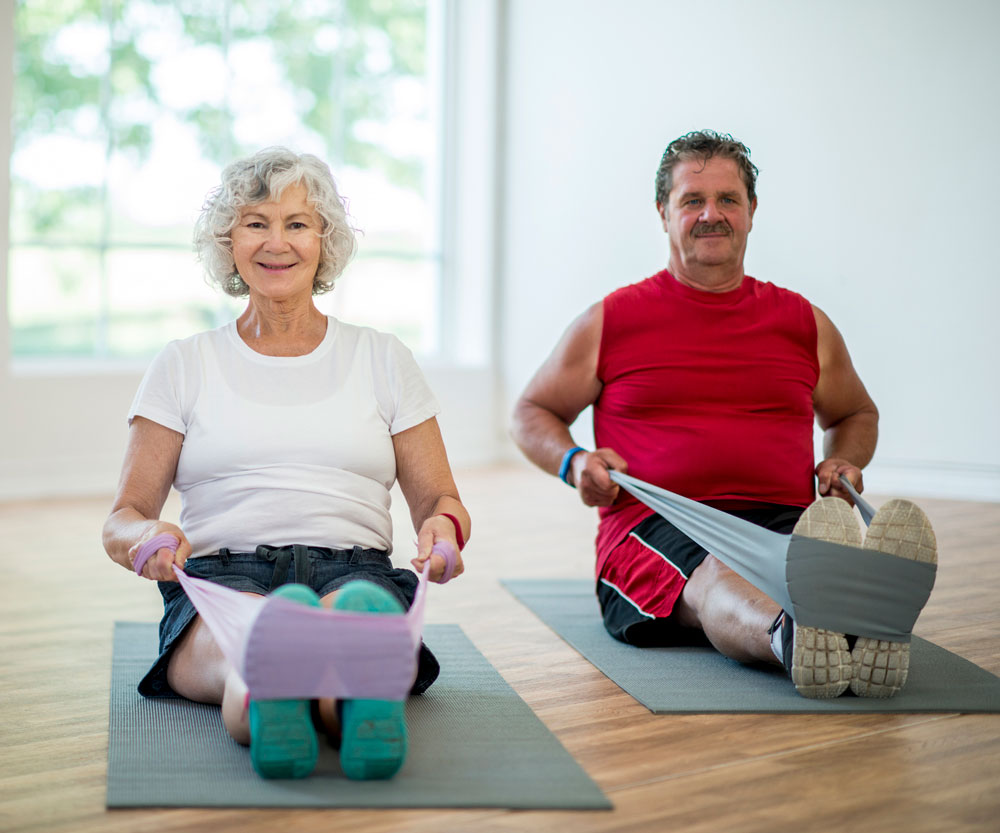
The prescription to exercise, or at least move, has been around for centuries. “Walking is man’s best medicine” comes from the father of modern medicine, Hippocrates, who was born in 470 BC. But what kind of exercise is best? While aerobic has been encouraged for decades, resistance training has gained ground, particularly as it can help prevent loss of muscle mass—so much so, the National Strength and Conditioning Association developed a Position Statement* documenting all the evidence in support of this form of movement, particularly for older adults.
What Resistance Training Can Do
Muscle disuse can be prevented and may be reversible with the proper treatments. Studies consistently show that resistance training among older adults is feasible and can be effective in a variety of ways
- Negating muscle weakness and physical frailty
- Mitigating age-related intramuscular adipose infiltration
- Improving physical performance, and
- Increasing muscle fiber area.
Studies also show resistance exercise provides improvements in
- muscle quality
- bone density
- metabolic health and insulin sensitivity
- management of chronic health conditions
- quality of life
- psychological well-being
- extended independent living, and
- reduced risk for falls and fractures.
On a cellular level, the position statement provides evidence that resistance training may “improve metabolic capacity of skeletal muscle by improving glucose homeostasis, preventing intramuscular lipid accumulation, increasing oxidative and glycolytic enzyme capacity, enhancing amino acid uptake and protein synthesis, and shifting the anabolic/catabolic milieu toward anabolism through release.”
In addition to being a complement to aerobic activity’s positive effects, resistance training has been called a “medicine” on its own because data shows it can
- lessen aging’s effects on both functional capacity and neuromuscular function
- improve muscle strength, mass, and power output
- improve bone mineral density
- reduce abdominal and visceral fat mass, and
- lower hemoglobin A1c in adults with type 2 diabetes.
Yet, less than 9% of older adults use resistance training due to concerns about safety, health, pain, and fatigue, or a lack of social support.
 Recommendations
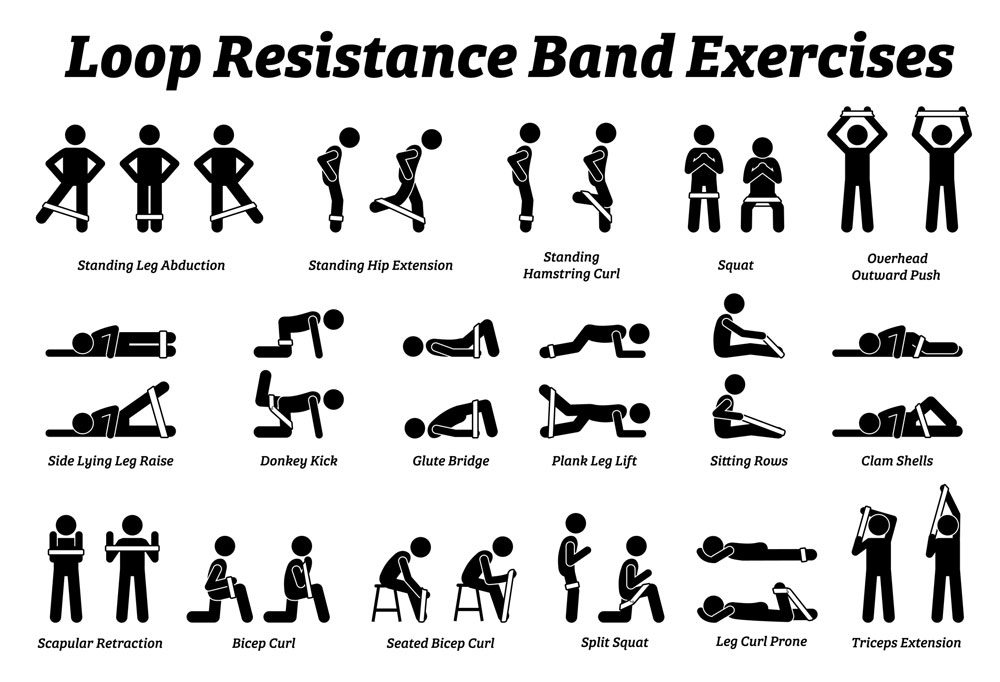
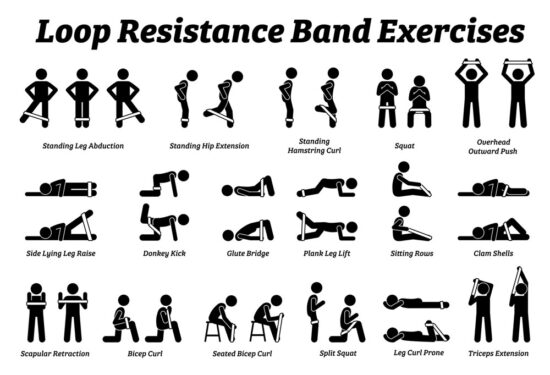
Using scientific evidence, professional expertise, and age-appropriate patient use considerations, these authors developed this position statement providing evidence for each recommendation. The 11 recommendations are broken into 4 sections that target the older population: program variables, positive physiological adaptations to resistance training, functional benefits, and considerations for frailty, sarcopenia, or other chronic conditions.
Program Variables
A properly designed resistance training program with appropriate instructions for exercise technique and proper spotting
- is safe for healthy older adults
- should include an individualized, periodized approach working toward 2–3 sets of 1–2 multijoint exercises per major muscle group, achieving intensities of 70–85% of 1 repetition maximum (1RM), 2–3 times per week, including power exercises performed at higher velocities in concentric movements with moderate intensities (i.e., 40–60% of 1RM)
- should follow the principles of individualization, periodization, and progression.
Positive Physiological Adaptations
A properly designed resistance training program
- can counteract the age-related changes in contractile function, atrophy, and morphology of aging human skeletal muscle
- can enhance muscular strength, power, and neuromuscular functioning
- can facilitate adaptations to resistance training in older adults that are mediated by neuromuscular, neuroendocrine, and hormonal adaptations to training.
- Functional Benefits
A properly designed resistance training program
- can improve mobility, physical functioning, performance in activities of daily living (ADL), and preserve independence
- can improve an older adult’s resistance to injuries and catastrophic events such as falls
- can help improve the psychosocial well-being of older adults.
Frailty, Sarcopenia, or other Chronic Conditions
Resistance training programs can be adapted
- for older adults with frailty, mobility limitations, cognitive impairment, or other chronic conditions
- to accommodate older adults residing in assisted living and skilled nursing facilities (with portable equipment and seated exercise alternatives).
*This article attempts to summarize “Resistance training for older adults: position statement from the National Strength and Conditioning Association,” by Maren S. Fragala, Eduardo L. Cadore, Sandor Dorgo, Mikel Izquierdo, William J. Kraemer, Mark D. Peterson, and Eric D. Ryan. The article was published in the August 2019 issue of the Journal of Strength and Conditioning Research, the official journal of the National Strength and Conditioning Association. doi: 10.1519/JSC.0000000000003230. Readers are encouraged to review the original, which is available online for free.