







By Peter Dabnichki and Toh Yen Pang
This study highlights the importance of a user-centered design in enhancing adherence to and satisfaction with AFOs.
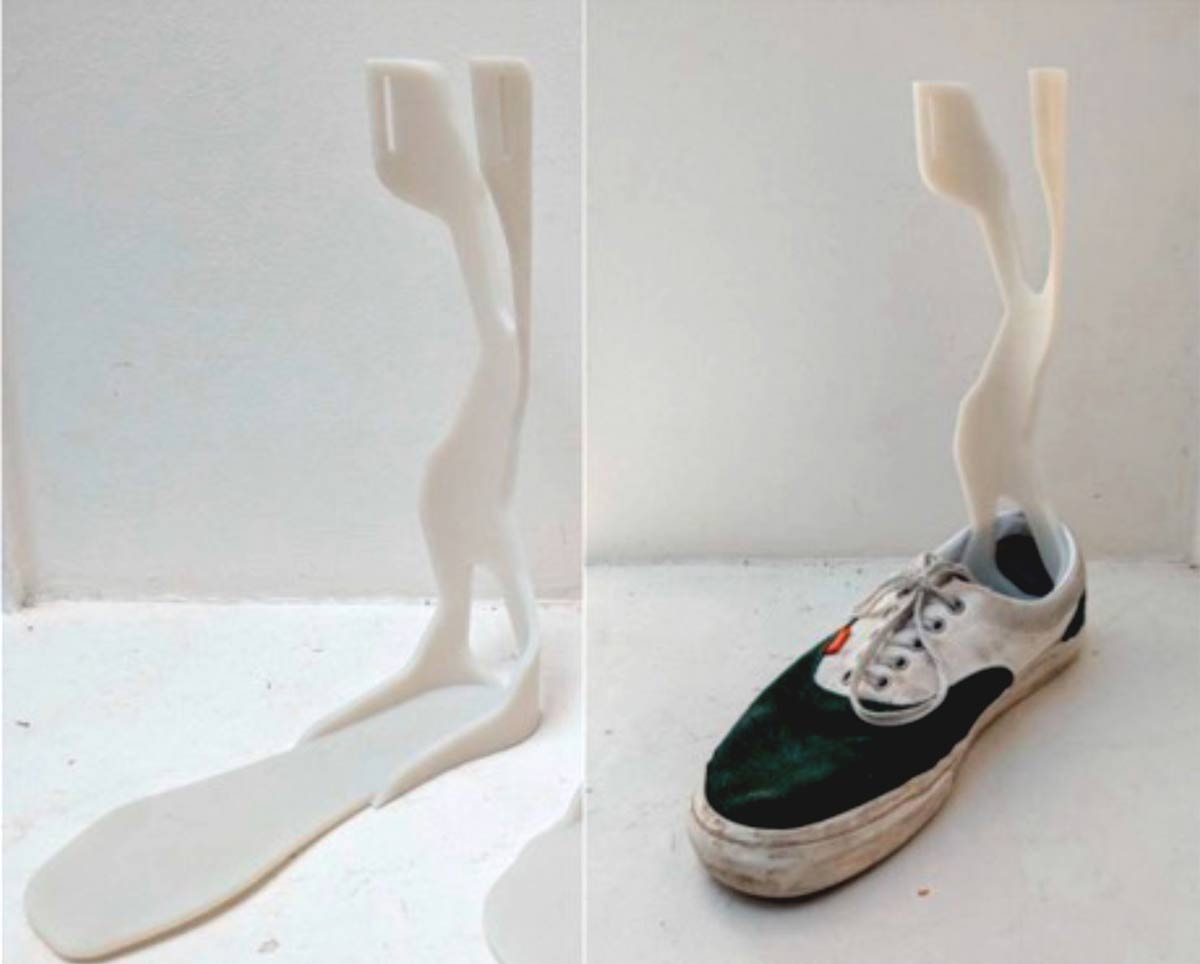
Figure 2: The 3D-printed AFO underwent user testing involving individuals that were representative of the intended population. The research team wore the AFO prototype for a pre-defined duration, during which key activities, such as standing, walking, ascending and descending stairs, and engagement in light physical activity, were observed. The AFO was fitted by the participants themselves or with assistance from caregivers to evaluate the ease of application and removal.
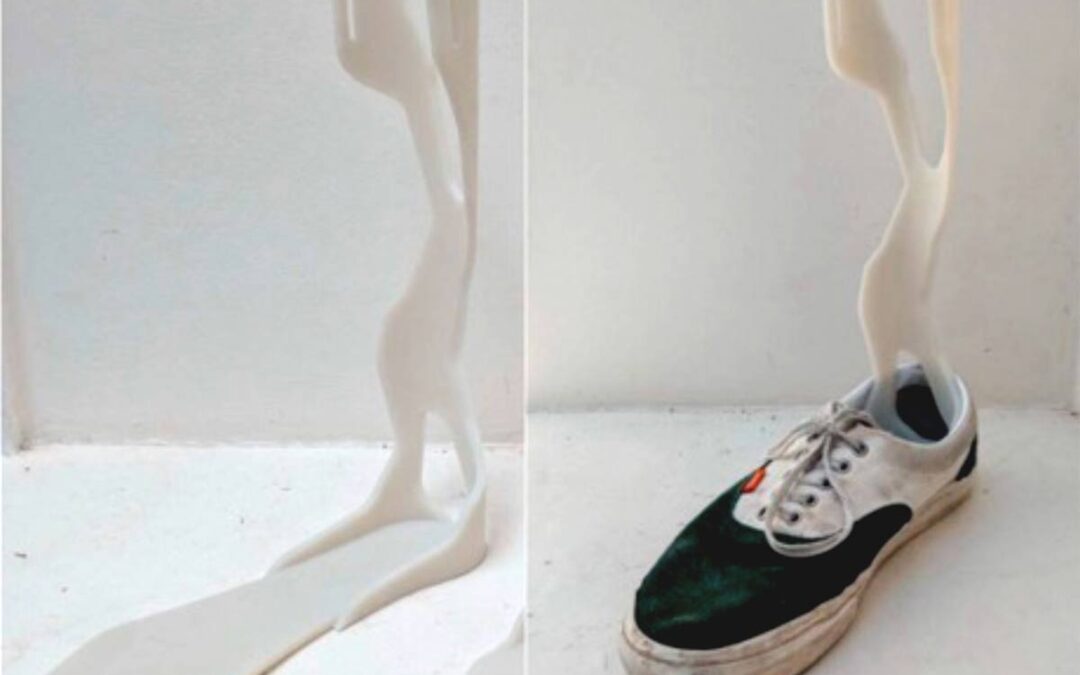
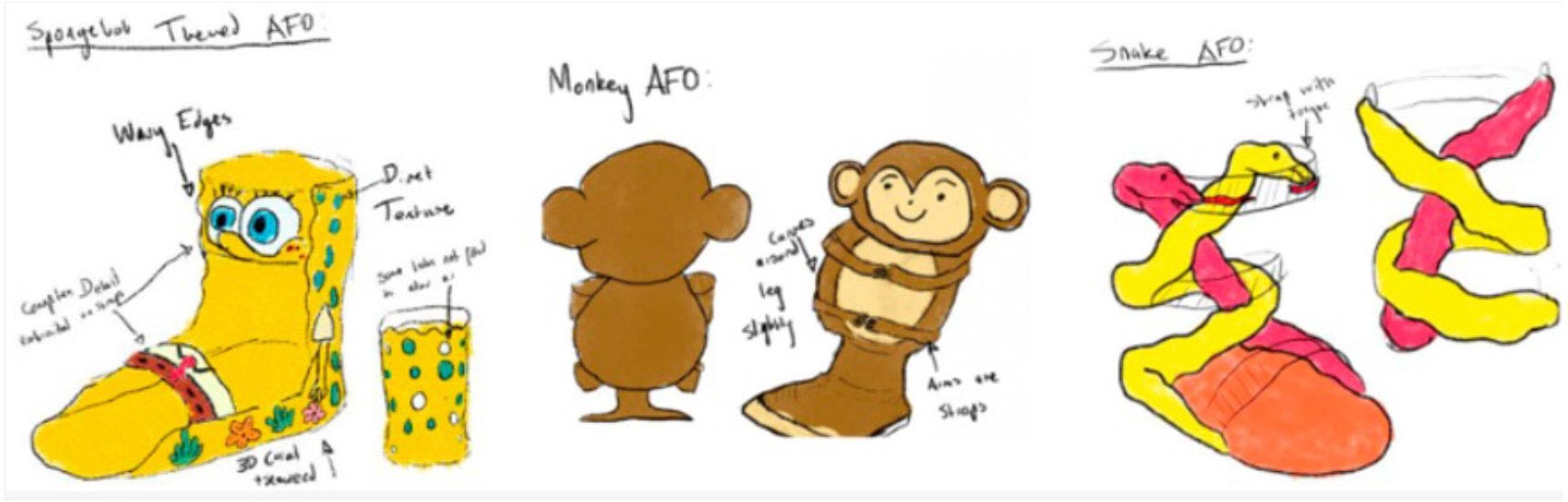
Ankle-foot orthoses (AFOs) are essential in pediatric rehabilitation particularly for children with conditions such as cerebral palsy, drop foot, or neuromuscular impairments. However, for this patient population, compliance is a common issue as functionality is secondary to appearance and peer perception. Discomfort, pain, and functional limitations have also been shown to lead to non-adherence to device usage. Thus, the aim of this study was to device a method that inverts this traditional approach and devises an attractive light design (Figure 1) that can be adapted to ensure structural soundness.
Methods
This study used a user-centered design process, adapted from established engineering design principles, to develop and evaluate an innovative AFO design. Specific design criteria were established—integrating advanced materials and fabrication methods, including additive manufacturing, as well as the specific requirements of individuals with conditions necessitating the use of AFOs—to encompass comfort, range of motion, ease of donning and doffing, and durability. Nylon PA12 was selected as the optimal material choice for pediatric AFOs due to its balance of mechanical performance, skin comfort, cost-effectiveness, and sustainable production, with minimal material waste. A prototype AFO was subsequently fabricated, incorporating features such as adjustable stiffness and a personalized fit (Figure 2).
Results and Discussion
By synthesizing insights garnered from user feedback, esthetic research, and engineering analysis, this study sought to create AFO designs that enhance both functional performance and the emotional well-being of users. Once anthropometric data were collected, they were integrated into Computer Aided Design (CAD) software to develop custom AFO designs tailored to individual users. The study authors used the “extrude” approach to modify the support’s thickness to the desired height and then shape it by cutting away material to create a tree-like form. This approach met the esthetic design requirement. A filleting tool was used to create soft, rounded edges, ensuring comfort by preventing pinching or sharp transitions against the skin. The design also effectively distributed torque from the support down to the base by gradually connecting the 2 components. The current study prioritized user empowerment in the design by incorporating visually engaging elements that promote compliance and self-expression. The designs integrated strategically placed ventilation features to improve breathability and overall comfort and also allowed for the AFO to remain integrated within a shoe, facilitating streamlined usability. The use of CAD-based approaches enables easy adjustments and iterative refinement, rendering the manufacturing process more flexible and efficient.
The reliance on anthropometric measurement techniques makes this approach adaptable to regions where 3D scanning equipment is not feasible as well as providing a low-cost, scalable solution. However, in urban or resource-rich environments, 3D scanning could play a complementary role.
The results demonstrated that the proposed design displayed moderate deformation (12 mm) and low stress levels (1.8 MPa), with acceptable safety factors (FoS = 15) for nylon material. This material’s properties align well with the requirements of lightweight yet durable AFOs.
The manufacturing flexibility provided by CAD modeling and the use of 3D printing technologies allowed for rapid prototyping and iterative refinement. This approach reduced the time and cost associated with traditional molding methods while enabling the creation of customizable designs tailored to individual users.
Physical testing was performed by using the printed AFOs on group members, with a focus on user experience, particularly in terms of comfort and fit.
Comfort and Fit: Discomfort was observed around the calf connection, primarily due to the unrounded edges of the 3D-printed material. This sharp geometry created localized pressure points, leading to skin irritation and discomfort during wear. Modifying the material’s flexibility and further refining the edge geometry would likely alleviate these concerns.
Flexibility and Stiffness: The prototypes provided adequate alignment support; however, they exhibited excessive stiffness, which impeded natural gait and resulted in discomfort during prolonged use. Future iterations could focus on modifications to the 3D-printed materials. Design modifications, including integrating hinges or segmented components, could be potential solutions to enhance range of motion without compromising support.
Ease of Use: The integration of adjustable straps and compatibility with standard footwear significantly enhanced usability. This feature enables children to independently don and doff the AFO, which is essential for promoting compliance and fostering autonomy.
Esthetic and Psychological Impact: The visual appeal of the designs was positively received by the intended users, aligning with the objective of creating a device that fosters empowerment and self-expression. The actual design was an initial prototype that could be adapted to the body surface to increase the functional comfort.
Conclusions
This study highlights the importance of a user-centered design in enhancing adherence to and satisfaction with AFOs. By addressing key factors such as comfort, functionality, esthetics, weight, ease of use, and customization, the study authors propose design solutions that are tailored to the diverse needs and preferences of users. This research has established a framework for functionality, informed by prior studies, that focuses on principles such as user acceptance, comfort, wearability, and injury prevention. Incorporating user feedback was found to be a key strategy to address persistent issues, including poor fit, skin irritation, and psychological discomfort, which often lead to device rejection or inconsistent use.
The project also explored the potential of additive manufacturing to create more comfortable and engaging AFOs for children. This approach sought to mitigate non-compliance caused by discomfort and unappealing designs, while advancing functionality and esthetic appeal. Our methodology encompassed concept development, prototyping, testing, and iterative refinement. Beyond meeting functional requirements, these solutions must also address esthetic and psychological factors to enhance the overall user experience.
Future studies should expand on these findings by exploring advanced manufacturing methods and integrating emerging technologies to further personalize and optimize AFO performance.
Peter Dabnichki is affiliated with the Mechanical, Manufacturing and Mechatronic Engineering, School of Engineering, STEM College, RMIT University, Melbourne, Australia.
Toh Yen Pang is affiliated with the Biomedical Engineering, School of Engineering, STEM College, RMIT University, Melbourne, Australia.
This article has been excerpted from “User-Centered Design Framework for Personalized Ankle–Foot Orthoses” Prosthesis. 2025; 7(1):11. https://doi.org/10.3390/prosthesis7010011. Editing has occurred, including the renumbering or removal of tables and figures, and references have been removed for brevity. Use is per CC-BY.