







 By Nancy Collins, PhD, RDN, LD, NWCC, FAND, and Ame Proietti
Various screening tools can be used to identify malnutrition early in the wound care process, improving healing times and quality of life.
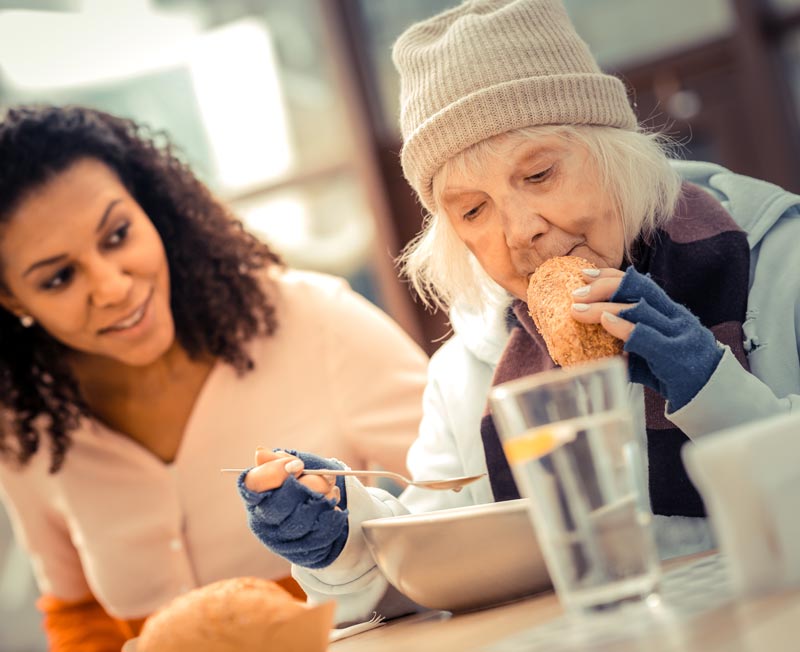
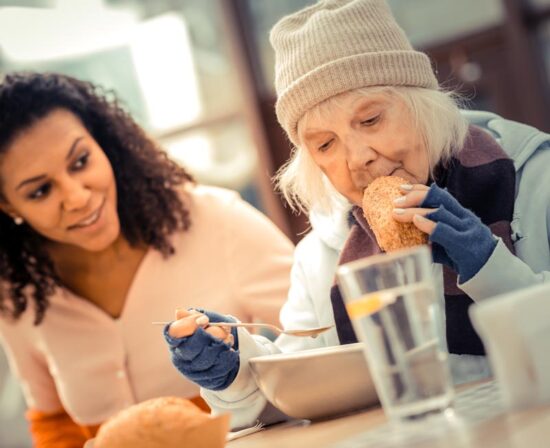
Anti-aging is not only a buzzword but a multimillion-dollar industry. Despite the many advertising claims and promises, we all experience physical and bodily changes as we age. As a person advances in years, the basic activities of daily of living can become more difficult with food shopping, meal preparation, cooking, and clean up right on the top of the list. Rather than deal with all that is involved in preparing meals, many people rely on convenience and fast foods, which often are not the most nutritionally sound choices. In addition, problems with chewing, digestion, and appetite also can hinder eating. These situations may lead to compromised nutritional status, often simply referred to as malnutrition.
For people with wounds, malnutrition is a concern because it extends healing time, especially in the elderly. Malnutrition, which is generally understood to mean undernourished, can look different among patients and is often overlooked by wound care clinicians who are much more focused on topical treatments. That said, it is important to identify malnutrition as early as possible and understand the importance of referring compromised, elderly patients to a registered dietitian nutritionist (RDN) when needed.
The Risk Factors for Malnutrition
Risk factors for malnutrition include both physiologic and social changes that occur as we age.
Common risk factors include:
- Poor oral and dental health
- Cognitive impairment
- Swallowing issues
- Digestion and bowel concerns
- Mobility and balance problems
- Polypharmacy
- Overly restrictive therapeutic diets
- Depression and loneliness
- Financial worries
- Identifying Malnutrition
Wound care clinicians can assess malnutrition by using a validated screening tool. Many different screening tools are available for use in a variety of care settings. These tools typically involve asking a series of questions that the patient or family member can answer regarding body weight, appetite or lack thereof, and typical meal intake. Completion of a nutritional screening takes only a few minutes and can provide insight into how well the patient may heal.
Beyond a screening, a nutrition-focused physical exam also can help identify malnutrition and provides the basis for an official diagnosis of malnutrition. A diagnosis of malnutrition usually requires patients to have 2 of the following 6 etiology-based criteria1:
- Insufficient energy intake
- Weight loss
- Loss of muscle mass
- Loss of subcutaneous fat
- Localized or generalized fluid accumulation that may sometimes mask weight loss
- Diminished functional status as measured by handgrip strength
Perhaps the most obvious sign of a nutrition issue is a significant amount of unintended weight loss. Clinically relevant weight loss trigger points are 5% weight loss in 1 month, 7.5% in 3 months, or 10% within 6 months. These values are considered significant regardless of starting weight. Overweight and obese patients may not appear as if they are malnourished, but it is important to look beyond scale weight and focus on body composition. The extra weight is metabolically inactive adipose tissue and may mask malnutrition.
The Importance of Proper Nutrient Intake
Many elderly patients experiencing malnutrition often do not consume enough calories in a day, which limits the total energy available. The body must have the ability to mobilize energy stores for repair and recovery from a wound or trauma. When inadequate energy is available, it is difficult to maintain baseline bodily functions and heal a wound at the same time. The body will prioritize maintaining key functions such as the heart and lungs, which means wounds will heal much more slowly.2
Eating less also can mean malnourished patients are not consuming enough protein. The recommended dietary allowance for protein is 0.8 grams (g)/kilogram (kg)/day for healthy adults. For comparison, the protein intake recommendation for adult patients with wounds is between 1.25 and 1.5g/kg/day.3 When elderly patients have a wound, they generally will need higher amounts of dietary protein for recovery because protein provides the nitrogen and amino acids that help build tissue and support immune responses. Without sufficient amounts of dietary protein, the body will not have enough resources to direct toward healing a wound.2
Malnourished patients also may lack key vitamins and minerals that play vital roles in immune defenses. When patients are deficient in vitamins such as vitamin A and vitamin C or minerals such as iron and zinc, their wound-healing time may become delayed because their immune system cannot respond as efficiently as it could in a well-nourished state.
When to Refer Patients to an RDN
Patients can benefit from seeing an RDN if they are experiencing any signs or symptoms of malnutrition that are suspected of impeding wound healing. The difficulty often is that wound patients do not have access to a nutrition professional. Hospital-based wound clinics may be able to utilize the hospital dietitians. For outpatients, the Centers for Medicare & Medicaid Services and most insurance companies do cover some nutrition services, including diabetes self-management training. Acute care facilities can access an RDN simply by ordering a dietary consultation. In post-acute facilities, most patients are seen by an RDN as a matter of course.
RDNs have completed many levels of education and training established by the Commission on Dietetic Registration. In addition, most states require a professional license.
All RDNs must:
- Earn a 4-year degree, which includes a specially designed, accredited nutrition curriculum
- Complete an extensive supervised program of practice at a health care facility, food service organization, and/or community agency
- Pass a registration exam
- Maintain continuing education credits throughout their career
Approximately half of RDNs hold graduate degrees (soon new graduates will need a minimum of a master’s degree), and many have certifications in specialized fields, such as nutrition wound care. They can help establish a care plan that addresses problems such as unintended weight loss, changes in diet or eating habits, and chronic diseases.
The Bottom Line
If wounds are healing slower than expected, malnutrition is possibly the cause. Consulting a nutrition professional can help with complex issues and help move patients toward a more optimal nutritional status.
Nancy Collins, PhD, RDN, LD, NWCC, FAND, is a wound care certified registered dietitian nutritionist based in Las Vegas, NV. Dr. Collins is well known for her expertise in the complex relationship between malnutrition, body composition, and tissue regeneration. To contact Dr. Collins, visit her website at www.drnancycollins.com.
Ame Proietti is a career-changing dietetic student at the University of Arizona. She plans to pursue her interest in nutrition communications.

- White JV, Guenter P, Jensen G, Malone A, Schofield M; Academy Malnutrition Work Group, A.S.P.E.N. Malnutrition Task Force, A.S.P.E.N Board of Directors. Consensus statement: Academy of Nutrition and Dietetics and American Society for Parenteral and Enteral Nutrition: characteristics recommended for the identification and documentation of adult malnutrition (undernutrition). JPEN J Parenter Enteral Nutr. 2012;36(3):275-283. doi:10.1177/0148607112440285.
- Demling RH. Nutrition, anabolism, and the wound healing process: an overview. ePlasty. 2009;9:65-94. http://www.medscape.com/viewarticle/711879.
- National Pressure Ulcer Advisory Panel, European Pressure Ulcer Advisory Panel, Pan Pacific Pressure Injury Alliance. Prevention and Treatment of Pressure Ulcers/Injuries. Haesler E, ed. EPUAP/NPIAP/PPPIA; 2019.