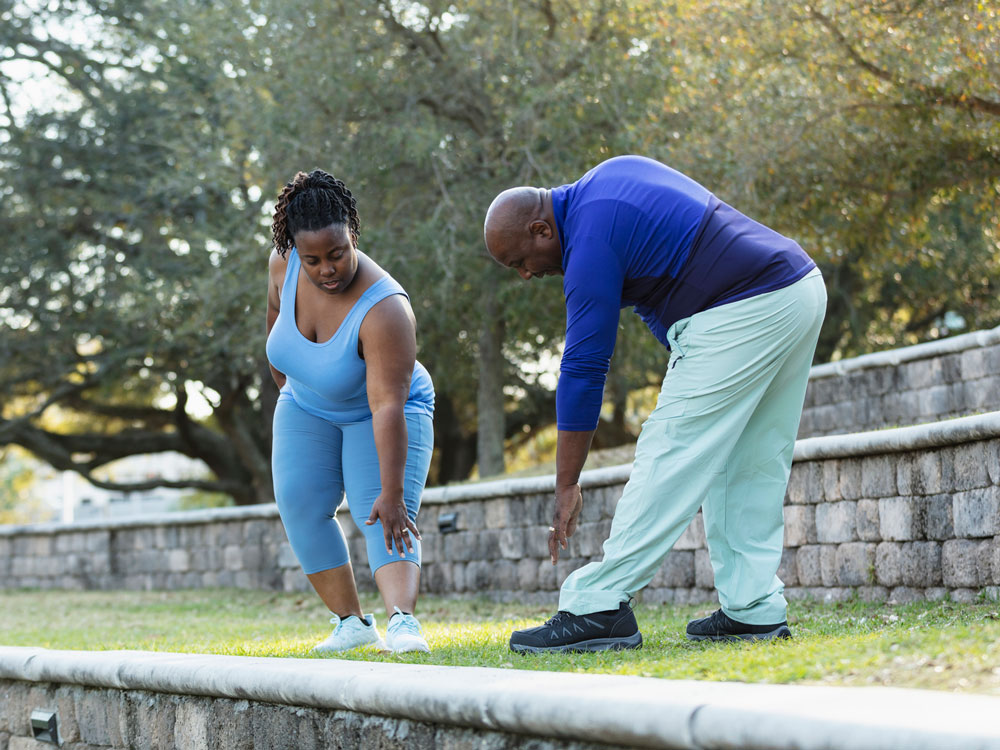








This kind of “exercise” – which is more about physical movement – is something we should all be encouraging.
By Greg Mack, ACE-CMES, RTSm, ACE-CPT
I have been involved in exercise personally and professionally since I was in grade school.
My introduction to exercise was initially through sports.
I remember doing the President’s Council on Physical Fitness assessments while in grade school in the late 1960’s. (I know, I know – I’m getting old). For those readers as ancient as I, can you remember those tests?
- Max pull-ups
- V-sit-and-reach
- Sit-ups (one minute)
- 30-foot shuttle run
- One-mile run
There were comparisons for each test that placed the individual in some percentile of a normative value system. This set of supposed tests of fitness were the standard in schools for decades. They underwent some changes in the 80’s and I think are now known as “Let’s Move.”
The idea that fitness is attached to some performance standard is alive and well. In the modern philosophy of exercise process, known as “functionalism”, the exercise and fitness enthusiasts are all considered “athletes.” This notion of exercise being an athletic endeavor, and that all exercisers are treated as (and should consider themselves) athletes, dominates the fitness – and even physical therapy – landscape.
I think sports has hijacked exercise.
I think this is a mistake.
Now, don’t get me wrong. I understand and support that athletic individuals participating in sports need to exercise. I understand that athletes working to achieve high levels of physical capabilities use the exercise process in ways that a non-athlete might never even consider, let alone need, to achieve a modicum of fitness. But, athletes seem to accumulate physical injury. When the exercise process expects the exerciser to push their limits in order to squeeze out ever-increasing physical performance feats, an injury is not far behind. Getting injured using exercise for general fitness is not fitness. Why would a non-athlete want to pursue exercise under these conditions?
It sometimes seems as if the modern message of “everyone is an athlete” coming from the exercise and fitness community to the general population, most of which are not athletes and have no interest in sports, dissuades the non-athlete from pursuing exercise. The images used to promote exercise are composed of athletes pushing their physical limits and expressing the pain and discomfort that comes with that pursuit. This can be intimidating to the non-athlete. The exercise processes used to exercise individuals under the “everyone is an athlete” paradigm are high risk and unnecessary for general fitness and wellness.
My thesis is this: The message and delivery of exercise and fitness as an athletic endeavor complicates the already difficult process of getting more individuals to start and maintain an appropriate lifelong exercise process that achieves the powerful benefits regular exercise can bestow. Here regular exercise means basic physical activity, getting the body moving. For LER readers, it translates to Movement is essential.
My answer is this: The modern message needs to be more balanced in order to avoid stereotyping exercise as only for those that are athletically inclined. One that presents images of average everyday folks moving their bodies and enjoying non-athletic physical pursuits. It is our responsibility as exercise and healthcare providers to stimulate and inspire more of the general population to engage in a regular and reasonable process of exercise. One that does not tell them that they have to be an athlete, nor will be treated like one during exercise whether they like it not. Let’s create messaging that encourages and exhorts participation in all types of movement at all levels for all classes. Let’s move away from just offering a protocol based athletic exercise process. Let’s customize the process to not just the client’s physical needs but their mental perspective of self and how they want to experience movement and exercise.
Greg Mack is a gold-certified ACE Medical Exercise Specialist and an ACE Certified Personal Trainer. He is the founder and CEO of the corporation Fitness Opportunities. Inc. dba as Physicians Fitness and Exercise Professional Education. He is also a founding partner in the Muscle System Consortia. Greg has operated out of chiropractic clinics, outpatient physical therapy clinics, a community hospital, large gyms and health clubs, as well as operating private studios. His experience in working in such diverse venues enhanced his awareness of the wide gulf that exists between the medical community and fitness facilities, particularly for those individuals trying to recover from, and manage, a diagnosed disease. (http://www.physicians tness.com/) (http://www.exerciseproed.com/) (http://www.musclesystemconsortia.com/). This article is an update from Mack’s entry on the blog for the Medfitness Network, one of LER’s partners.
Benefits of Physical Activity
In its 2018 report, the Physical Activity Guidelines Advisory Committee found robust evidence to show that:
- There is a dose-response relationship between sedentary behavior (SB) and all-cause and cardiovascular disease (CVD) mortality risk, as well as a direct relationship with CVD, type 2 diabetes (T2D), and certain cancers. However, the risk associated with SB can be attenuated with greater amounts of moderate-to-vigorous physical activity (MVPA).
- PA lowers weight and fat gain and is associated with better bone health, even in children as young as 3 years.
- In older adults, multicomponent PA reduces risk of fall-related injuries; aerobic and multicomponent PA and balance activities improve physical function in the general population, as well as in those with frailty or other chronic conditions.
- Regular PA helps reduce the incidence of hypertension.
- Both the risk of Type 2 Diabetes and the risk of its progression to severe complications including amputation can be reduced with MVPA, aerobic, and dynamic resistance exercise—independent of weight status.
- PA prevents weight gain and helps maintain healthy body weight in both adults and children and is strongest for those who spend >150 min/week in moderate-intensity activity.
- PA improves cognitive function across the lifespan, quality of life, symptoms of anxiety and depression, and sleep.
Source: DiPietro L, Buchner DM, Marquez DX, Pate RR, Pescatello LS, Whitt-Glover MC. New scientific basis for the 2018 U.S. Physical Activity Guidelines. J Sport Health Sci. 2019;8:197-200.