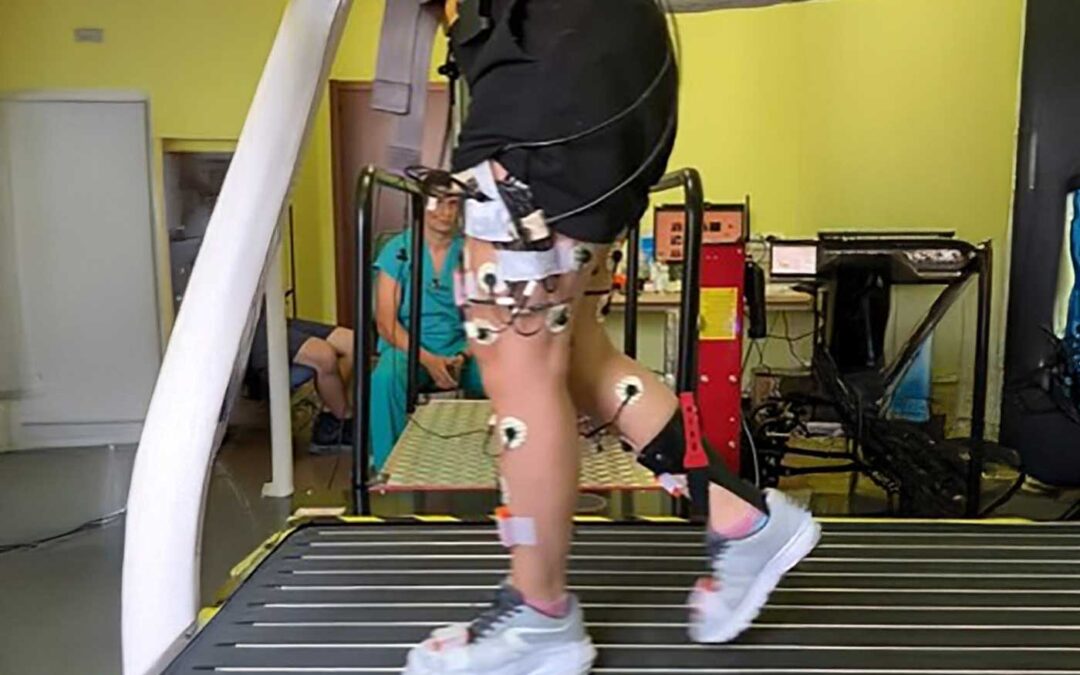








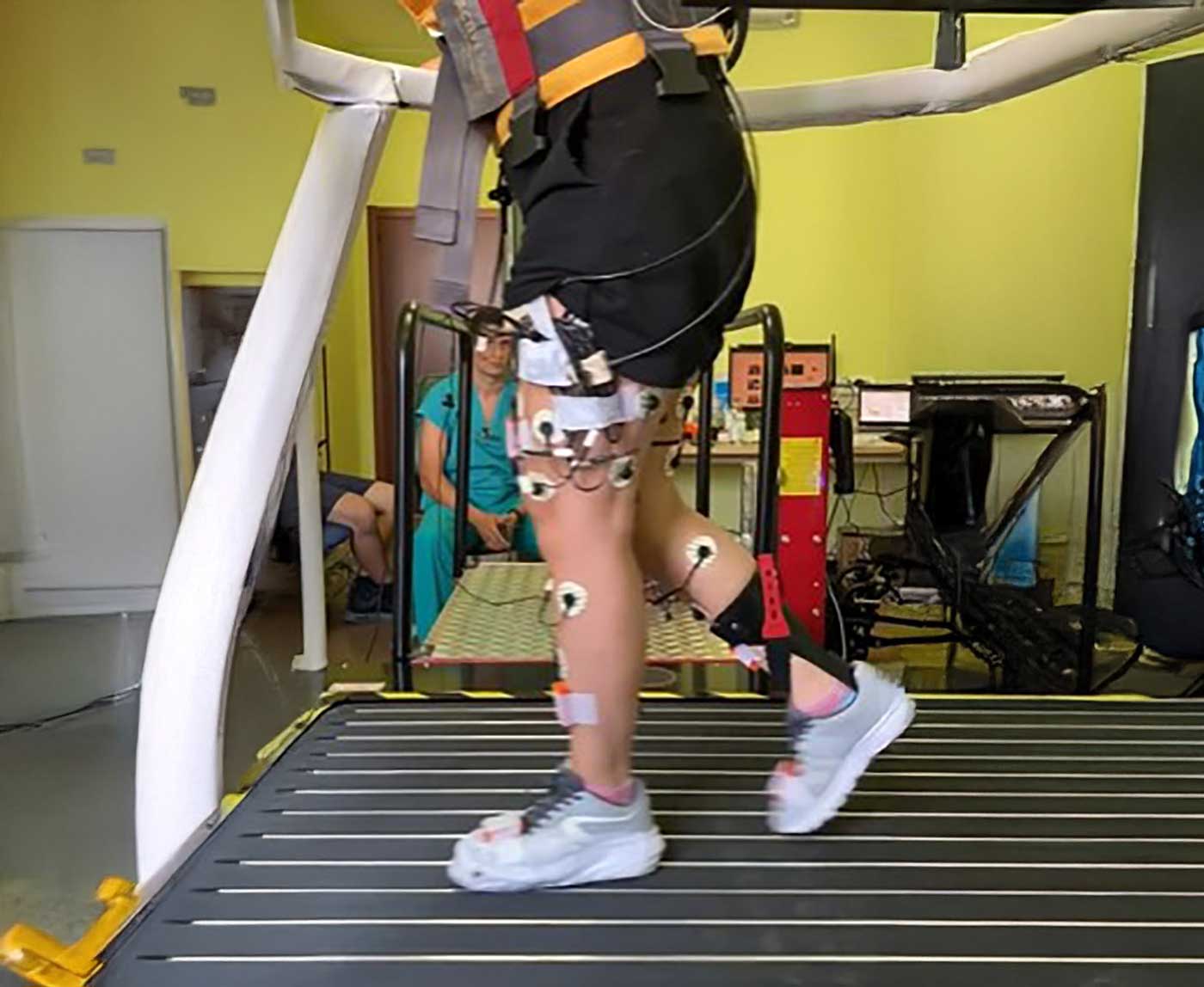
“This is a safe and effective surgical procedure that offers a new perspective in the treatment of patients with severe damage to the spinal cord,” said Pietro Mortini, MD, head of the neurosurgery and stereotactic radiosurgery unit at IRCCS Ospedale San Raffaele (Milan) and full professor of neurosurgery at the University Vita-Salute San Raffaele.
Electrical stimulation of the spinal cord is a promising strategy for reestablishing walking after spinal cord injury (SCI), recent studies show. But for patients suffering from muscle spasms, the stimulation protocols have a limited effect due to the unpredictable behavior of involuntary muscle stiffness related to spasticity. Muscle spasticity affects almost 70% of patients with SCI.
Now, scientists at École Polytechnique Fédérale de Lausanne (EPFL), Switzerland; Università San Raffaele, Italy; and Scuola Sant’Anna, Italy, have found a way to address and reduce muscle spasticity in patients with incomplete SCI. It involves zapping the spinal cord with high-frequency electrical stimulation that blocks the abnormal muscular contractions. This high-frequency treatment gives patients suffering from spasticity access to rehabilitation protocols that were previously inaccessible to them with a very good clinical outcome.
“We’ve found that high frequency electrical stimulation of the spinal cord, coupled with the usual continuous, low-frequency spinal stimulation, is effective during rehabilitation after spinal cord injury, overcoming muscular stiffness and spasms in paralyzed patients and effectively assisting the patients during locomotion,” said Silvestro Micera, PhD, professor at EPFL’s Neuro X Institute and Scuola Sant’Anna.
Electrical stimulation of the spinal cord is an indirect way to reach the motor neurons that make muscles move. That’s because the backside of the spinal cord contains sensory neurons which in turn communicate with the motor neurons. In muscle spasticity, it is known that the spinal sensory-motor circuits are overreactive. By indirectly stimulating the motor circuits, the research team has found that high-frequency stimulation of the spinal cord is an artificial and safe way to inhibit that over-reactivity without producing discomfort in patients.