
Understanding Hypotonia

Understanding Hypotonia

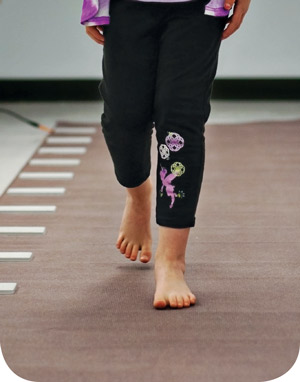
Diagnostic challenges should not delay clinical intervention – Hypotonia, or abnormally low muscle tone, is by itself not a disorder but a symptom of an enormous array of issues—many of which can be difficult to diagnose accurately.

By Christina Hall Nettles
read more
Gait: The Cornerstone of Intervention

Gait: The Cornerstone of Intervention

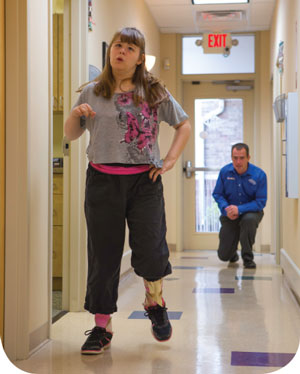
Quantifying the effects of hypotonia starts in the clinic – Effective management of children with hypotonia requires an understanding of how the condition affects gait. Clinicians typically rely on their professional experience when discussing the effects of hypotonia on gait in pediatric patients, partly because they trust that experience…

By Cary Groner

read more
Orthotic success stories: Four cases in a series

Orthotic success stories: Four cases in a series

Each child in this case series was assessed every other week for 16 weeks (12 weeks for one patient who moved out of state) to determine mastery of items 23, 26-28, 30-39, 41, 42, and 45 (ranging from “pull to stand” to “run”) on the Peabody Developmental Motor Scale. Test instructions were modified as needed for children to understand them …

By Megan Smith, CO

read more
Understanding Hypotonia

Understanding Hypotonia

Diagnostic challenges should not delay clinical intervention
Hypotonia, or abnormally low muscle tone, is by itself not a disorder but a symptom of an enormous array of issues—many of which can be difficult to diagnose accurately. Even in the absence of a specific underlying diagnosis, however, children with hypotonia can benefit from clinical intervention.

By Christina Hall Nettles

read more
Gait: The Cornerstone of Intervention

Gait: The Cornerstone of Intervention

Quantifying the effects of hypotonia starts in the clinic
Effective management of children with hypotonia requires an understanding of how the condition affects gait. Clinicians typically rely on their professional experience when discussing the effects of hypotonia on gait in pediatric patients, partly because they trust that experience, but also because so little research has actually elucidated these effects.

By Cary Groner

read more
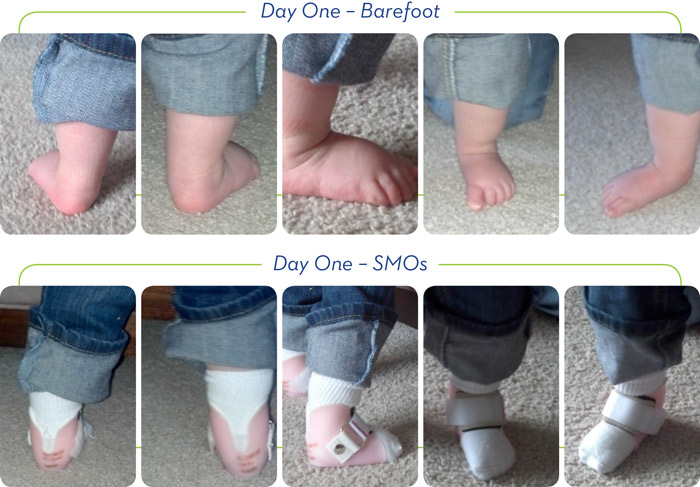
Orthotic success stories: Four cases in a series

Orthotic success stories: Four cases in a series

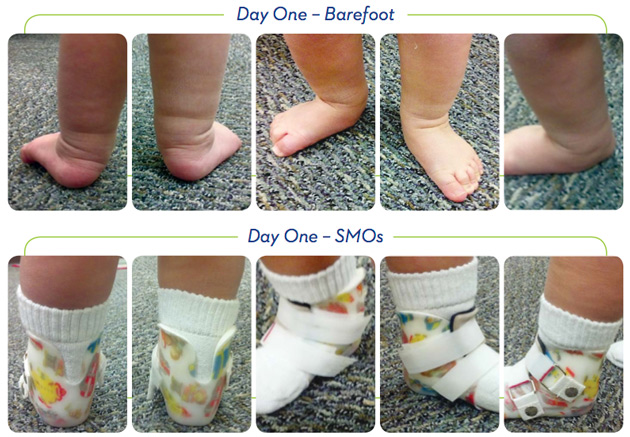
Each child in this case series was assessed every other week for 16 weeks to determine mastery of items 23, 26-28, 30-39, and 41 (ranging from “pull to stand” to “walk fast”) on the Peabody Developmental Motor Scale. Test instructions were modified as needed for children to understand them. Parents were included in each session and encouraged to play with the child in order to demonstrate the targeted skills. Graphs illustrate age of mastery for each item number for the hypotonic child compared to a “typical” child, with linear trend lines illustrating rate of change, and demonstrate the improved mastery of skills after prescription of supramalleolar orthoses (SMOs). The cases will be presented in September at the O&P World Congress in Orlando, FL.

By Megan Smith, CO

read more

Join

Subscribe For Updates

Stay in the loop with the latest news and updates! Subscribe now to receive exclusive content, special offers, and important announcements straight to your inbox. Don’t miss out – join our community today for all the latest updates delivered directly to you.