Dance-related Injuries on the Rise

Dance-related Injuries on the Rise

Dancing can be a beautiful work of art, a great form of exercise, or a fun leisure activity. But increasingly, it is also the cause of injuries requiring an emergency room visit. Such visits rose by 22.5% from 2014 to 2018, according to new research presented at the 2020 NATA Virtual Clinical Symposia & AT Expo held July 2020. Nearly half of the patients reported to the emergency department with a sprain or…

read more
Movement Control Differs with Age in Children

Movement Control Differs with Age in Children

Movement control, the ability to control one’s own movements, is required for the development of motor skills and motor skills (also known as “physical literacy”) are critical for normative development. Movement skills help children improve their strength, posture, balance, and sleep, and play in role in developing confidence. Age-appropriate movement control may play a factor in lower extremity injuries which are known to…

read more
Sport Specialization Ups Fracture Risk for Female Military Cadets 

Sport Specialization Ups Fracture Risk for Female Military Cadets 

Early sports specialization appears to take an even greater toll on young females than previously thought. Research presented at the recent 2020 NATA Virtual Clinical Symposia & AT Expo suggests that prior sports specialization is associated with an increased risk of a lower extremity stress fracture in female U.S. Service Academy cadets, but not males during their first year of service.

read more
Exploring 3D printing in Prosthetics

Exploring 3D printing in Prosthetics

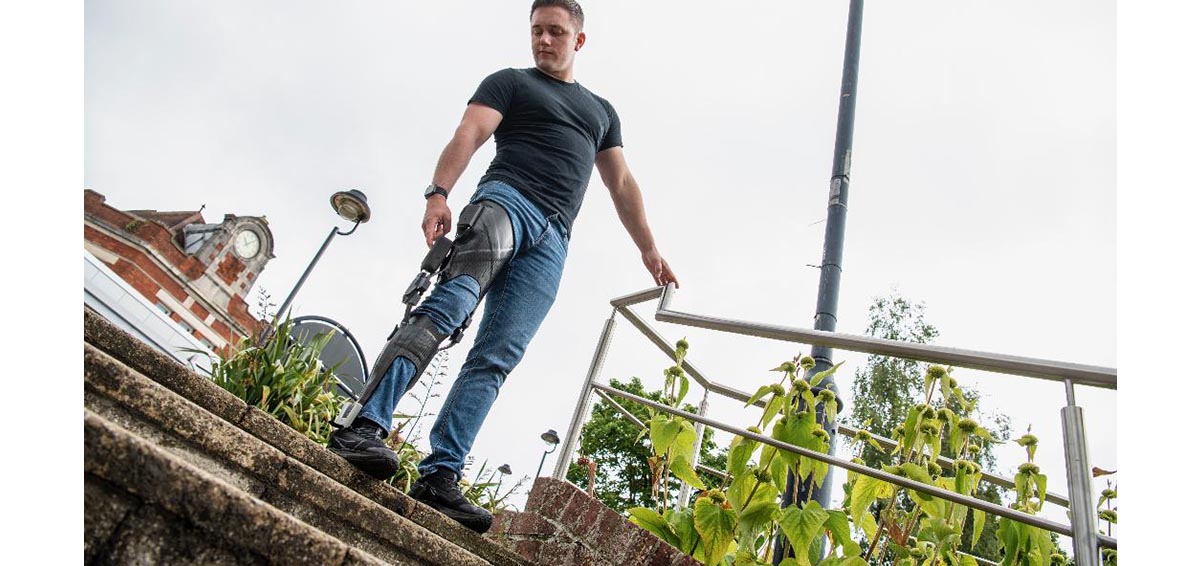
3D-printed Sockets Safe? There are approximately 2 million people living with an amputation in the United States, a number that is expected to increase to 3.6 million by 2050 according to recent studies. In the poster, “Clinical Trial Examining Safety and Feasibility of Definitive 3D-Printed…

By Keith Loria

read more
Office-based Toe Amputations Are Safe and Efficient

Office-based Toe Amputations Are Safe and Efficient

As patients seek more affordable care options, moving surgical procedures from the hospital-based operating room to less expensive, more convenient locations is one tactic being explored. But can such procedures be done safely in these outpatient settings? New research from Podiatrists in the Department of Surgery at the Southern Arizona Veteran Affairs Health Care System provides evidence that they can…and that patients like the convenience.

read more
Negative Pressure Wound Therapy Creates Positive Clinical Outcomes in an Outpatient Setting

Negative Pressure Wound Therapy Creates Positive Clinical Outcomes in an Outpatient Setting

A new, disposable negative pressure wound therapy (NPWT) system effectively reduced the volume of varied wound types on four patients in an outpatient setting, reported Windy Cole, podiatrist at University Hospitals Ahuja Medical center, in a poster entitled, Management of Small, Lower Extremity Wounds in the Ambulatory Setting Using a Disposable, Mechanically Powered Negative Pressure Wound Therapy System.

read more
K-Tape Could Be Helpful in Treatment of Dancers

K-Tape Could Be Helpful in Treatment of Dancers

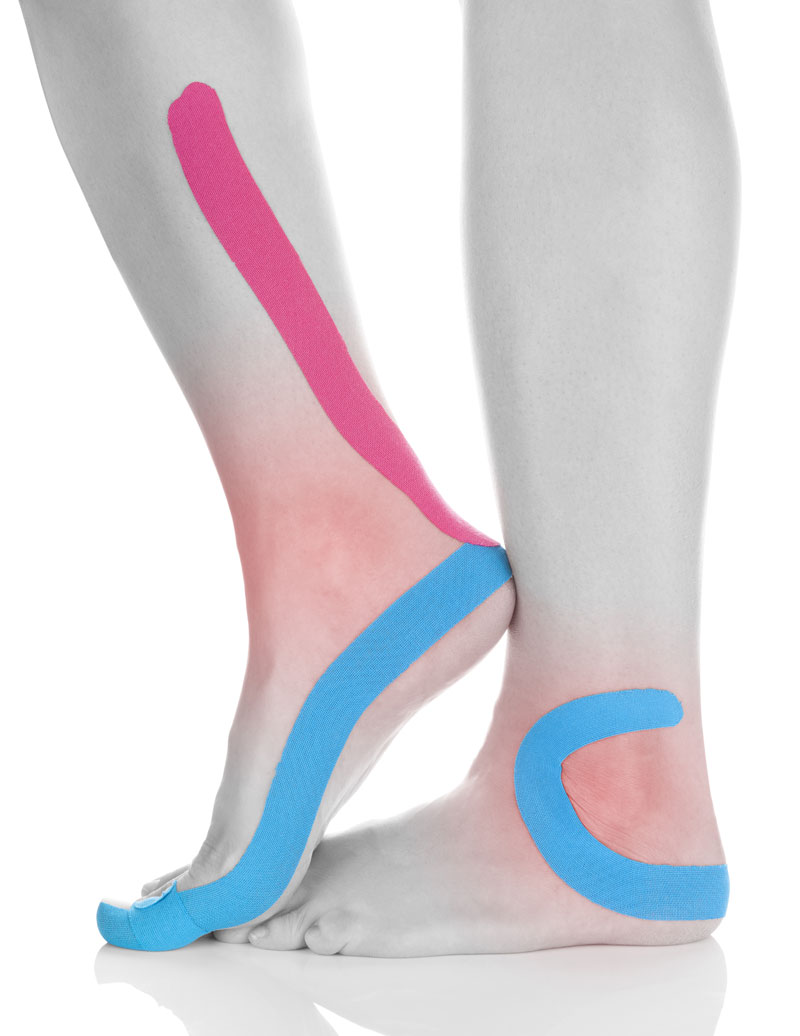
Nearly 70% of university level ballet and modern dancers report ankle sprains, and 75% have been identified as having chronic ankle instability (CAI). Yet, unlike collegiate football or basketball players, half do not receive medical care for these injuries. Why not? White ankle tape, braces, and boots do not help a dancer improve live performance.

read more
Resistance Bands, BAPS, or Combo—All Work Well in CAI Rehab

Resistance Bands, BAPS, or Combo—All Work Well in CAI Rehab

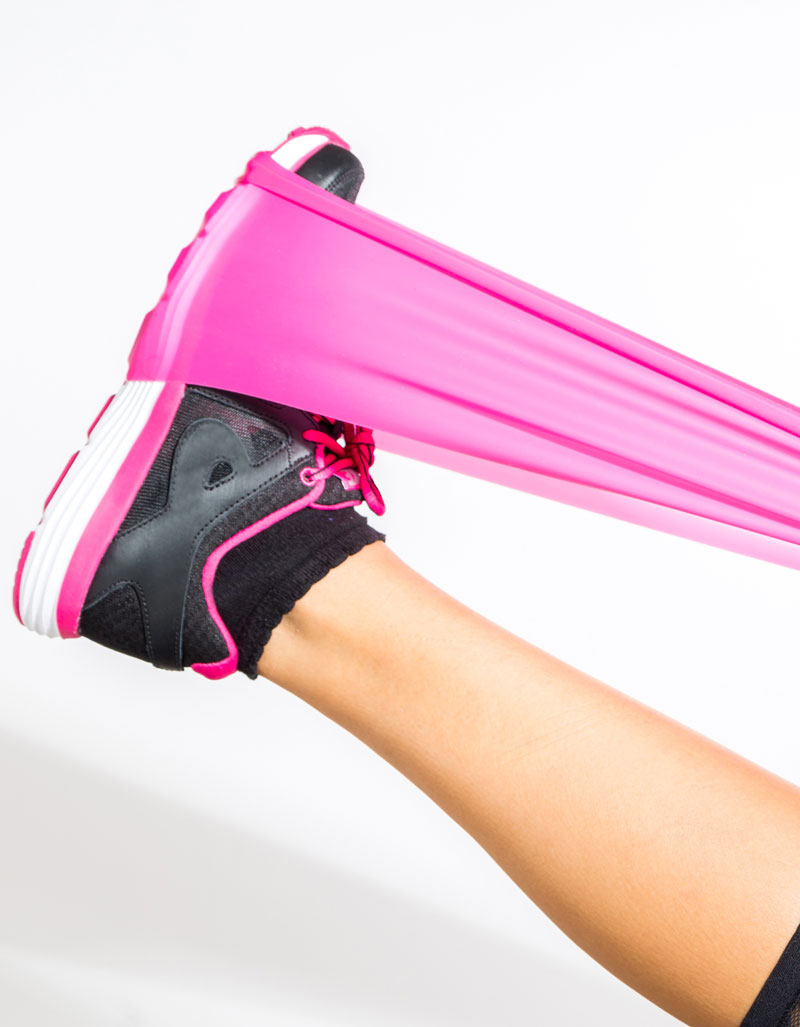
Three 10- to 20-minute sessions per week for 4 weeks of resistance bands, BAPS board, or a combination of the two, worked equally well as rehabilitative treatment for chronic ankle instability (CAI) in high school and adolescent athletes, according to the findings presented in the poster, A Randomized Controlled Trial Investigating the Effects of a 4-Week Ankle Rehabilitation Program on…

read more
Ankle ROM in CAI

Ankle ROM in CAI

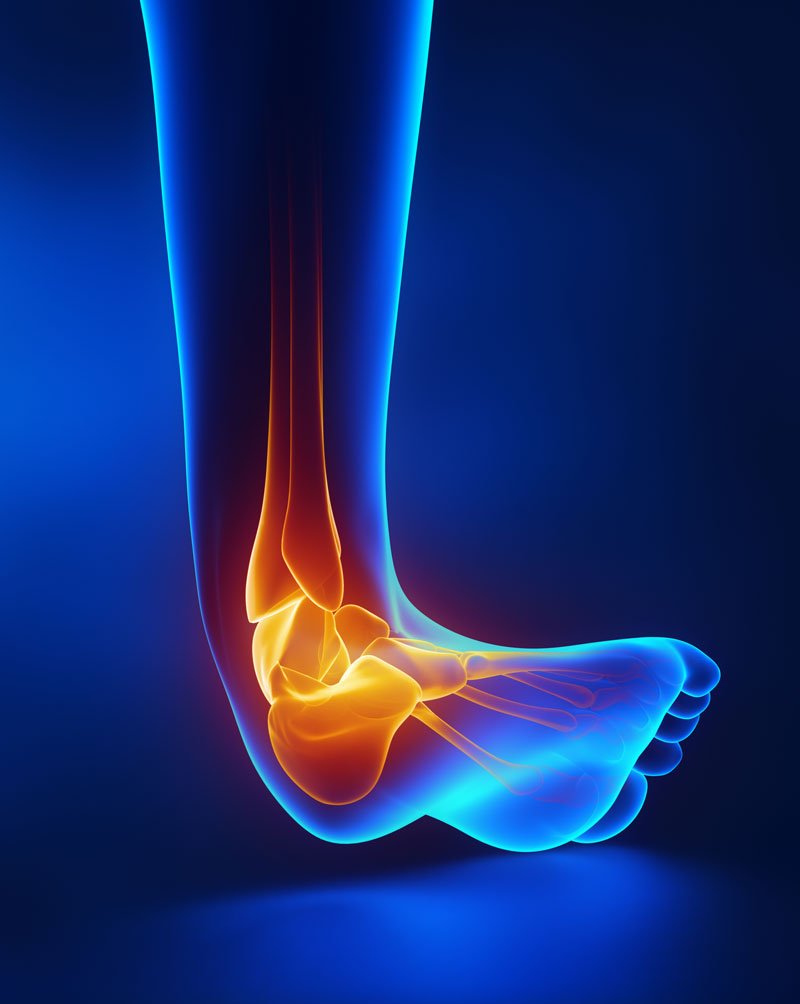
As part of a larger investigation and evolution of rehabilitation paradigms for those with chronic ankle instability (CAI), Cameron J. Powden, PhD, LAT, ATC, assistant professor, Department of Applied Medicine and Rehabilitation at Indiana State University, led a research team with colleagues from the…

read more

Join

Subscribe For Updates

Stay in the loop with the latest news and updates! Subscribe now to receive exclusive content, special offers, and important announcements straight to your inbox. Don’t miss out – join our community today for all the latest updates delivered directly to you.