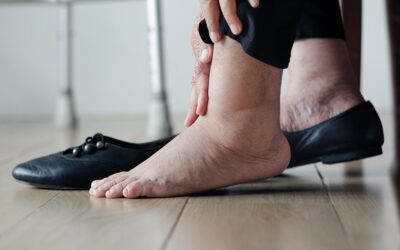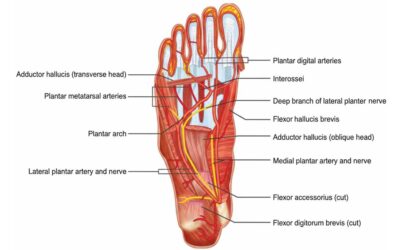
Diabetic peripheral neuropathy (DPN) is a common and serious complication of diabetes mellitus, affecting sensory, motor, and autonomic nerves. It increases the risk of foot ulceration and falls. Management typically involves preventive strategies like patient education, risk stratification, and regular foot screenings.

Lower Extremity Review
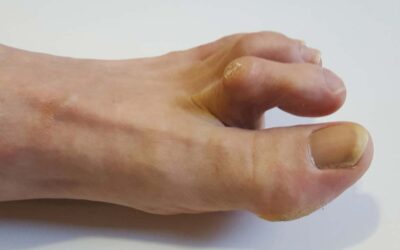
Long Term Outcomes After Flexor Tendon Tenotomy of the Diabetic Foot
Hammertoes are one of not the most common deformities that afflicts the diabetic foot and leads to increased risk of diabetic foot ulcers. Flexor tendon tenotomy treatment of the diabetic hammertoe has gained increased interest and is now recommended in international guidelines as a treatment of hammertoes to prevent diabetic foot ulcers.
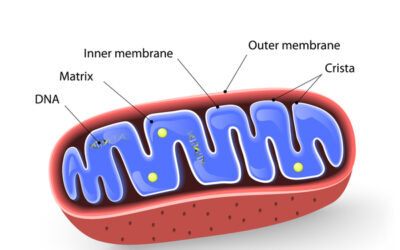
MTPD due to HADHA Variants Masquerading as Charcot-Marie-Tooth Disease
Mitochondrial trifunctional protein deficiency (MTPD) is an inherited disorder of fatty acid β-oxidation caused by mutations in HADHA or HADHB genes. It typically presents with cardiomyopathy or hepatic failure in early childhood; however, it may rarely present in adulthood with the neuromyopathic form.
Exergame Program Improves Gait in People with Parkinson’s Disease
Gait impairments are among the most common and disabling symptoms of Parkinson’s disease and are especially aggravated in dual-task conditions. Interventions with conventional physical therapy improve gait cadence and speed, cognition, fear of falling, and freezing of gait. However, exergames have attracted interest in the treatment of people with Parkinson’s disease due to the characteristics of the…
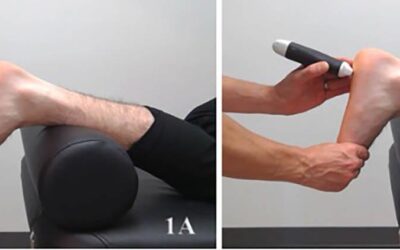
Diagnostic Musculoskeletal Ultrasound for Plantar Fascia
The plantar fascia is composed of fibrous connective tissue that forms a band running from the calcaneal tubercle distally to the toes. One of its main roles is to provide passive support to the medial longitudinal arch on the sole of the foot. This support is compared to a tie-rod tension producer during weight bearing. When loaded excessively during vocational or athletic activities, overuse in the form of…
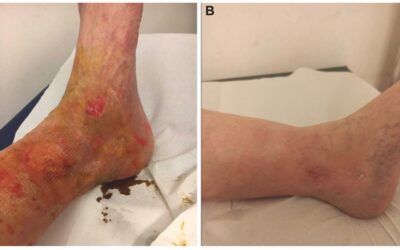
Ozone Successful Treatment of Venous Leg Ulcers and Diabetic Foot Ulcers
Venous leg ulcers (VLUs) and diabetic foot ulcers (DFUs) are chronic wounds associated with significant morbidity, high recurrence rates, and poor healing outcomes. Conventional treatments often fail to achieve satisfactory results, leading to prolonged pain, infection risks, and reduced quality of life. Oxygen-ozone therapy (OOT) has emerged as a potential adjunct to conventional wound care, with…
Achilles Tendon Stiffness and Jumping: Comparative Study of Soccer and Basketball Athletes
Tendon properties influence athletic performance, and Achilles tendon (AT) stiffness correlates with an athlete’s jumping performance across sports. This study examined the relationship between AT stiffness and jumping performance in male athletes. Sixty-six males (24.9 ± 4.7 years; 22 basketball players (22.0 ± 4.1 years), and 44 soccer players (26.3 ± 4.4 years) participated.
Plantar Pressure in Recreational Athletes Running in Maximal and Traditional Shoes
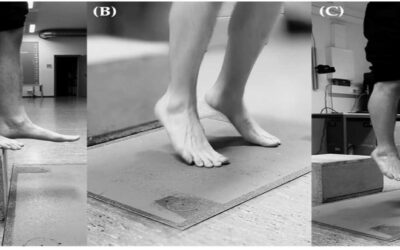
Running is a popular competitive and recreational activity with numerous health benefits, including reduced risk of cardiovascular disease and all-cause mortality, and improved mental health. Despite these benefits, running continues to carry a high risk of injury. The primary objective of this study was to compare plantar pressure (peak forefoot and rearfoot pressure, center of pressure displacement and distance) between maximal…
Is Local Steroid Injection Predictive of Patient Response to Endoscopic Plantar Fascia Release
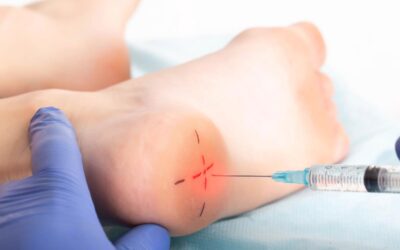
Plantar fasciitis is a very common issue with many treatment options. The purpose of this study was to investigate if patient’s response to previous local steroid injection is predictive of their response to endoscopic plantar fascia release in regard to pain relief, functional recovery, and patient satisfaction. Researchers hypothesized that previous temporary improvement in response to local corticosteroid injection is…
Indoor VS. Regular Custom-Made Footwear for Diabetics at High Risk Of Foot Ulceration
Custom-made footwear designed specifically for indoor use increases footwear adherence in people with diabetes at high ulcer risk. The design and biomechanical requirements of such footwear are important if they are to safely replace regular custom-made footwear for indoor use. Researchers aimed to compare indoor-specific versus regular custom-made footwear for design characteristics and biomechanical function.
Partial Nail Avulsion With or Without Phenolization for Ingrown Toenails
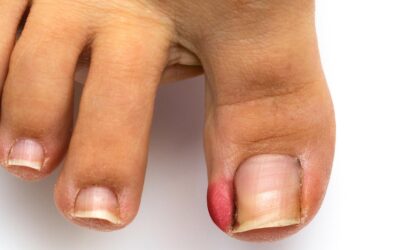
Ingrown toenails, a common and often painful condition, frequently require surgical intervention for effective management. This study aimed to compare the clinical outcomes of partial nail avulsion (PNA) with and without adjunctive phenolization, specifically focusing on recurrence and postoperative wound infection rates.
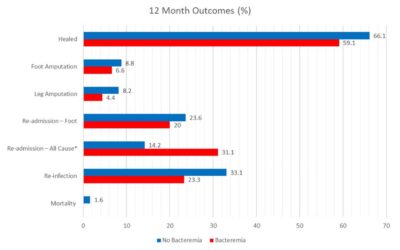
Diabetic Foot Infection in Relation to Bacteraemia and Endocarditis
Diabetic foot infections (DFIs) are one of the most important components causes for foot related hospitalization, surgery and lower extremity amputation. In addition to foot specific complications, DFIs are also associated with an increased risk of systemic complications such as acute kidney injury, central line infections, bacteraemia and endocarditis.
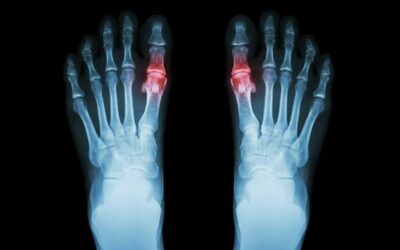
First MTP Joint-Preserving Surgery for Forefoot Deformity in Patients with RA
Arthrodesis of the first metatarsophalangeal (MTP) joint has been the gold standard for surgical treatment, particularly in cases of advanced joint destruction. This procedure is favored for its effectiveness in alleviating pain and improving function, despite sacrificing joint mobility. This study compares the clinical outcomes of first MTP joint…
Diagnostic Advancements in Early Detection of Diabetic Neuropathy
Diabetic neuropathy (DN) is a widespread complication of diabetes, affecting nearly 50% of individuals with the condition. It commonly begins with the gradual loss of sensation in the lower extremities, particularly in the feet. If left undetected and untreated, this loss of sensation can lead to serious consequences, such as…
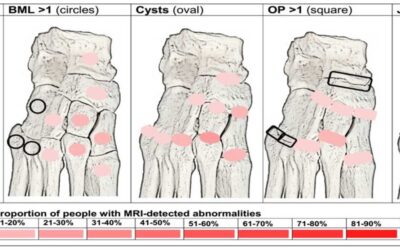
Study Compares Clinical and MRI Findings for Midfoot Pain
Midfoot pain is common but poorly understood, with radiographs often indicating no anomalies. This study aimed to describe bone, joint and soft tissue changes and to explore associations between MRI-detected abnormalities and clinical symptoms (pain and disability) in a group of adults with midfoot pain, but who were radiographically negative for osteoarthritis.
Join
Subscribe For Updates
Stay in the loop with the latest news and updates! Subscribe now to receive exclusive content, special offers, and important announcements straight to your inbox. Don’t miss out – join our community today for all the latest updates delivered directly to you.