The American Board for Certification in Orthotics, Prosthetics & Pedorthics (ABC) has granted a Five-Year Central Fabrication Accreditation to Arizona AFO, the Mesa, AZ-based company announced on October 1.
Lower Extremity Review
Ultramarathoner re-ups with Pro-Tec
Redmond, WA-based Pro-Tec Athletics announced in September that it has re-signed Scott Jurek for an additional two years to its team of professional athletes. Jurek, a champion ultramarathoner who has been on the Pro-Tec team for more than seven years and is author of the New York Times bestseller Eat & Run, will work closely with Pro-Tec to help educate runners about recovery and performance.
iQube facilitates insoles for children
A Russian orthopedist at the Saint Petersburg State Paediatric Medical University combined data from Delcam’s iQube scanner with 3D spine and posture analyses and then used the company’s software to create custom orthotic insoles for children with locomotor disorders, Birmingham, UK-based Delcam announced in October.
Location, location: High pressures don’t predict all ulcers
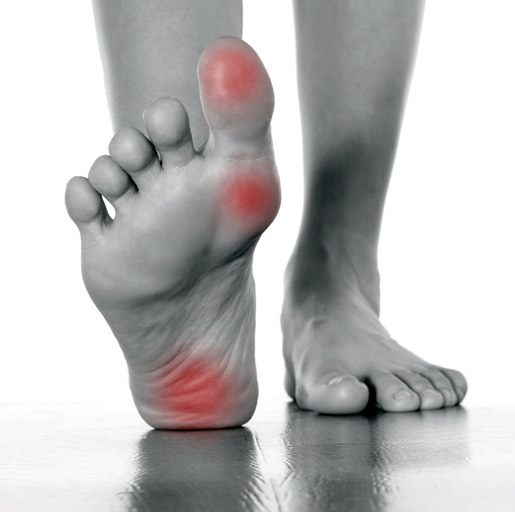
Practitioners often deem all areas of elevated peak plantar pressure in patients with diabetes at some risk for ulceration. A study published in September, however, suggests this risk varies with the specific location of pressure, and investigators say findings highlight the importance of monitoring plantar pressure as part of preventive care.
Neuropathy results in less sensory loss at fifth metatarsal than hallux
Clinicians should carry out quantitative vibration testing for sensory loss in patients at risk for diabetic neuropathy at the hallux, according to research that confirms the hallux undergoes greater sensory loss than the fifth metatarsal, an alternate location for vibration testing.
Imaging reveals intrinsic muscle deterioration in neuropathic feet
Diabetic neuropathy is associated with increased levels of intrinsic foot muscle deterioration, which may contribute to foot deformity and ulceration, according to research presented in September at the annual meeting of the American Society of Biomechanics in Omaha, NE.
Investigating OA: Studies revisit underlying variables
Knee osteoarthritis researchers are taking a closer look at the factors that influence knee adduction moment (KAM) and also considering the contributions of sagittal plane variables, as illustrated by studies presented in September at the American Society of Biomechanics (ASB) annual meeting in Omaha, NE.
Altered landings suggest link between neurocognitive scores, ACL injury risk
Female athletes with low neurocognitive scores are more likely than those with higher scores to demonstrate altered landing mechanics consistent with elevated anterior cruciate ligament (ACL) injury risk, according to findings that could have implications for concussion management.
Limited arch excursion characterizes individuals with patellofemoral pain
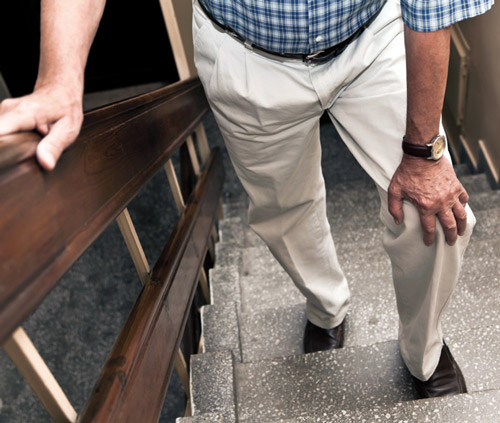
Patients with patellofemoral pain (PFP) have less medial longitudinal arch excursion during stair descent than healthy individuals, according to a Brazilian study that may help explain the effects of foot orthoses in patients with PFP.
Out on a limb: Beyond offloading
Lower extremity practitioners are constantly being reminded that what they think they know about injury prevention is only part of a bigger picture. This time it’s the diabetic foot care community’s turn to wonder just how much they have yet to learn about the mechanisms underlying ulceration.
Jordana Bieze Foster, Editor
Battlefield injuries: Saving lives and limbs throughout history
By understanding how military medicine has evolved and adapted over time, modern practitioners can better appreciate the need to question convention, advance research, and rapidly integrate beneficial new technologies into medical care.
By Christine Miller, DPM, FACCWS, Ashley Finn, and Emily Delzell
Debating the complexities of partial foot amputation
Partial foot amputations may not offer a biomechanical advantage over transtibial amputations if the metatarsal heads cannot be retained, and some experts suggest amputation level should be selected based on probability of wound healing instead. But others disagree.
By Cary Groner
Ankle arthroplasty makes strides, but issues remain
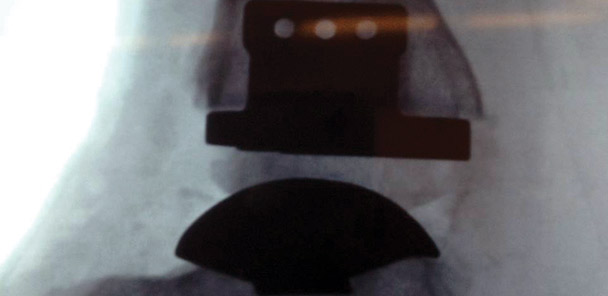
Study findings and anecdotal reports suggest that newer-generation total ankle replacement can match or exceed ankle arthrodesis when it comes to gait and range of motion, but neither procedure returns gait to normal. Implant survival has also improved, but continues to be a challenge.
By Barbara Boughton
Total hip arthroplasty: Obesity and outcomes
Total hip arthroplasty can significantly improve quality of life in obese patients, but high body mass index is also associated with higher rates of complications and readmissions than in normal-weight patients. The emerging subgroup of super-obese patients poses additional challenges.
By Raghav Rajgopal, MD, and James L. Howard, MD, MSc, FRCSC
Biofilms: Diabetic foot ulcer care gets personal
Opportunistic microorganisms called biofilms constitute an age-old diabetic wound care problem that defies traditional antimicrobial therapies. Experts believe interventions customized to individual patients based on molecular diagnostics may be the best line of defense.
By Larry Hand
Join
Subscribe For Updates
Stay in the loop with the latest news and updates! Subscribe now to receive exclusive content, special offers, and important announcements straight to your inbox. Don’t miss out – join our community today for all the latest updates delivered directly to you.