The New York Stem Cell Foundation (NYSCF) Research Institute and the Charcot-Marie-Tooth Association (CMTA) in June announced the stem cell lines resulting from their collaboration, which began in 2014, are now available to academic and commercial investigators around the world through the NYSCF Repository.
Lower Extremity Review
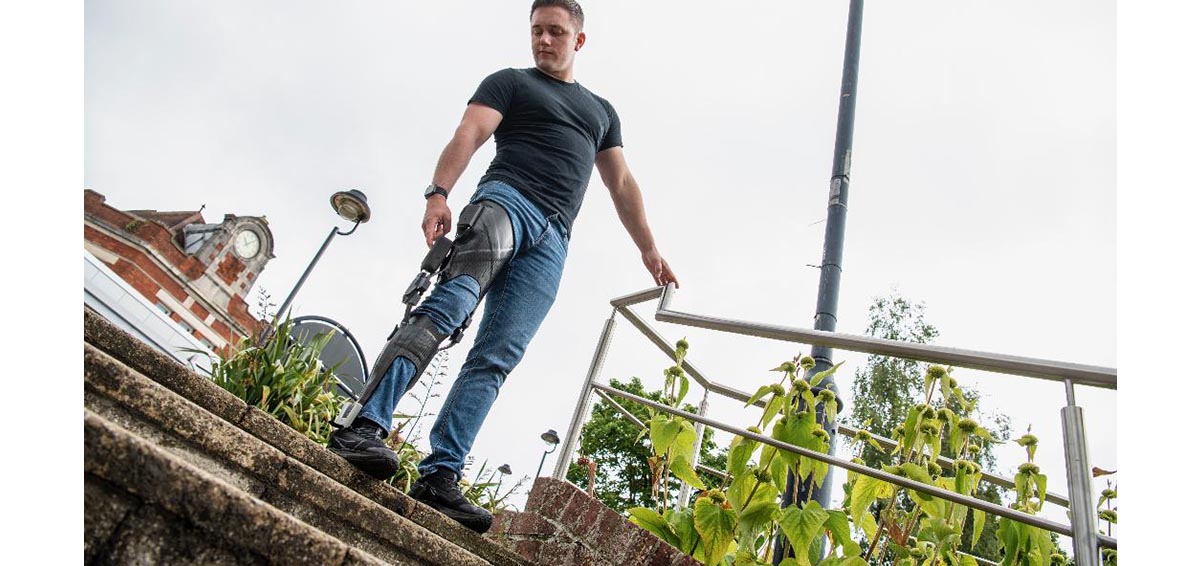
Arizona AFO introduces Mezzo brace
Arizona AFO, an OHI company, in late May introduced the Arizona Mezzo ankle foot orthosis (AFO). Developed by the Milwaukee, WI-based Wilson Janisse Group, the Arizona Mezzo was designed to fill the middle ground between…
FDA gives Cartiva implant premarket OK
Alpharetta, GA-based Cartiva reported in July that the Food and Drug Administration (FDA) has given premarket approval to its biocompatible cartilage implant designed to treat hallux rigidus. The FDA based its preliminary approval…
Joint injury’s lifelong impact: Data suggest comorbidity implications
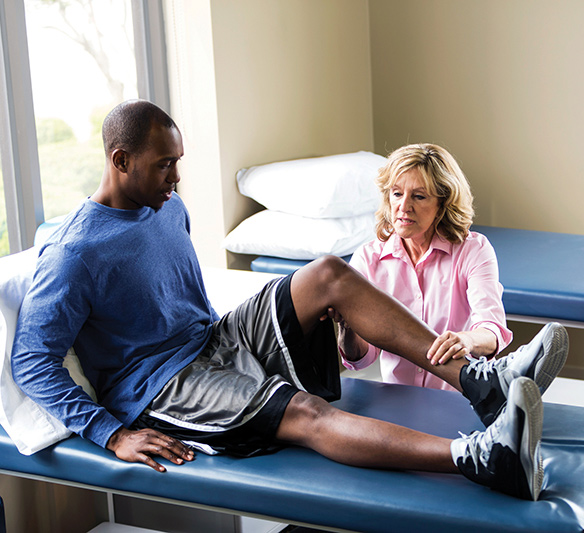
A history of knee or ankle injury is associated with an increased risk of medical issues—and not just those related to joint health—in middle age and later decades of life, according to research presented in June at the annual meeting of the National Athletic Trainers Association (NATA) in Baltimore, MD.
By Jordana Bieze Foster
Specialization, participation volume contribute to youth athlete injury risk
Sport specialization and high volumes of sports participation are significantly associated with the risk of injuries—and overuse injuries in particular—in youth athletes, according to research from the University of Wisconsin-Madison.
By Jordana Bieze Foster
Upper body position during landing affects kinetics in basketball players
In basketball players, upper extremity ball handling positions affect lower extremity kinetics during landing and should be considered when designing injury prevention and rehabilitation protocols, according to research from George Mason University in Fairfax, VA.
By Jordana Bieze Foster
Analyzing adherence: Balance predicts off-loading device use
Postural instability in patients with diabetic foot ulcers is a strong predictor of poor adherence to off-loading treatment with removable devices, according to a new multicenter study in which off-loading adherence was, in turn, a strong predictor of wound healing.
By Larry Hand
Gait differentiates healthy and diabetic controls from patients with foot ulcers
Gait mechanics in patients with diabetic foot ulcers differ from those of both healthy controls and patients with diabetes who have no history of foot ulcer, according to research from James Cook University in Queensland, Australia.
By Jordana Bieze Foster
MRI scan prior to first ray amputation not associated with reamputation risk
Obtaining an initial magnetic resonance imaging (MRI) scan prior to first ray amputation in patients with diabetes is significantly associated with a decrease in mortality rate but not reamputation rate, according to research from Staten Island, NY.
By Jordana Bieze Foster
Out on a limb: PFP pathfinding
Patellofemoral pain’s subgroup situation just got a lot more interesting, thanks to study findings presented in June at the annual meeting of the National Athletic Trainers Association in Baltimore, MD.
By Jordana Bieze Foster, Editor
Blood Flow Restriction Training: The slow-flow movement is fast becoming rehab’s hottest trend
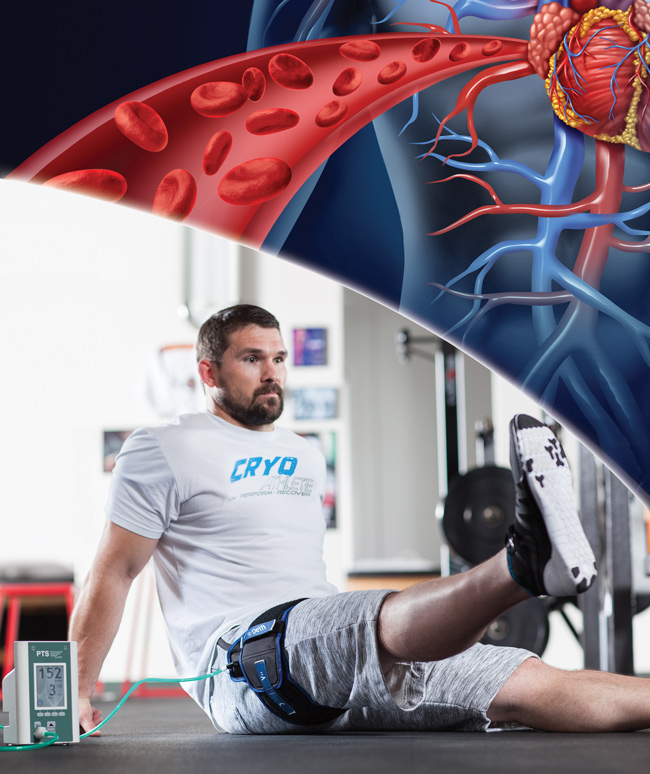
Partially occluding blood flow to the limbs, in combination with low-load resistance exercise, appears to facilitate hypertrophy and strength gains in athletes and others while protecting the joints from damaging stresses.
By Cary Groner
Understanding turf toe: The role of foot orthoses
Turf toe is a common injury in football players competing on artificial turf, but it also occurs in soccer and baseball players on natural grass and other playing surfaces. Turf toe is a sprain of the capsule of the first metatarsophalangeal (MTP) joint; increasing grades of injury may include…
By Patricia Pande, MClScPT, CSCS, CPed
New healing factors take ulcer care to the next level
Support is growing, in the medical literature and in clinical practice, for the use of skin substitutes and other advanced biologic therapies in chronic diabetic foot ulcers. But researchers and practitioners remain uncertain as to which of these advanced products are best for…
By Hank Black
Lower extremity strength and injury risk in runners
Study findings regarding strengthening interventions in runners with patellofemoral pain syndrome have been inconsistent, perhaps because specific subgroups are more responsive than others. Preliminary research suggests high school runners may make up…
By Lace Luedke, PT, DPT, PhD, OCS, CSCS
Limb length discrepancy: When, how to intervene?
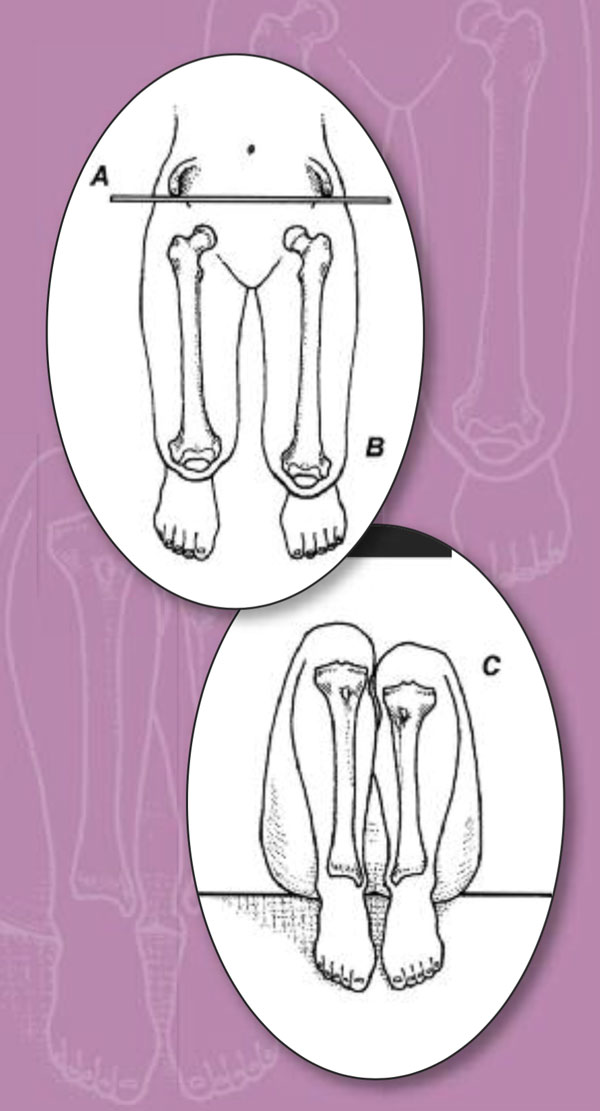
Limb length discrepancies (LLDs) as small as 1.5 cm can significantly affect gait, and some clinicians choose to intervene in cases of even smaller discrepancies. Many LLDs can be addressed orthotically, but surgical techniques are becoming less invasive and more effective.
By Cary Groner
Join
Subscribe For Updates
Stay in the loop with the latest news and updates! Subscribe now to receive exclusive content, special offers, and important announcements straight to your inbox. Don’t miss out – join our community today for all the latest updates delivered directly to you.