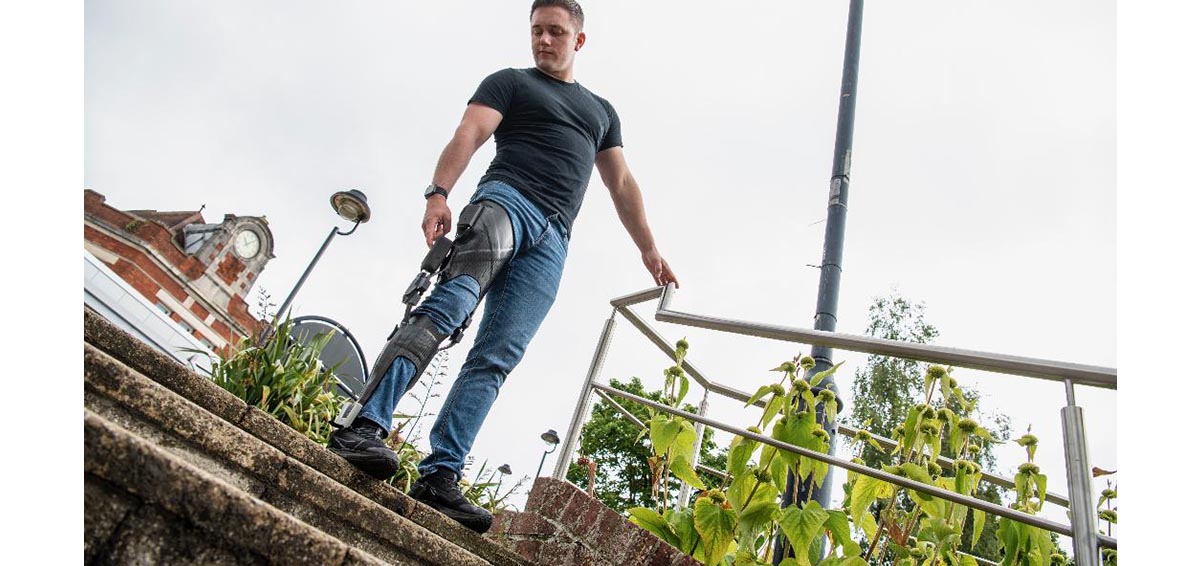
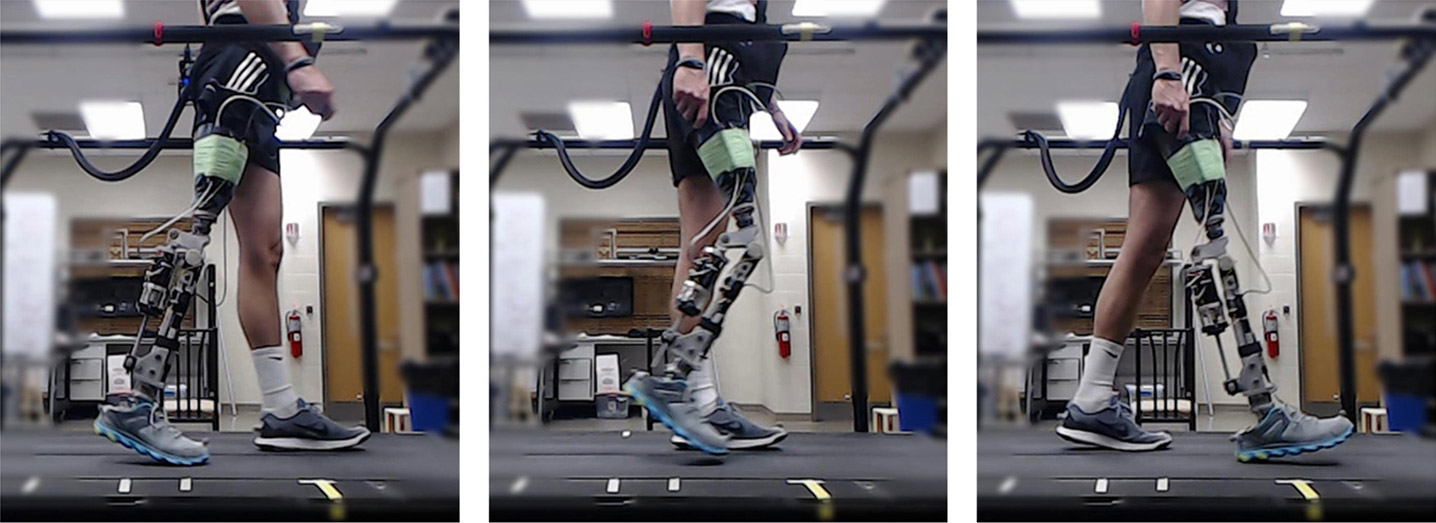
When an individual is fitted with a robotic prosthetic knee, a practitioner works with that person to modify parameters to specifically accommodate their gait, a process that can take hours. Now, a multidisciplinary team of researchers from Arizona State University (ASU), Tempe; North Carolina State University (NC State), Raleigh; and the University of North Carolina at…
Lower Extremity Review
OPTP Soft Movement Ball
OPTP has added the Soft Movement Ball to its lineup of therapy and fitness products. The Soft Movement Ball is an inflatable 12″ exercise ball with an easy-grip texture. It is designed to assist with body positioning during stretching and stability moves and can be used to perform a variety of movements that increase strength and mobility during physical therapy, Pilates, and general fitness routines.
2019 DMEPOS Fee Schedule Available
The Centers for Medicare & Medicaid Services has made available the 2019 fee schedule for durable medical equipment, prosthetics, orthotics, and supplies (DMEPOS). The fee schedule is effective for dates of service beginning January 1. A 2.3% increase has been applied to DMEPOS items that are not part of the Competitive Bidding Program.
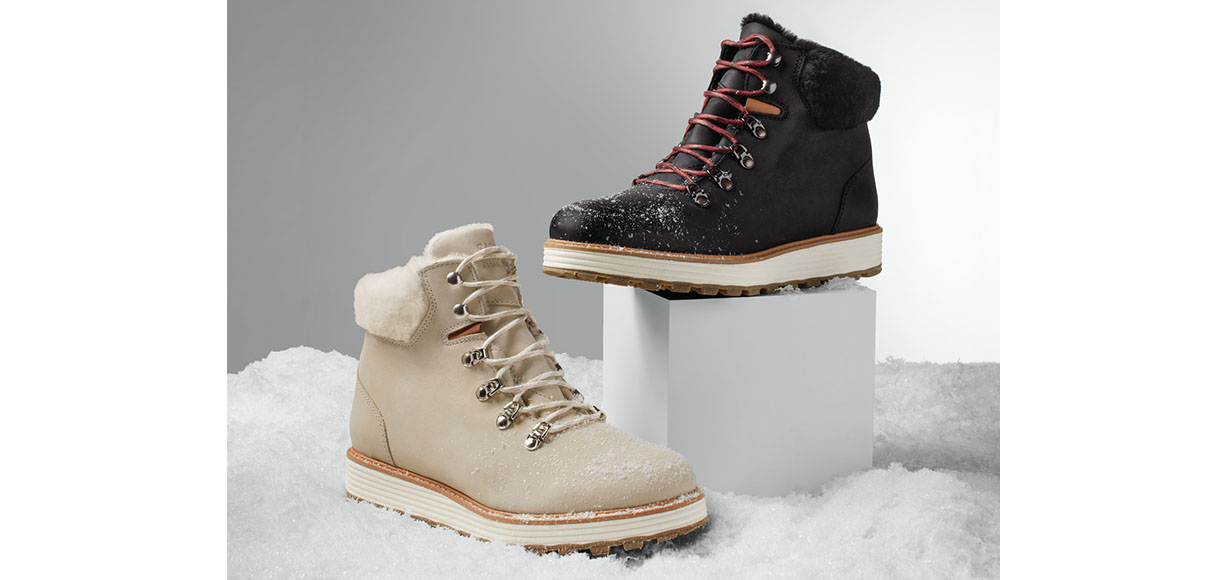
Shear Alpine Boots
Some boots are warm. Some boots offer great traction. And other boots are just eye candy. Samuel Hubbard offers a new boot that encompasses all three distinctions. The Shear Alpine is fabricated from water-resistant Nubuck uppers and designed with a genuine shearling lining and collar for warmth and comfort. Buttery-soft glove leather sock linings provide comfort and breathability.
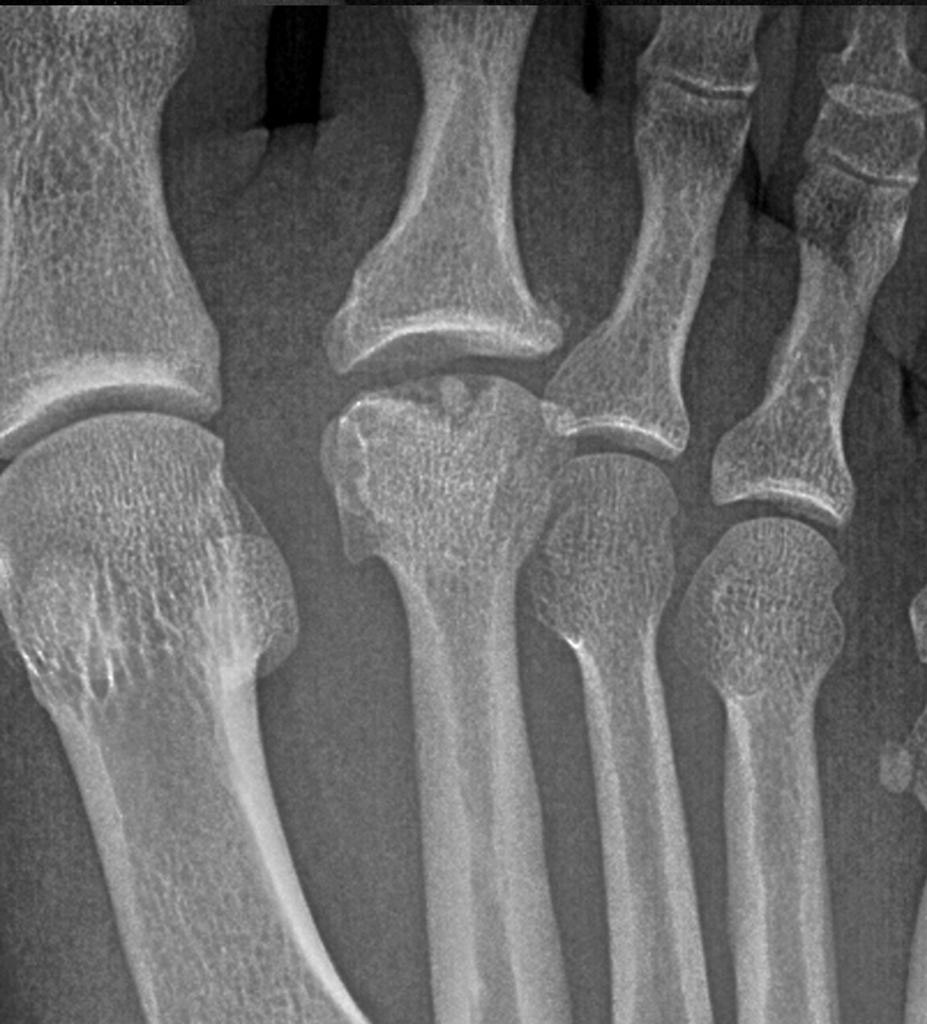
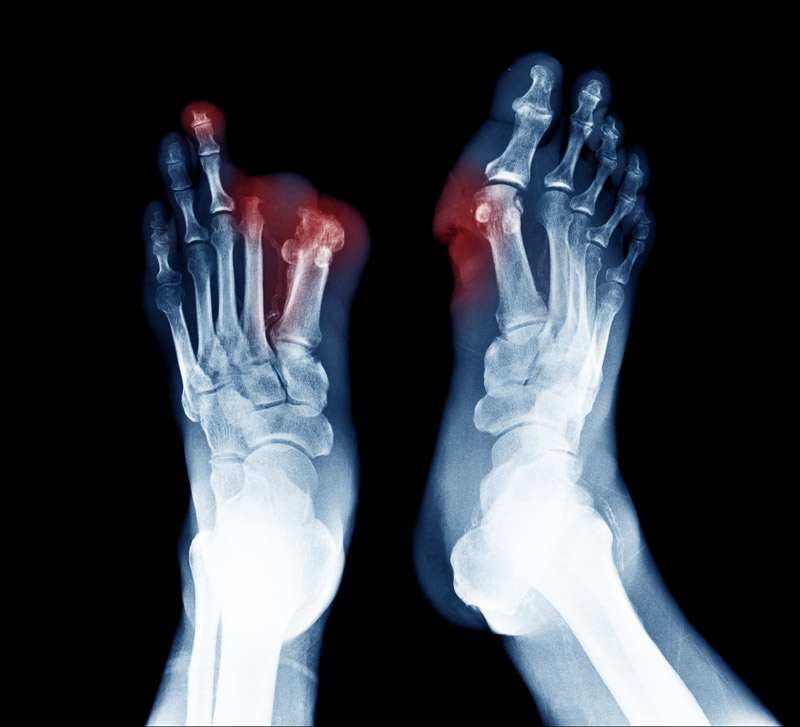
Conservative Management of Freiberg’s Disease
Key options include immobilization, weight bearing restrictions, NSAIDS, orthotics, padding, and shoe modifications. The first report of osteochondrosis of the second metatarsal head was in a series of six cases presented by Dr. Alfred H. Freiberg at the Southern Surgical and Gynecological Association in 1913. The data was published the following year.
By Kerry Sweet, DPM, FACFAS; Rebecca Omana-Daniels, DPM; and Valerie Marmolejo, DPM
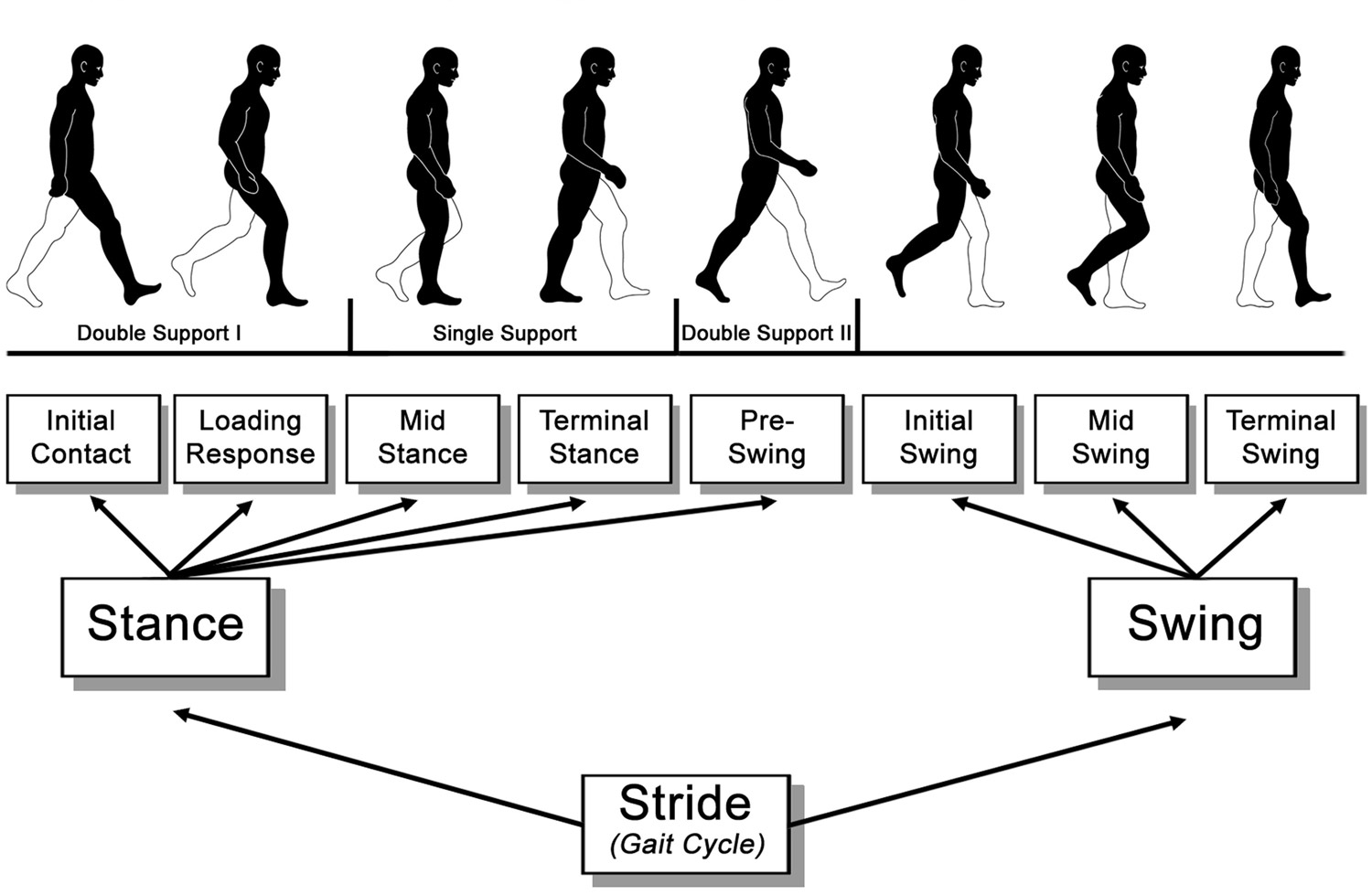
Gait and Balance Dysfunction in Older Adults: Challenges and Interventions
Falls are a significant—yet preventable—health issue among older adults. Each year, 3 million older Americans over the age of 65 are treated in emergency departments for fall-related injuries which often result in disability, loss of independence, reduced quality of life, and death.1 The number of falls is expected to rise as Americans live longer and the number of older adults continues to grow at an unprecedented rate.
By Aisha Cobbs, PhD
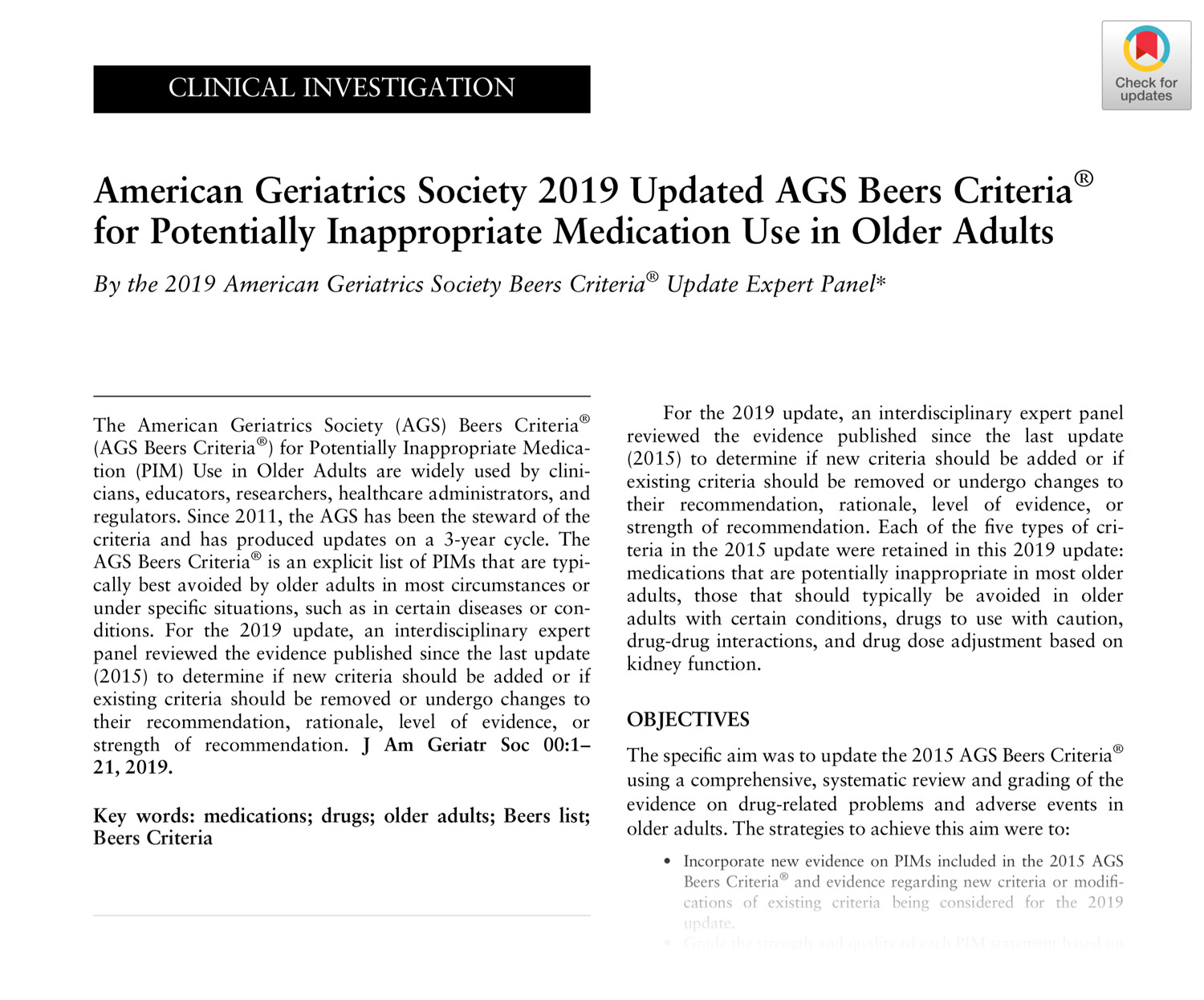
Updated Beers Criteria for Potentially Inappropriate Medication Use in Older Adults Now Available
The 2019 AGS Beers Criteria® includes 5 lists of nearly 100 medications or medication classes to avoid or use with caution for some or all older adults. The American Geriatrics Society (AGS) recently unveiled its latest update to one of geriatrics’ most frequently cited reference tools: The AGS Beers Criteria® for Potentially Inappropriate…
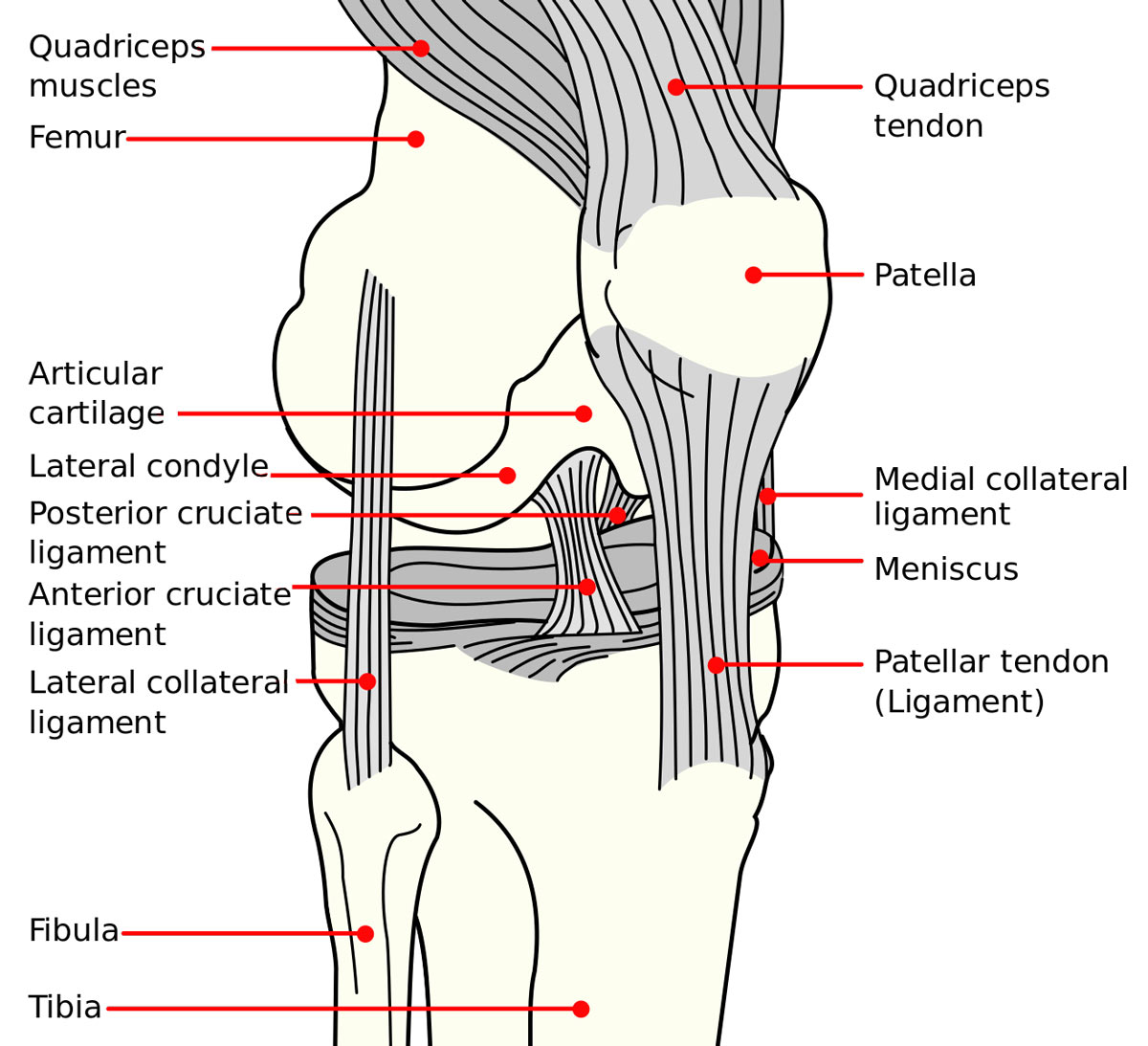
Anterior Femoral Ligament Thickening Seen 3 Years Post-ACL Surgery
Osteoarthritis (OA) affects nearly 50% of patients who undergo anterior cruciate ligament reconstruction (ACLR) within 2 decades after surgery. The mechanism of OA development has been elusive; many experts theorize that disruption of knee–joint tissue homeostasis is key. Now, researchers, using ultrasonography (US), have found an increase in the thickness of the anterior femoral cartilage and cross-sectional area 3 years postoperatively.
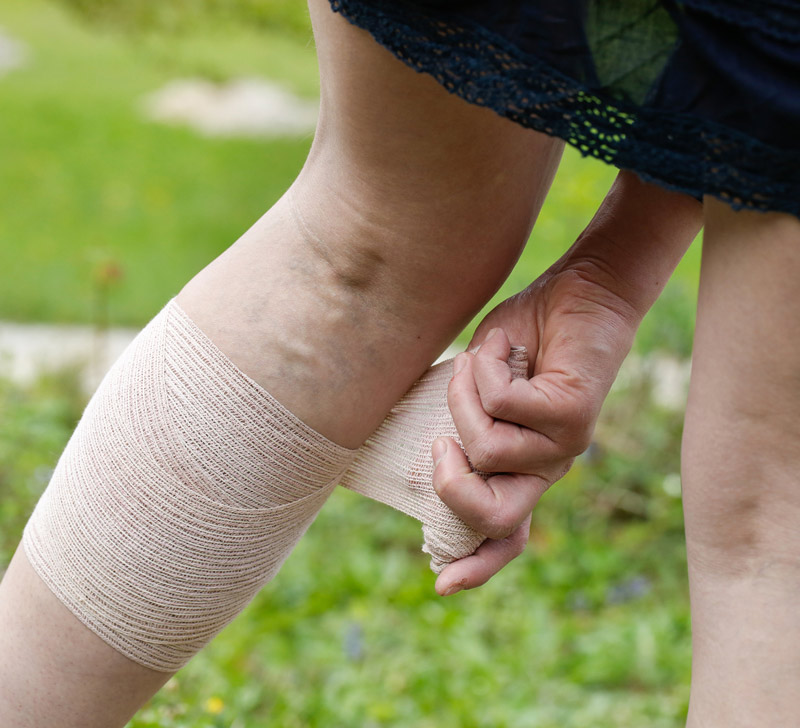
Compression in Lymphedema
In a narrative review of old and innovative concepts concerning pressure and stiffness in lymphedema therapy, the authors of a study just published in Phlebology found that the current literature does not appear to be in sync with the array of options available today.
Diabetes Updates: Amputations Increasing; Insomnia as Risk Factor
Amputations on the Rise – After decades of decline, diabetes-related lower-extremity amputations appear to be on the rise in the United States, according to new data from the Nationwide Inpatient Sample of the US Healthcare Cost and Utilization Project and the National Health Interview Survey of the National Center for Health Statistics, part of the US Centers for Disease Control and Prevention.
Bringing Medical Cannabis Into Skilled Nursing Facilities
When New York state legalized medical cannabis, geriatrician Zachary Palace, MD, CMD, realized that many of the conditions that qualified for the drug were those that he saw regularly in the elderly—like chronic or neuropathic pain, Parkinson’s disease, and multiple sclerosis.
By Nicole Wetsman
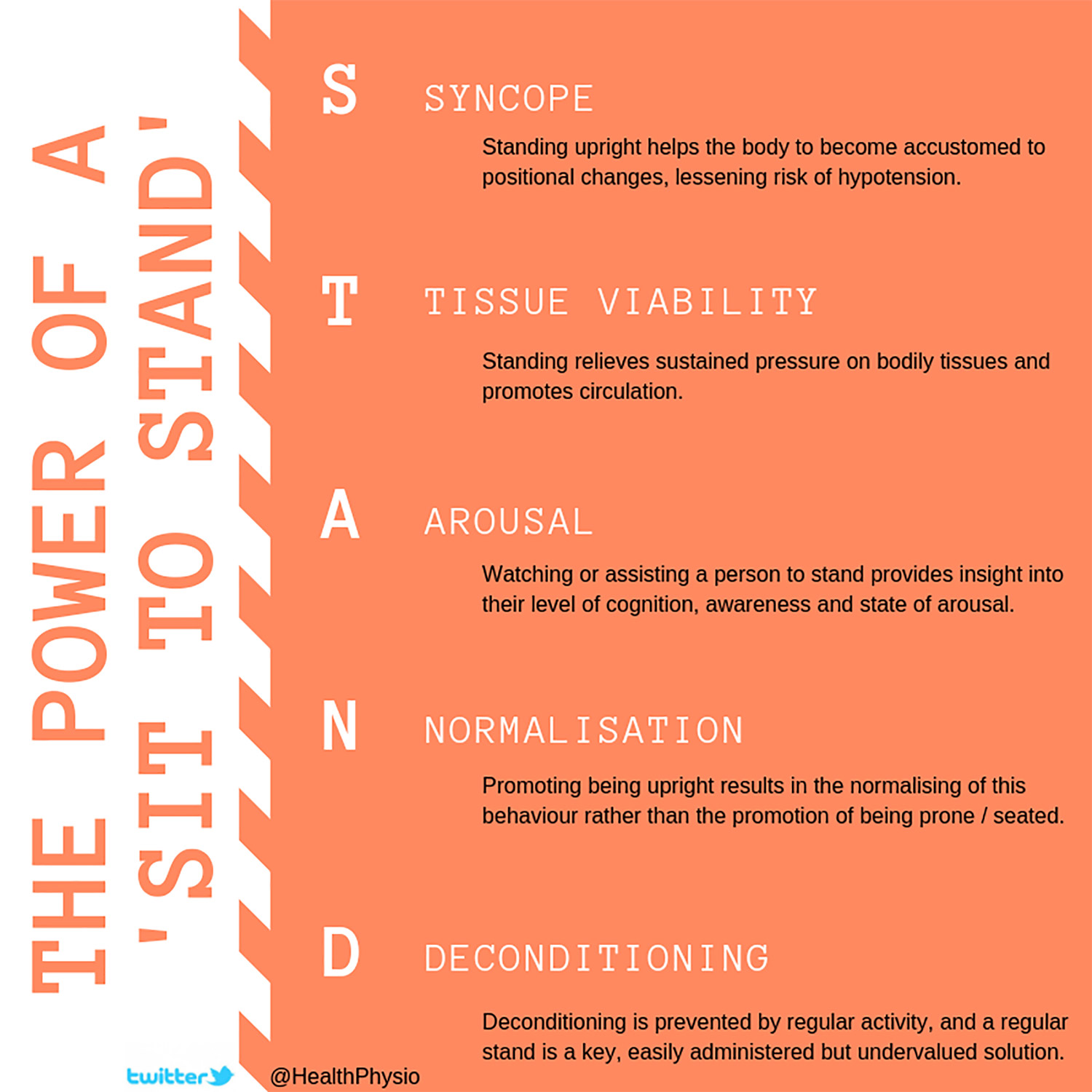
The Power of a ‘Sit to Stand’: An Infographic
Infographic by Chris Tuckett, Physiotherapist BSc MCSP. Tuckett is based in The Princess Alexandra Hospital NHS Trust, based in Harlow, Essex, UK. Based on: Harvey JA, Chastin SFM, Skelton DA. Breaking sedentary behaviour has the potential to increase/maintain function in frail older adults. J Frailty Sarcopenia Falls. 2018;3(1):26-34. doi: 10.22540/JFSF-03-026.
FDA Adds Boxed Warning to Uloric
The U.S. Food and Drug Administration (FDA) has concluded there is an increased risk of death with Uloric (febuxostat) compared to another gout medicine, allopurinol. This conclusion is based on its review of results from a safety clinical trial that found an increased risk of heart-related death and death from all causes with Uloric.
Book Review: Pedorthic Footwear: Assessment and Treatment
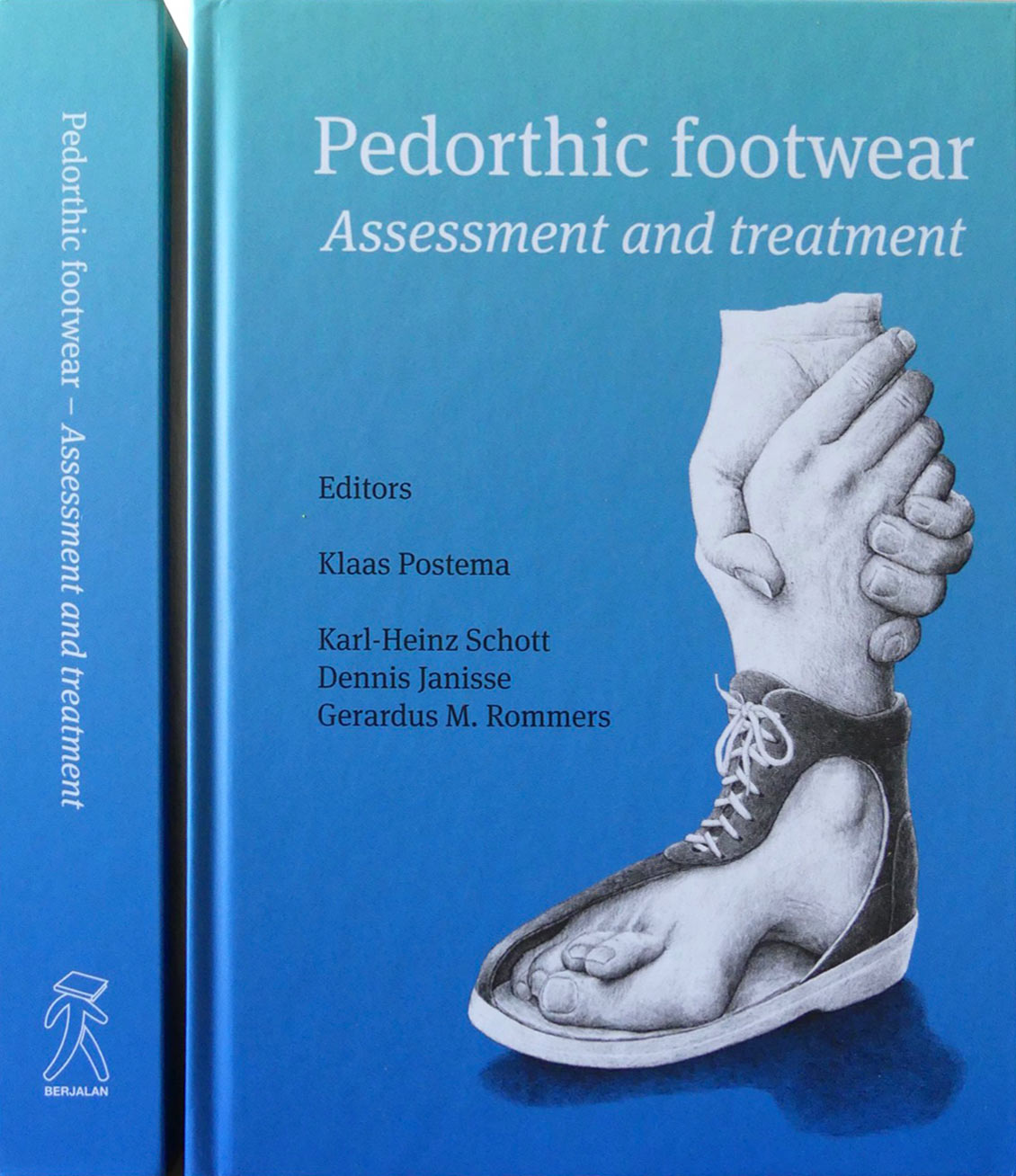
Pedorthic Footwear: Assessment and Treatment, a 578-page resource with 550 illustrations, is the result of an ambitious and unique collaboration of international authors and is edited by Klaas Postema, Karl-Heinz Schott, Dennis Janisse, and Gerardus M. Rommers. In total, 54 authors (physiatrists, pedorthists, movement scientists, and physiotherapists) from 7 countries contributed.
3 Can Be Better Than 6 When It Comes to Weber B Fractures
In medical school, we were taught that Weber B ankle fractures required the 6-week cast immobilization protocol. But for many of us, that protocol has felt excessive due to concerns of increased ankle stiffness, decreased ankle strength, and the possibility of a thrombotic event. However, the thought of possible suboptimal healing of the fracture [malunion or nonunion] with less than 6 weeks of immobilization or use of less rigid forms of immobilization provided anxiety to many of us treating physicians.
By Jeffrey R. Baker, DPM, FACFAS
Join
Subscribe For Updates
Stay in the loop with the latest news and updates! Subscribe now to receive exclusive content, special offers, and important announcements straight to your inbox. Don’t miss out – join our community today for all the latest updates delivered directly to you.