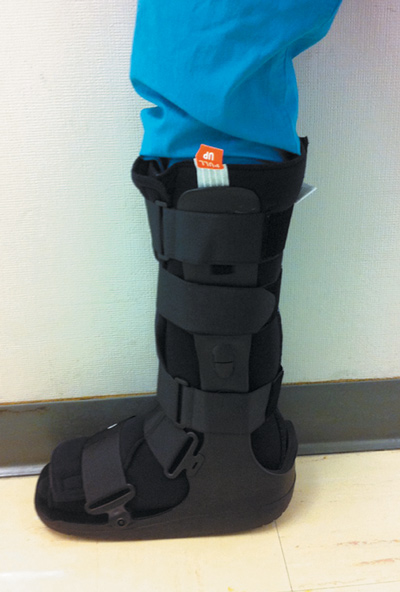
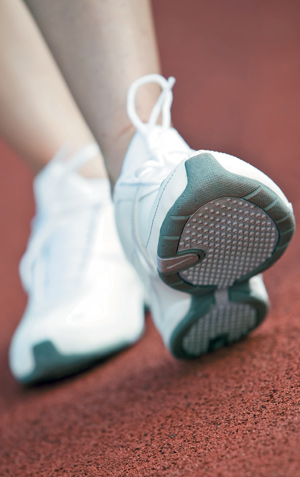
Stress fractures are generally thought to occur due to a multitude of factors. These include age and activity level (those under age 24 experience most such injuries, probably during high-intensity athletics and military service); gender (women are at higher risk, partly as a result of endocrine issues); and training (or overtraining) while wearing inadequate footwear.
Lower Extremity Review
Likely link in patellofemoral conditions
ike other common multifactorial conditions, patellofemoral pain syndrome (PFPS) can be frustrating to treat. Contributing factors may include overuse, malalignment, muscular dysfunction, microtrauma, or a combination; multimodal treatment regimens are popular for relieving immediate symptoms.
CAD-CAM’s features help win O&P converts
Shane Coltrain, CPO, knows computer-aided design and computer-aided manufacturing (CAD-CAM) as well as anyone in his field. That’s because he’s been using it for about eight years, gaining experience with the tool every day while so many of his industry colleagues remain resistant to make the technological leap.
Practice Tactics: Efforts to boost morale pay off in productivity
With so many factors outside of the control of practitioners and practice managers, it’s becoming increasingly important to focus energy and resources on the areas that are well within your ability to influence.
By Jason Kraus
Partial foot amputation: Pedorthic management
Patients with diabetes who have undergone partial foot amputation are vulnerable to reulceration. Footwear, orthotic devices, and partial foot prostheses can reduce risk while improving function.
By Erick Janisse, CPed, CO, and Dennis Janisse, CPed
Yoga helps target falls, fears in older patients
Yoga can help improve balance and increase confidence in older adults who are at risk for fall-related injury. The key to successful outcomes is to modify traditional poses in ways that accommodate both physical limitations and fears in this patient population.
By Arlene Schmid, PhD, OTR
Articular cartilage rehab starts with examination
Successful management of articular cartilage lesions starts with a thorough examination emphasizing patient history, range of motion limitations, and an understanding of underlying anatomy and biomechanics.
By Walter L. Jenkins, PT, DHS, ATC
Diabetes affects fracture healing at cellular level
Patients with diabetes are at increased risk for delayed union or nonunion following skeletal trauma or elective orthopedic surgery, due to impaired osseous regeneration.
By David N. Paglia MS, Siddhant K. Mehta BS, Kristen Mason BS, Eric A. Breitbart MD, Aaron Wey BS, Andrew Park MS, Swaroopa Vaidya MS, Ravi Verma BS, Dana Graves PhD, J. Patrick O’Connor PhD, and Sheldon S. Lin MD
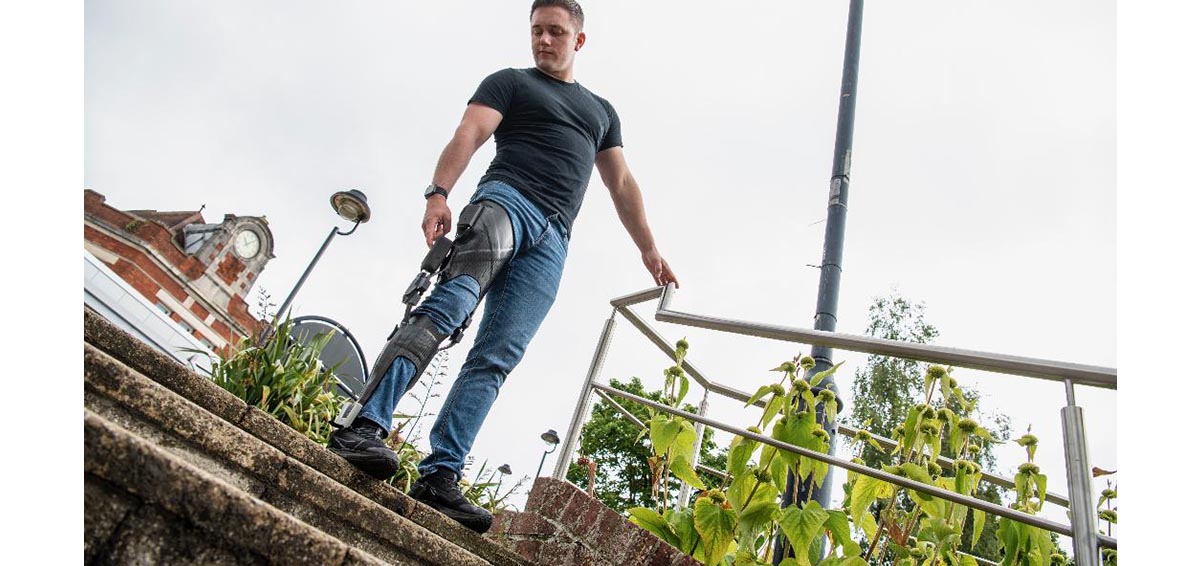
Strengthening the case for carbon fiber AFOs
Clinicians are already embracing carbon-fiber ankle foot orthoses, which provide a dynamic assist and may even help strengthen calf muscles in patients with foot drop. Now, slowly, research is exploring how these devices can best be used.
by Cary Groner
Plantar pressure and gait in patients with diabetes
Researchers have explored numerous offloading strategies to decrease plantar pressures in patients with diabetes, but few have studied whether making a deliberate change to a patient’s walking pattern might have a similar effect on pressure distribution.
by Mansoo Ko, PhD
Splinting and stretching for plantar fasciitis pain
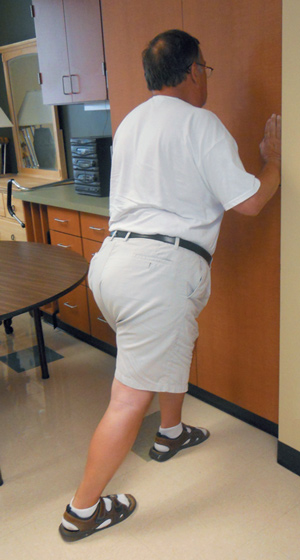
Evidence suggests that calf muscle stretching, whether manually or with the aid of a brace or splint, can help alleviate plantar fasciitis pain. What’s less clear is which protocol is most effective.
By Neena K Sharma, PT, PhD, CMPT, and Gurpreet Singh, PT
Stair negotiation alters stability in older adults
Nowhere are the effects of aging on gait mechanics and neuromuscular control more apparent than on the stairs, an all- too-common site of fall-related injuries in older adults. Prevention starts with understanding the unique demands of stair ascent and descent.
By Alison C. Novak, MSc, Samantha M. Reid, MSc, Patrick A. Costigan, PhD, and Brenda Brouwer, PhD
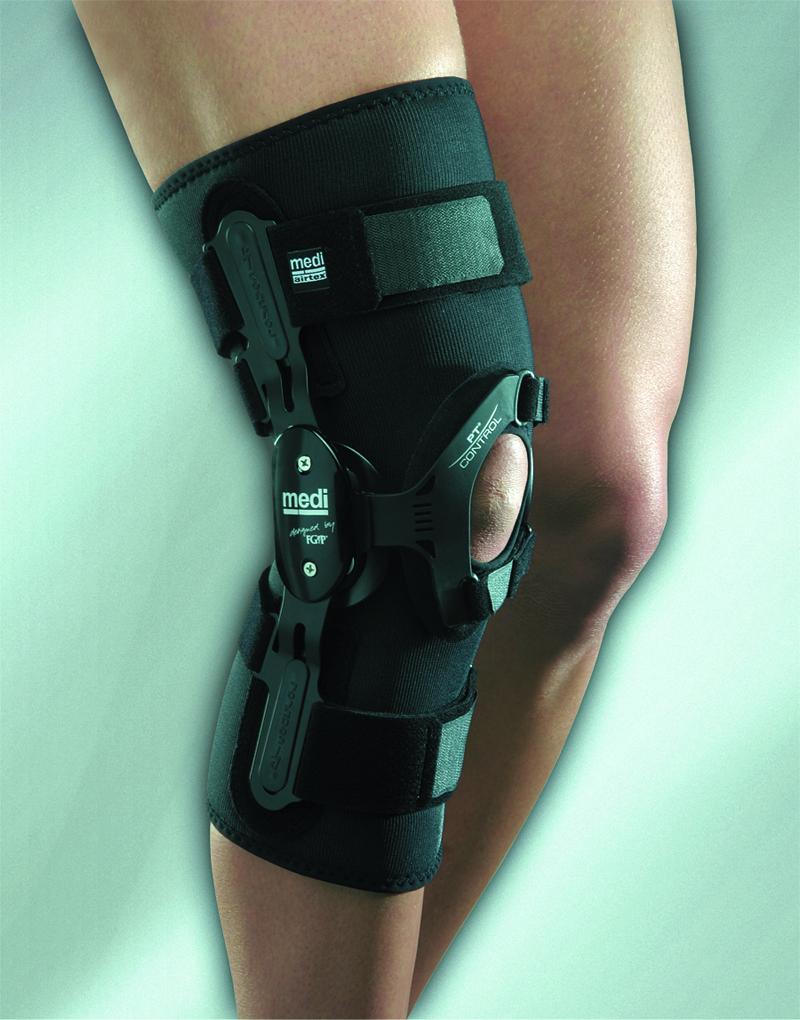
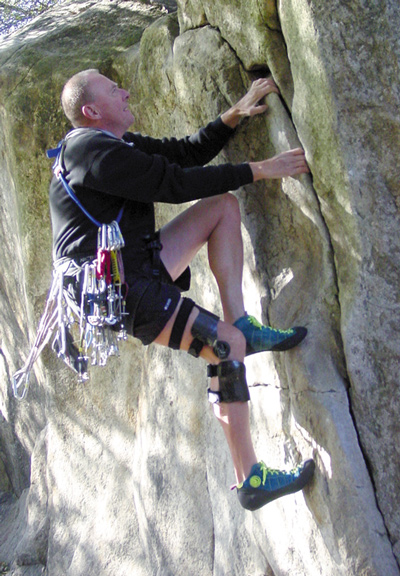
OA bracing may bolster prehabilitation protocols
Preoperative exercise has been shown to improve total knee arthroplasty outcomes, but may not be feasible in patients with severe pain. Bracing and other offloading methods may be able to help.
By John Kenney, CO, and Robert Hamblen, MD
Active Stance: Sensory substitution enhances O&P rehab
Rehabilitation science and medicine professionals are realizing that extracorporeal orthotics and prosthetics are sensory as well as functional substitution devices, and that these substitutions are equally important and mutually beneficial. Researchers have identified a high correlation co-efficient between normal body imagery and acquired sensory perception skills with orthotic- prosthetic control and manipulation skills.
By Michael T. Wilson, CPO/LP
Offloading strategies for knee osteoarthritis
Altering joint alignment is associated with decreased pain and improved function. Researchers are working to explain the mechanisms underlying these effects, particularly with respect to bracing.
By Yatin Kirane, D.Orth, PhD; Rebecca Zifchock, PhD; and Howard Hillstrom, PhD
Join
Subscribe For Updates
Stay in the loop with the latest news and updates! Subscribe now to receive exclusive content, special offers, and important announcements straight to your inbox. Don’t miss out – join our community today for all the latest updates delivered directly to you.