Rehabilitative footwear: Importance of comfort

Rehabilitative footwear: Importance of comfort

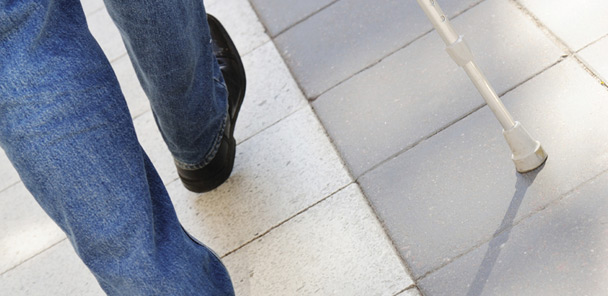
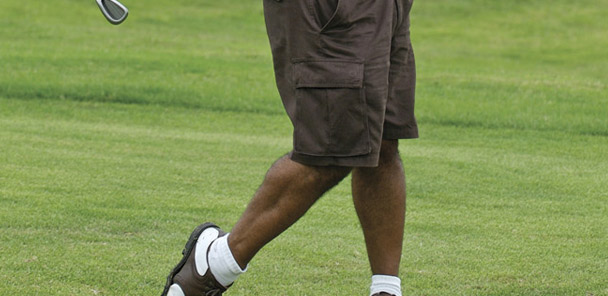
A growing body of research suggests that footwear comfort can improve movement performance and, in particular, neuromus­cular control of balance. These findings could have significant implications for rehabilitation of older adults and patients with lower extremity disorders.

By M. Owen Papuga, PhD, and Jeanmarie R. Burke, PhD

read more
Effects of ankle bracing on athletic performance

Effects of ankle bracing on athletic performance

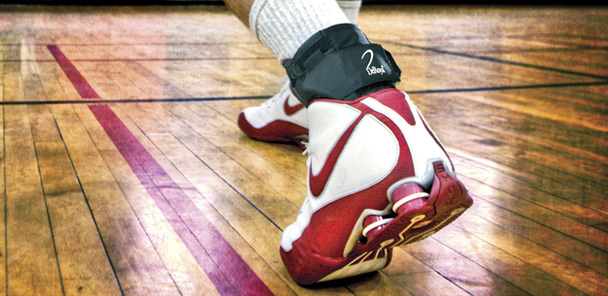
Ankle braces help prevent injury by restrict­ing motion, but those restrictions don’t necessarily result in negative effects on athletic performance. Evidence sug­gests that while agility may be affected with use of an ankle brace, vertical jump and balance skills may not.

By Jatin P. Ambegaonkar, PhD, ATC, OT, CSCS; Nelson Cortes, PhD; and Shruti J. Ambegaonkar, MS, PT

read more
Amputation vs salvage for lower limb tumors

Amputation vs salvage for lower limb tumors

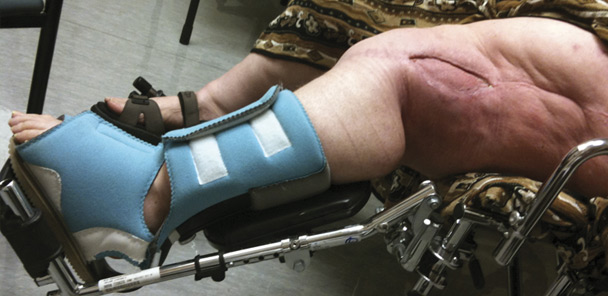
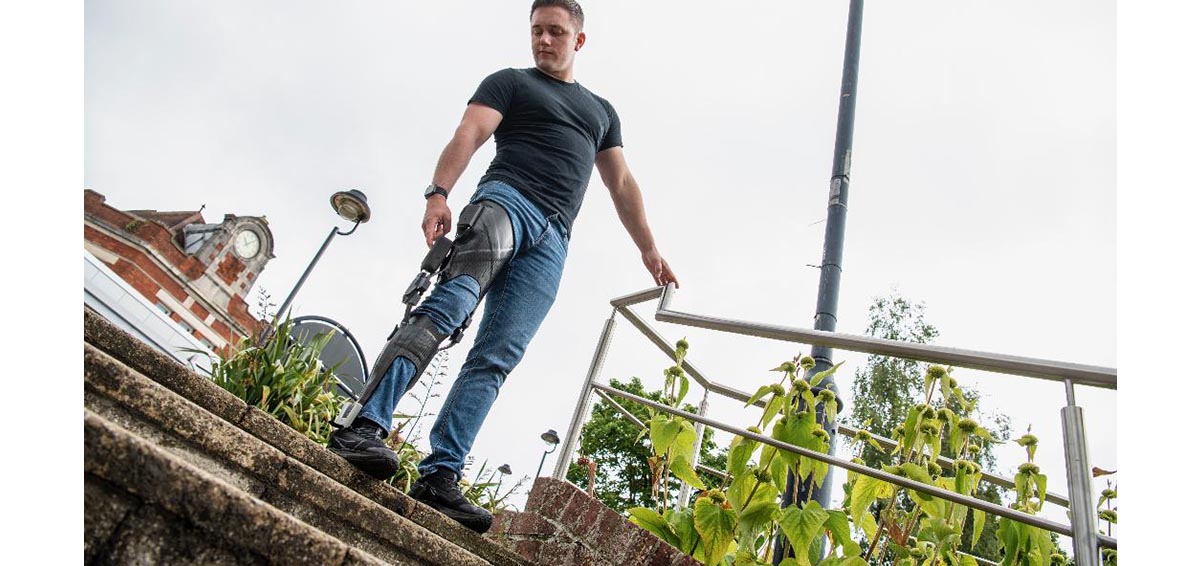
Studies assessing the relative functional benefits of limb salvage and amputation for lower extremity bone and soft tissue tumors have produced inconsistent re­sults, but the range of subjective and objective tests used in those studies may have influenced the findings.

By Lucy Kupersmith, BA, and Jeremy S. Somerson, MD

read more
Active Stance: Minimalist footwear: A risky switch for runners?

Active Stance: Minimalist footwear: A risky switch for runners?

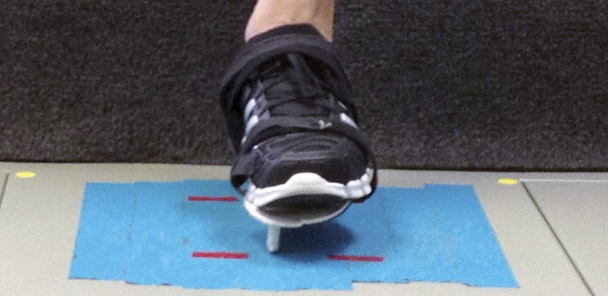
For the majority of evolutionary history, runners were either barefoot or wore minimalist footwear lacking the cushioning of today’s running shoes. Barefoot or minimally shod runners demonstrate differences1 in kinematics and impact forces compared with those wearing modern running shoes, and some research suggests barefoot running may confer biomechanical advantages over more cushioned footwear.

By Erik M. Haniuk, BS; LTC Steven J. Svoboda, MD; Karen Y. Peck, MEd, ATC; Kenneth L. Cameron, PhD, MPH, ATC; and LTC Brett D. Owens, MD

read more
Preventing hamstring injuries on the gridiron

Preventing hamstring injuries on the gridiron

Hamstring injuries that occur during sprinting are a significant concern in football, not just because of the frequency with which they occur, but also because they are notoriously difficult to rehabilitate, which underscores the need for effective prevention through targeted exercise programs.

By Charles D. Kenyon, MS, RSCC, and Marcus C.C.W. Elliott, MD

read more
Peroneal latency’s role in inversion ankle sprain

Peroneal latency’s role in inversion ankle sprain

A delay in the activation of the peroneus longus and peroneus brevis muscles is thought to contribute to the risk of inver­sion ankle sprain. New research suggests that ankle taping, in addition to providing mechanical stability, also helps reduce this peroneal latency.

By Adam Knight, PhD, and Wendi Weimar, PhD         

read more
Patient race contributes to burden of knee OA

Patient race contributes to burden of knee OA

Evidence suggests that the prevalence and symptom severity of knee osteo­arthritis are greater in African-American pa­tients, underscoring the need for lower extremity practitioners to implement effec­tive strategies for disease prevention and management in this patient population.

By Kelli D. Allen, PhD

read more
When foot-ankle issues complicate knee surgery

When foot-ankle issues complicate knee surgery

A patient presenting with both end-stage knee osteoarthritis and a painful foot-ankle deformity is not uncommon, but the medical literature offers practitioners little guidance as to which condition should be managed first or whether they should be addressed simultaneously.

by Michael S. Pinzur, MD, and William Hopkinson, MD

read more
OA summit examines therapeutic challenges

OA summit examines therapeutic challenges

Newly published proceedings of an inter­dis­ciplinary osteoarthritis summit hosted by the Hospital for Special Surgery ex­plore how researchers are working to under­stand the complexities of the disease and break down the barriers facing the development of new interventions.

By Cary Groner

read more
Clinical management of Lisfranc joint injuries

Clinical management of Lisfranc joint injuries

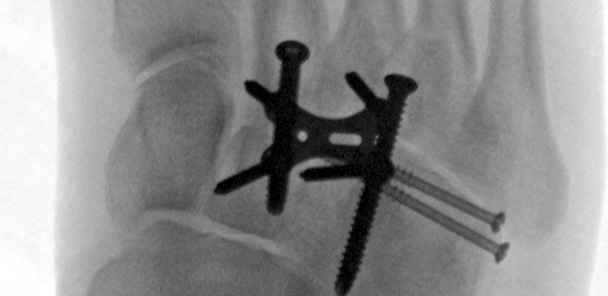
Indications for operative versus nonoper­ative treatment of tarsometatarsal joint injuries depend on the specific injury pattern and disruption of normal anatomy, which may be evident on physical ex­amin­ation or radiographs but may also present more subtly.

By Andrew Rosenbaum, MD, John DiPreta, MD, and Richard Uhl, MD

read more

Join

Subscribe For Updates

Stay in the loop with the latest news and updates! Subscribe now to receive exclusive content, special offers, and important announcements straight to your inbox. Don’t miss out – join our community today for all the latest updates delivered directly to you.