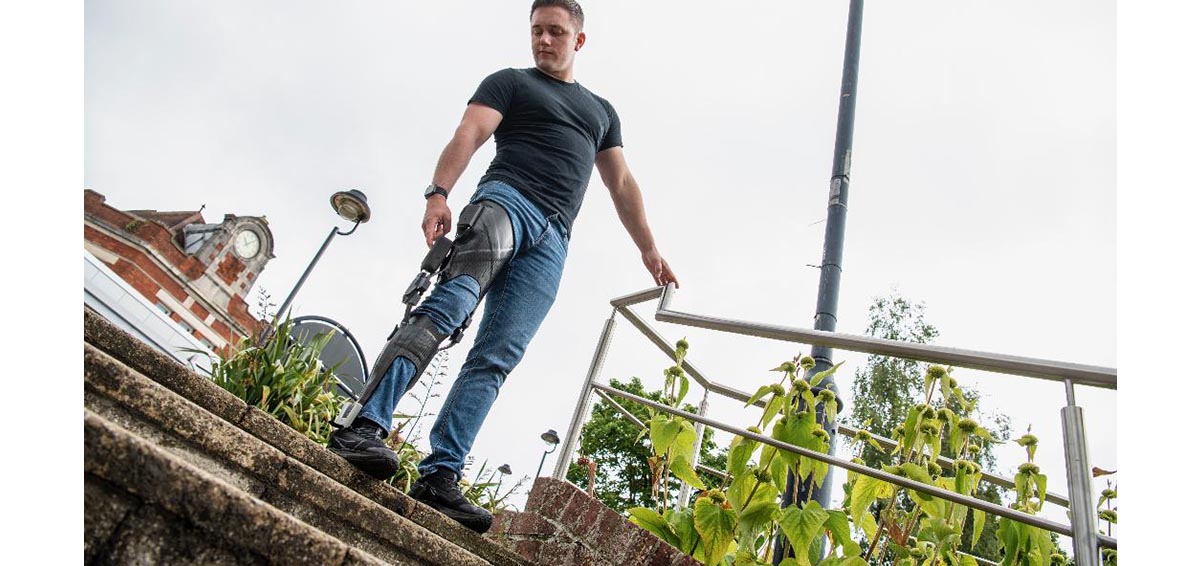
Diabetic foot ulcers (DFU) are a major complication of diabetes, often leading to impaired mobility and increased risk of recurrence due to persistent biomechanical alterations. Understanding the mechanical properties of foot muscles, tendons, and fascia may provide insight into ulcer development, prevention and rehabilitation strategies.
Lower Extremity Review
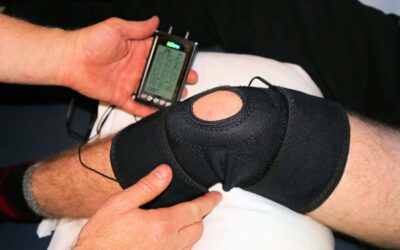
Optimized Nerve Management with Electrical Stim for Lower Extremity Neuroma
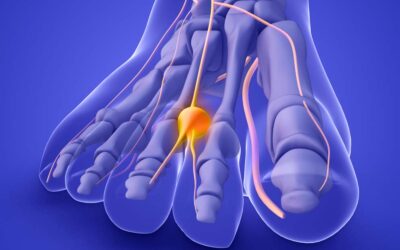
Nerve injury is the most common complication following foot and ankle surgery, with painful neuroma reported in up to 10% of procedures. Current treatment often yields varying degrees of pain relief. Electrical stimulation (ES) through peripheral neuromodulation is an emerging technology associated with improvement in nerve related pain and acceleration of neural regeneration.
Youth Soccer Lower Extremity Injuries Presenting to US Eds is Decreasing
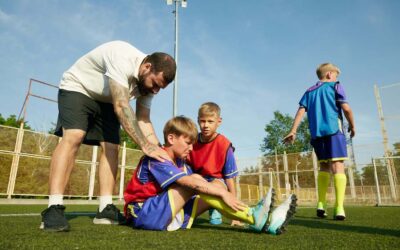
Data from the National Electronic Injury Surveillance System were analyzed for soccer players ≤18 years old sustaining lower extremity injuries from January 2013 to December 2022. Patient data collected included age, sex, mechanism of injury, setting (practice vs game), diagnosis, lower extremity injury, and disposition.
Impact of Exercise in Patients with Diabetic Peripheral Neuropathy
Diabetic peripheral neuropathy (DPN) is a common and serious complication of diabetes mellitus, affecting sensory, motor, and autonomic nerves. It increases the risk of foot ulceration and falls. Management typically involves preventive strategies like patient education, risk stratification, and regular foot screenings.
Long Term Outcomes After Flexor Tendon Tenotomy of the Diabetic Foot
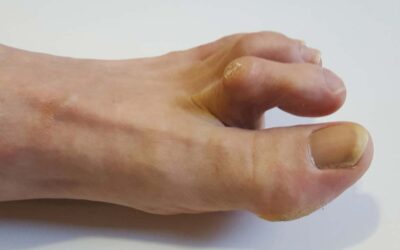
Hammertoes are one of not the most common deformities that afflicts the diabetic foot and leads to increased risk of diabetic foot ulcers. Flexor tendon tenotomy treatment of the diabetic hammertoe has gained increased interest and is now recommended in international guidelines as a treatment of hammertoes to prevent diabetic foot ulcers.
MTPD due to HADHA Variants Masquerading as Charcot-Marie-Tooth Disease
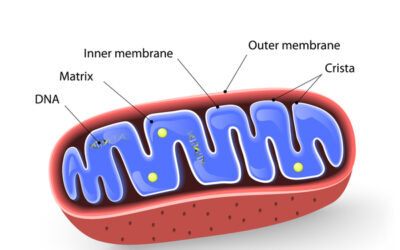
Mitochondrial trifunctional protein deficiency (MTPD) is an inherited disorder of fatty acid β-oxidation caused by mutations in HADHA or HADHB genes. It typically presents with cardiomyopathy or hepatic failure in early childhood; however, it may rarely present in adulthood with the neuromyopathic form.
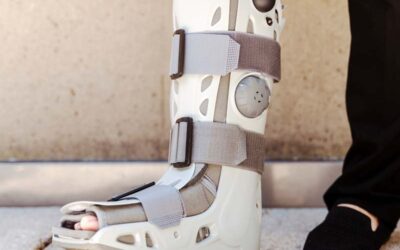
Controlled Ankle Motion Walkers: Similar, but Not the Same
Controlled Ankle Motion walkers (CAMs) are prefabricated ankle-foot interventions commonly used to address a broad range of orthopedic and vascular diagnoses. Variants of these intervention types appear to have differing kinematic features despite being described by the same billing codes and regarded as belonging to the same intervention strategy.
By Michael S. Ginzburg PsyD, CO; Rachel White CPO
lerEXPO Highlights: Posting Principles | Rearfoot Mods that Actually Matter
Orthotic prescription involves a nuanced understanding of various modifications designed to influence lower extremity biomechanics, particularly focusing on the rear foot, midfoot, and forefoot. For lower extremity clinicians, mastering these options allows for tailored patient solutions, enhancing stability, addressing discrepancies, and improving overall function.
By Karen A. Langone DPM
Mastering Scanning Protocols: Why Technique is Everything
Technique is not merely a procedural afterthought—it is the foundation of successful digital orthotic design. A well-executed scan captures the anatomical subtleties of the foot and lower limb in the intended corrected position, ensuring the final device conforms precisely to the patient’s morphology.
By Dr. Dean Hartley (Podiatrist & Adjunct Engineering Fellow–University of Queensland)
lerEXPO Highlights: Avascular Necrosis After Talar Fracture ORIF in Podiatric Practice
Avascular necrosis (AVN) of the talus presents one of the most complex and challenging problems in foot and ankle surgery, particularly in the aftermath of talar fractures. As podiatric specialists, understanding its nuances–from its unique anatomical predisposition to the evolving landscape of its management–is crucial for optimizing patient outcomes.
By Christy M. King DPM, FACFAS
Which Return-to-Sport Criteria Effectively Predict Reinjury Risk?
Returning to a sport after an injury involves healing tissue while restoring strength, stability and confidence. Athletes face the challenge of balancing physical recovery with mental readiness, and their decisions carry significant implications for long-term health and the risk of reinjury. Understanding which criteria best predict successful outcomes helps clinicians support athletes effectively.
By Jack Shaw
Pain Has an Address: Why Foot and Ankle Pain Is an Anatomical Story
Pain in the foot and ankle is rarely a riddle. Patients may not know the name of a tendon, ligament, or nerve, but they almost always know where it hurts. They point with 1 finger, not their whole hand. They tell you whether it burns, stabs, aches, feels electric, or stiffens after rest.
By Dr. Hooman Mir, DPM, MSci, FAPWCA
VEITHsymposium: Where Innovation, Evidence, and Collaboration Converge
In the world of medicine, there are few conferences that stand out to me because of the values they embody. VEITHsymposium (Vs) is one of those. It is so much more than just an informative conference. It is a pulse check on where vascular and endovascular medicine is, where it is headed, and what it takes to get there together to change lives.
By Richard Dubin, Lower Extremity Review founder, publisher and CEO
Editorial Observation: Thank You to Our Authors and Readers from the Editor
Recently our publisher attended a conference where he was so impressed by the collaboration and the shared vision of the sponsor and all who attended. That’s how I feel about my new position as LER editor. I am so amazed and inspired by the collaboration and warm welcome I’ve received. I could never have done it without all of you.
By January Shoaf, ler Magazine Editor
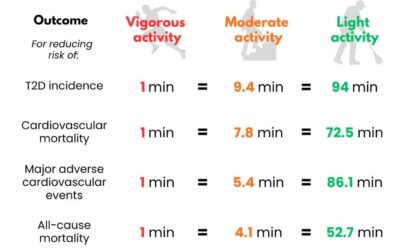
Every Minute of Movement is Not Equal
New data using wearables shows 1 type counts up to 9× more. A team led by Emmanuel Stamatakis followed 73,000 UK adults from the UK Biobank study, tracking their movement with wearable devices and linking it to major disease and death outcomes 8 years later on average.
Join
Subscribe For Updates
Stay in the loop with the latest news and updates! Subscribe now to receive exclusive content, special offers, and important announcements straight to your inbox. Don’t miss out – join our community today for all the latest updates delivered directly to you.