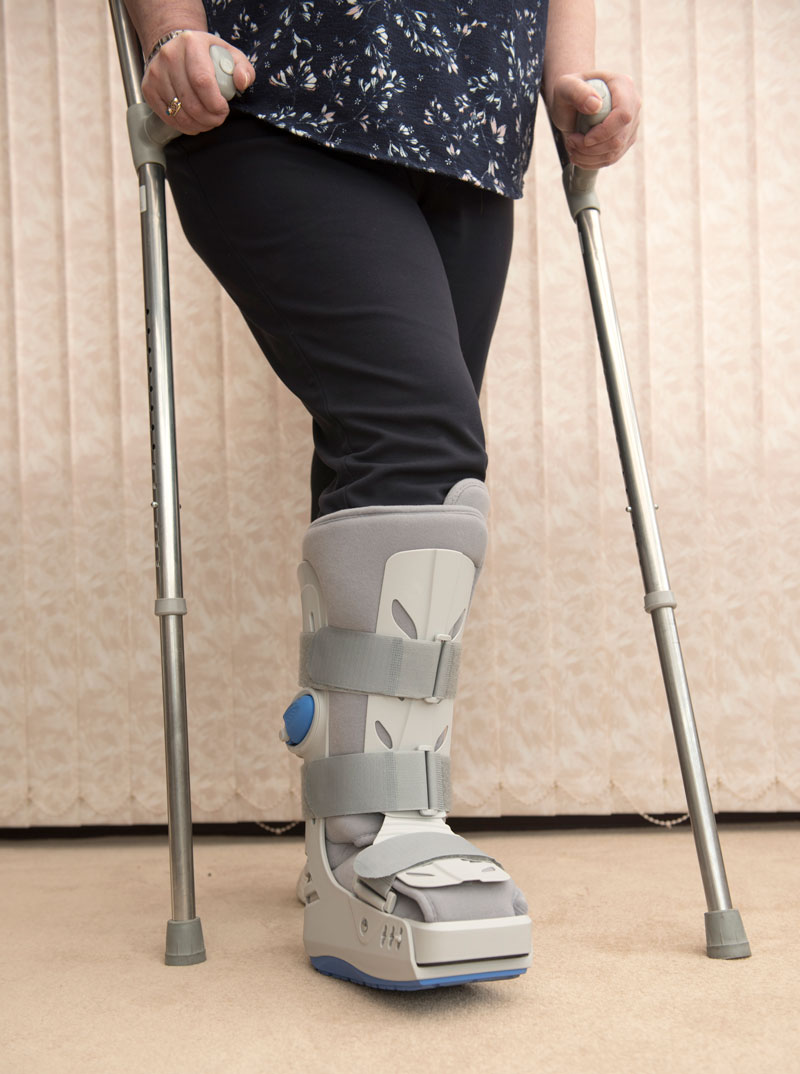
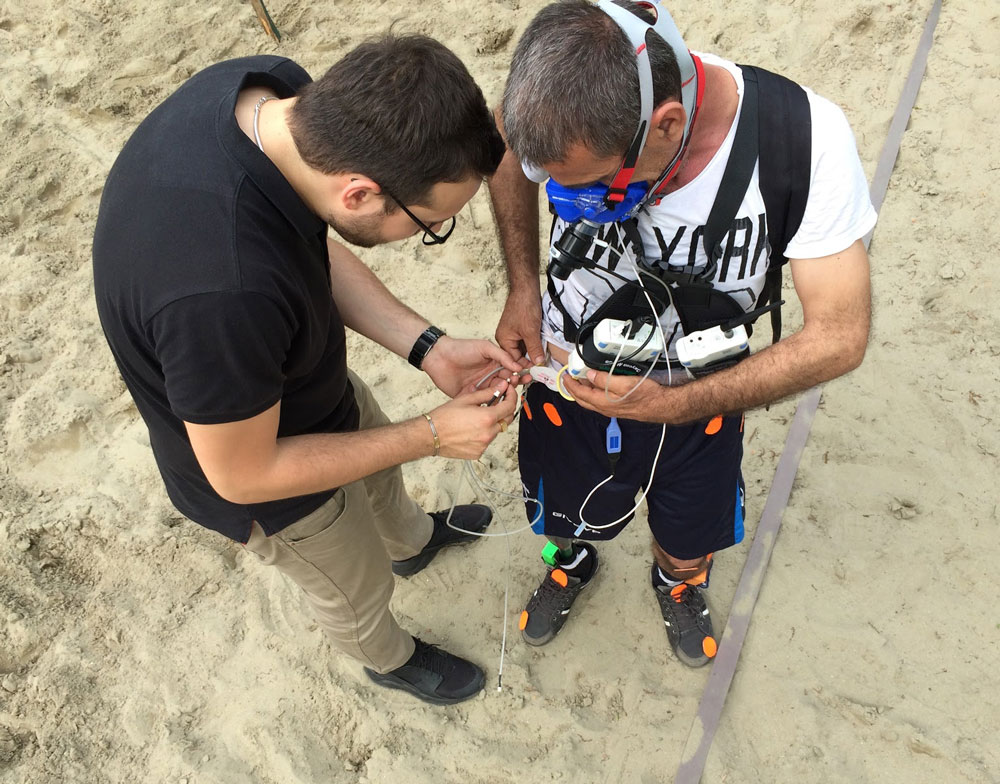
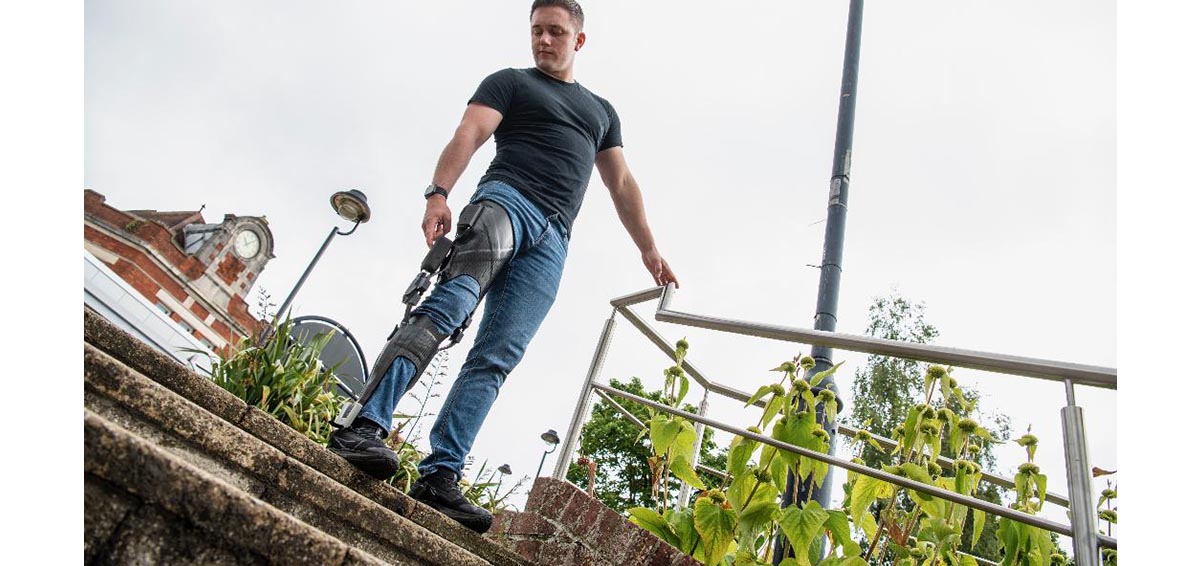
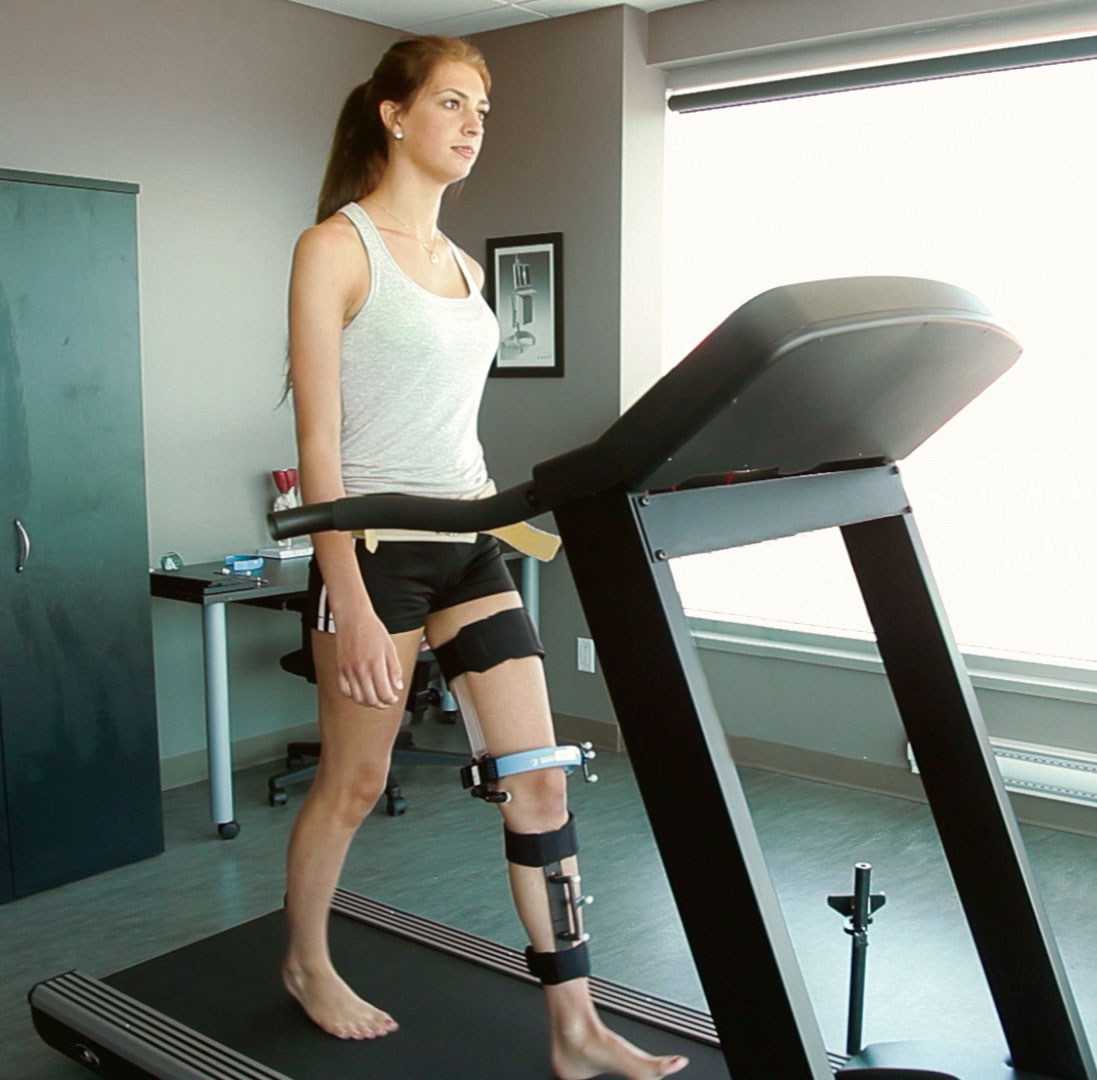
Knee osteoarthritis (OA), a chronic progressive disease, is a common complaint in adults over age 45. Indeed, osteoarthritis is the most common joint disorder in many countries, affecting for example 13.9% of adults 25 years and older and 33.6% of people 65 years and older in the United States. The challenge for clinicians is the multifactorial nature of the disease and understanding the everyday mechanical factors that affect it.
Lower Extremity Review
An Excerpt: Physical Frailty: ICFSR International Clinical Practice Guidelines for Identification and Management
Frailty is prevalent in all countries and is a leading contributor to functional decline and early mortality in older adults. The condition is defined as “a clinical state in which there is an increase in an individual’s vulnerability for developing an increased dependency and/or mortality when exposed to a stressor.” Frailty can begin before 65 years of age, but the onset escalates in those aged 70 years and over.
E-Cigarette, Vaping, Terminology and Facts
Excerpted from: US Centers for Disease Control and Prevention. Quick Facts on the Risks of E-cigarettes for Kids, Teens, and Young Adults. Updated March 11, 2019. Accessed Sept. 30, 2019.
Vaping: How Smoking E-Cigarettes Affects Physiology and Athletic Performance
Editor’s Note: As of press time, the US Centers for Disease Control has reported 1299 cases of e-cigarette- or vaping-associated lung injury (EVALI) and issued interim guidance to assist with assessment, evaluation, management, and followup. The cases have been reported in 49 states and the Distric of Columbia, with 26 deaths reported across 21 states.
By Nicole Wetsman
Understanding the ‘odd gait’ of autism
Children with autism spectrum disorder are often described as “uncoordinated” or “clumsy” and many have clear motor control impairments. Early intervention to address motor deficits may improve physical skills and the difficulties with social functioning that are the hallmark of the disorder. Research among children with autism spectrum disorder (ASD) has traditionally focused on impairments in social skills, the condition’s core deficit.
By Keith Loria
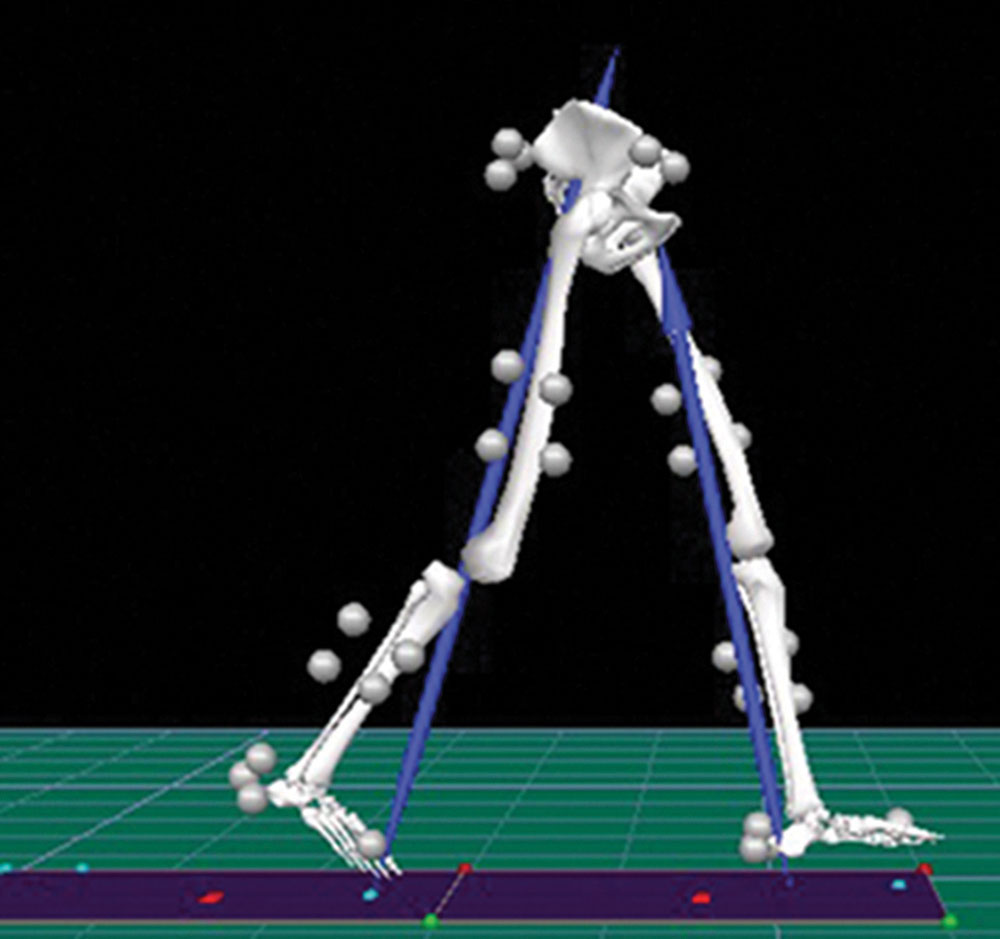
Autism Linked to Between-Limb Asymmetries Across the Gait Cycle
Recent findings from the University of Nevada, Las Vegas (UNLV), add to a growing body of evidence that autism spectrum disorder (ASD) is associated with significant gait asymmetry, suggesting movement quality should be part of the diagnostic and treatment processes for ASD.
By Keith Loria
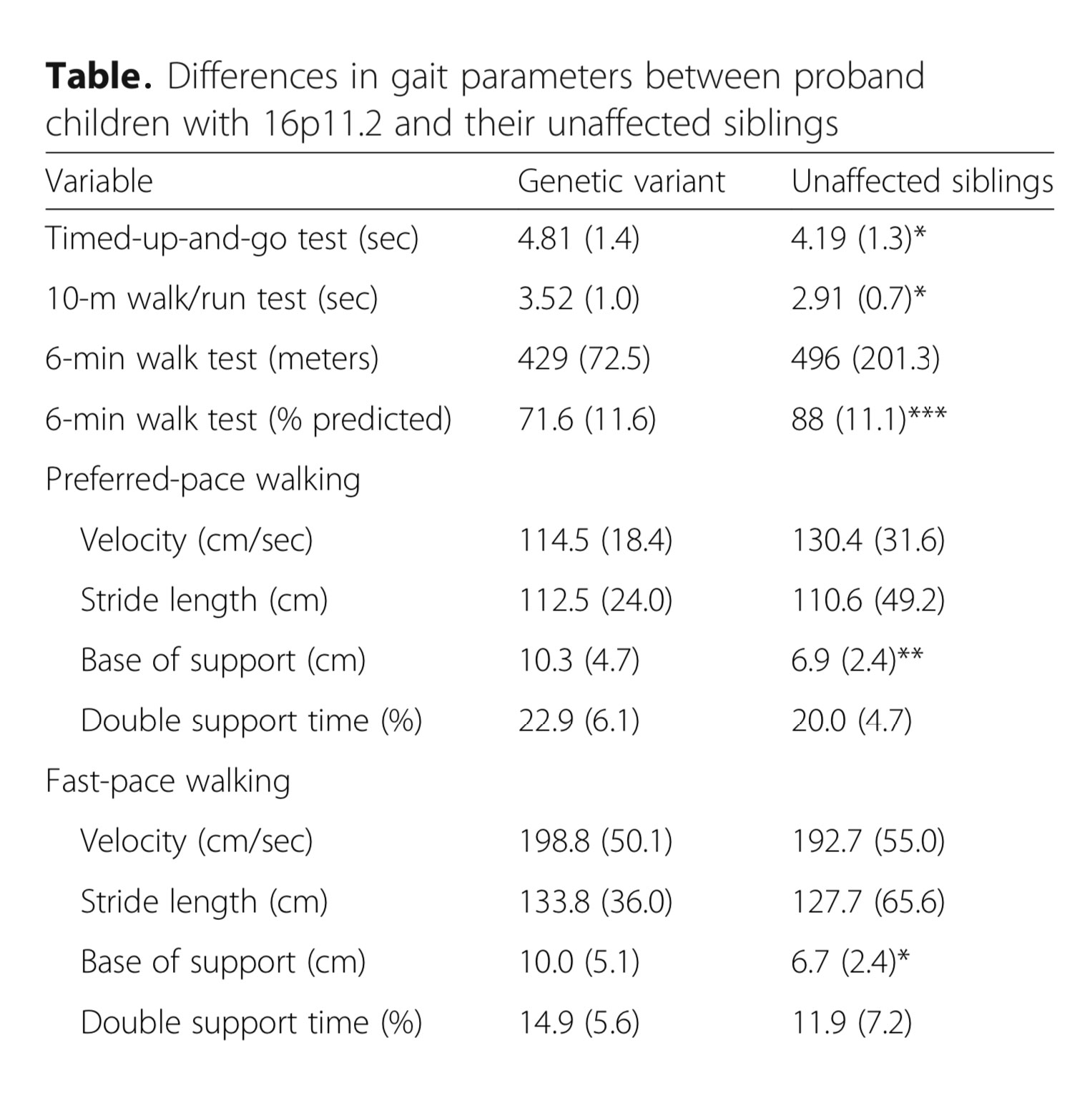
Quantitative Gait Assessment in Children With 16p11.2 Syndrome
Neurodevelopmental disorders are frequently associated with motor impairments including locomotion. These study findings highlight the importance of using precise measures to differentiate motor dysfunction in neurodevelopmental disorders.
By Sylvie Goldman, Aston K. McCullough, Sally Dunaway Young, Carly Mueller, Adrianna Stahl, Audrey Zoeller, Laurel Daniels Abbruzzese, Ashwini K. Rao, and Jacqueline Montes.
Early Orthotic Intervention in Pediatric Patients, Part 2: Down Syndrome, other neurological conditions, and toe walking
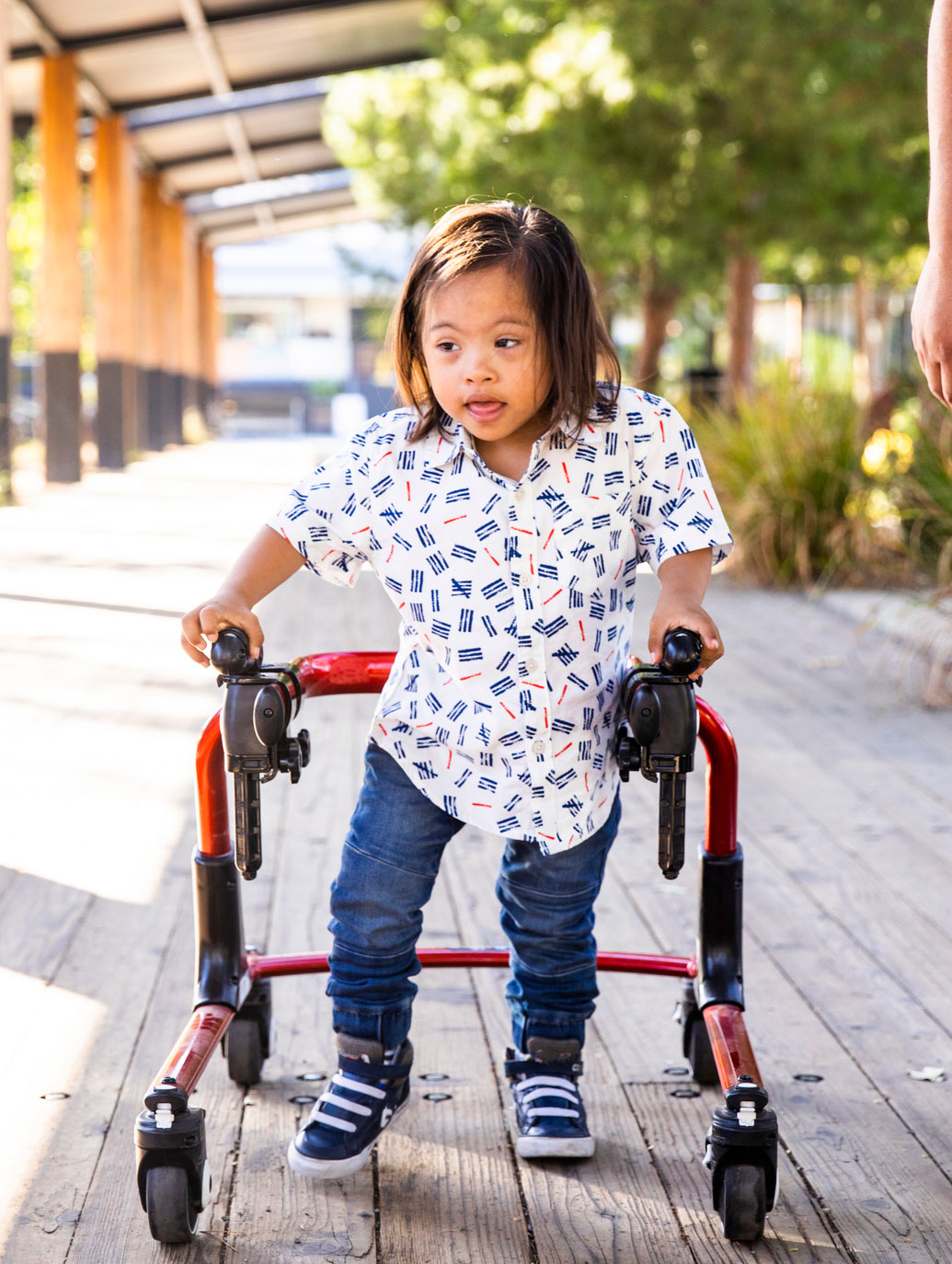
Down Syndrome is associated with a long list of compensatory gait symptoms due to hypotonia, triplanar foot and ankle misalignments, sagittal and coronal compensation at the knee, proximal weakness, and equinus contractures, all of which need to be treated. How early depends on the individual child.
By Cary Groner
Proof-of-Concept Prosthetic Leg Has Proprioception, Reduces Phantom Limb Pain
Two people with transfemoral amputations have been able to feel their prosthetic foot and knee in real time via 4 intraneural sensors that connect to residual nerves in the thigh. The resulting neurofeedback reduces the physical and mental strain for prosthetic users and has been shown to reduce phantom limb pain.
Noridian Updates RA Modifier Guidelines for DMEPOS
Noridian, the Durable Medical Equipment (DME) Medicare Administrative Contractor (MAC) for Jurisdictions A and D, has updated its guidelines regarding use of the RA Modifier, which is to be used for replacement of a DME, orthotic, or prosthetic item.
CMS Publishes New Fact Sheet for Correct Billing of DMEPOS during Inpatient Stays
A recent report by the US Department of Health & Human Services, Office of Inspector General determined that Medicare improperly paid suppliers for durable medical equipment, prosthetics, orthotics, and supplies (DMEPOS) items provided during inpatient stays. Medicare should not pay a supplier for items furnished to a beneficiary when the beneficiary is still an inpatient.
UW–Madison, Spinoff Testing Silver-Bearing Bandage for Wound Healing
The University of Wisconsin–Madison (UW–M) and a spinoff company, Imbed Biosciences, Fitchburg, WI, have received a $1.5 million, 2-year grant from the National Institutes of Health to test whether adding gallium metal ions to an ultra-thin material carrying antimicrobial silver can defeat the “biofilms” that shield bacteria from antibiotics.
Urea 40% Foot Cream
Tight and uncomfortable shoes, an active lifestyle, and long hours at work can damage the skin of one’s heels. Conceived as a treatment for such harm, PurSources Urea 40% Foot Cream is formulated to heal damaged feet in the quickest amount of time possible. This soothing foot product has a cooling sensation when applied, and it incorporates tea tree oil to repel fungal bacteria.
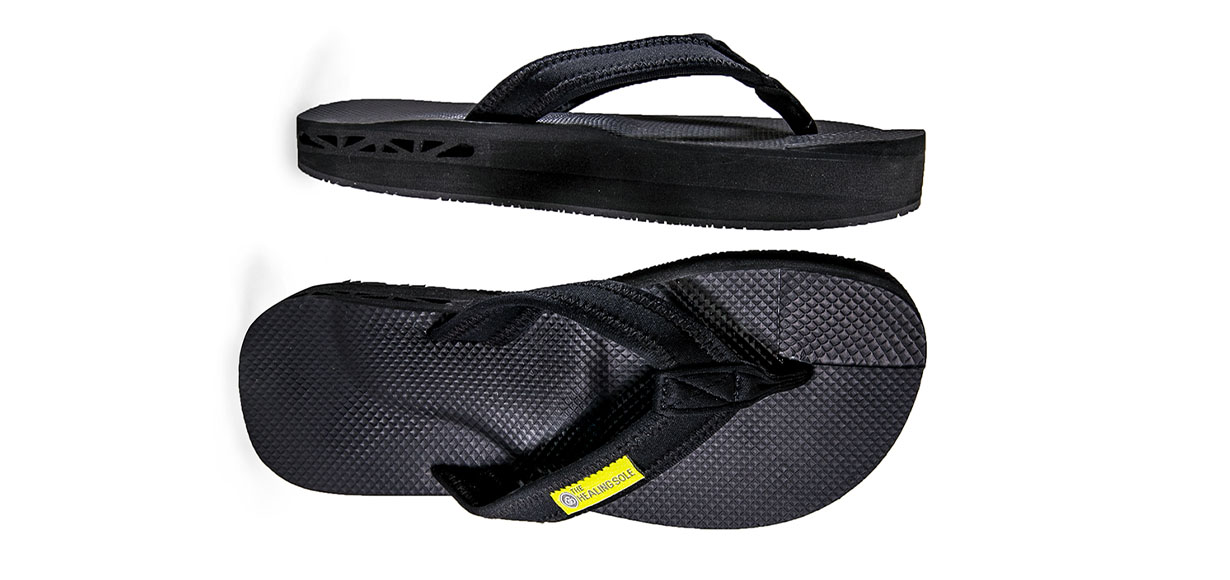
Plantar Fasciitis–Treating Flip Flop
The Healing Sole, a patented flip flop invented by orthopedic foot surgeon Meredith Warner, MD, was fashioned to promote recovery and general foot health by gently stretching and taking pressure off the wearer’s foot so the body can rest and heal itself over time. The product’s firm sole is designed to speed up the recovery of common foot presentations like plantar fasciitis, forefoot pain, and tendonitis.
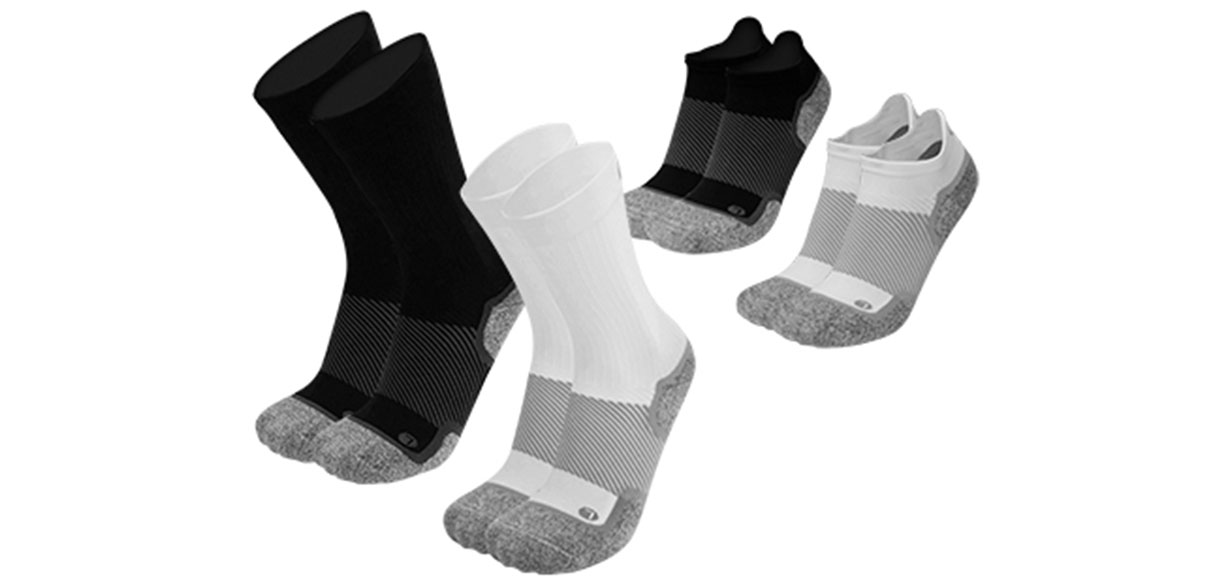
OS1st WP4 Wellness Performance Socks
OS1st WP4 Wellness Performance Socks are the latest innovation in ING Source’s Socks with Purpose Program. The WP4s are strategically designed for individuals who suffer from diabetes, sensitive feet, edema, neuropathy, and poor circulation. They feature four zones of graduated compression to help boost circulation, reduce friction, and provide overall foot support.
Join
Subscribe For Updates
Stay in the loop with the latest news and updates! Subscribe now to receive exclusive content, special offers, and important announcements straight to your inbox. Don’t miss out – join our community today for all the latest updates delivered directly to you.