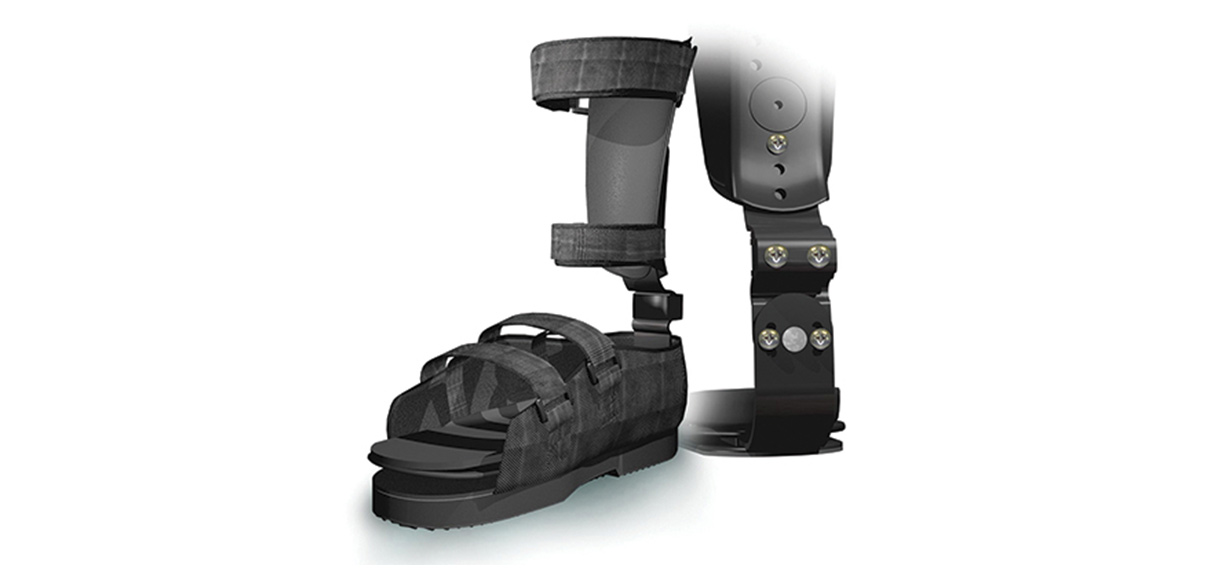
The Abby Articulating Ankle Foot Orthosis (AFO) from Anatomical Concepts is a multifunctional, posterior dual-jointed device for the early stages of rehabilitation. With a stable base of support and a new nonskid low-profile plantar surface, it is…
Lower Extremity Review
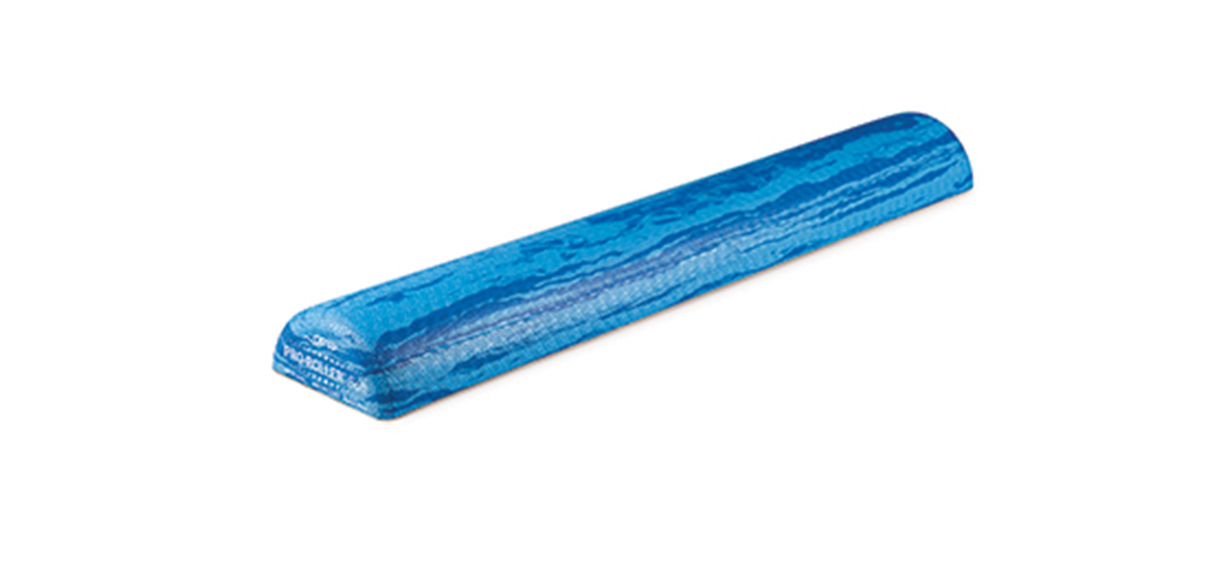
Pro-Roller Soft Half
OPTP has added a new foam roller to its elite Pro-Roller line. The Pro-Roller Soft Half measures 36″ in length and 3″ in diameter. The roller’s unique shape is flat on one side and round on the other. Using the flat side down provides improved stability for balance training and…
Microfiber Shades Now in Heather
For people who need to wear graduated compression every day but want to add a pop of color to their wardrobe, Sigvaris North America is launching two fun new additions to the Microfiber Shades line of compression socks—navy heather and graphite heather socks.
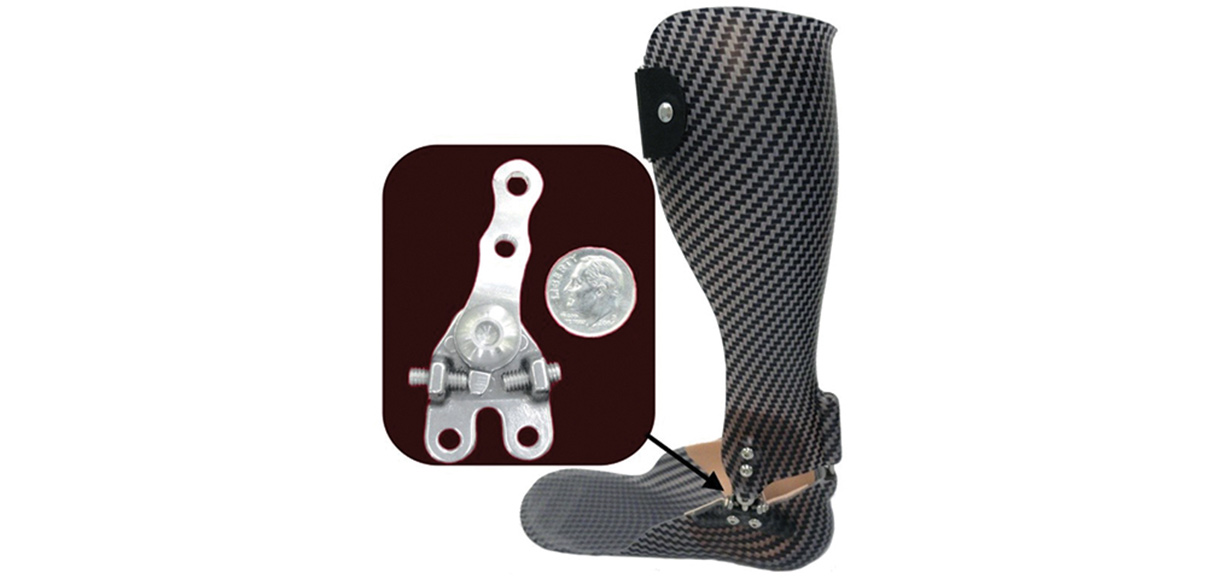
FC2 Flexion Control Ankle Joint
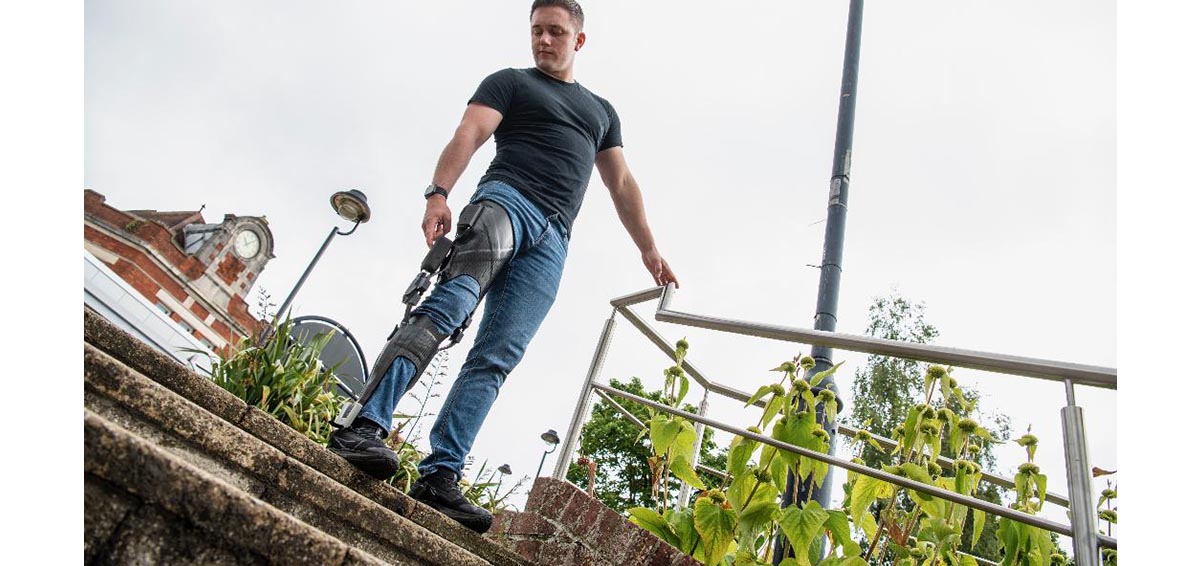
Lower Extremity Technology has retooled the FC2 Flexion Control Ankle Joint to simplify fabrication. The multi-axis hinge offers 70° of full range of motion. The new design features an improved hinge axis for strength and durability, and updated casting for more support around the…
Custom-milled Orthotic Flip-flops
Footmaxx now offers custom-milled orthotic flip-flops. The orthotic flip flops are hand-crafted from durable materials, including a slip-resistant rubber sole, to support and stabilize the feet and lower extremities. Women’s styles include Rio, with…
Clinician-patient communication: How personal connections can improve outcomes
Increasingly, lower extremity practitioners are realizing the clinical importance of patient communication. They’re also starting to realize that effective communication requires more than just using the right words.
By Hank Black
Management of athletes with early-stage PTTD
Posterior tibial tendon dysfunction (PTTD), known also as tibialis posterior tendon dysfunction, is one of the leading causes of acquired flatfoot in adults, but the…
By By Frank Layman, PT, DPT, EdD, MT; and April Wilson, PTA, BS, CI, CKTP, IASTM
Support for dry needling builds among clinicians
Dry needling is gaining momentum as an alternative therapy for myofascial pain, and is supported by a small but growing body of research as well as anecdotal evidence. But the training and expertise required to perform the procedure has become a topic of debate.
By P.K. Daniel
Chronic ankle instability, gait, and muscle activity
New research suggests lower extremity clinicians should consider implementing gait training in combination with targeted strengthening of the peroneus longus and gluteus medius muscles to help restore normal gait patterns in patients with chronic ankle instability.
By Rachel Koldenhoven, MEd, ATC
Reducing postoperative thromboembolism risk
Preventing deep venous thrombosis and pulmonary embolism after lower extremity surgery can involve pharmaceutical therapies or mechanical interventions. The type of prophylaxis used depends on the type of surgery, pre-existing risk factors, and patient preference.
By Barbara Boughton
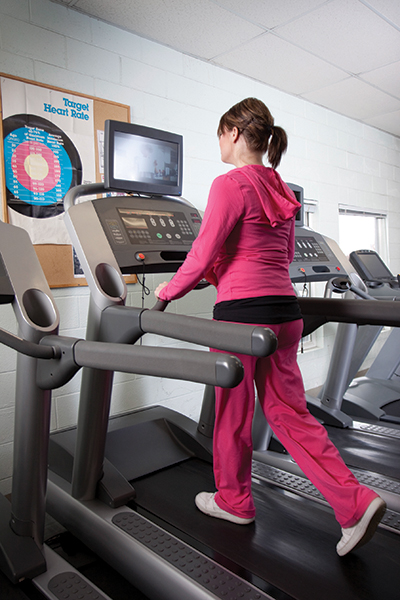
Step-rate manipulation and foot-strike pattern
In distance runners, step-rate manipulation of at least 10% above a runner’s preferred rate may be an effective clinical gait retraining method to decrease the severity of foot inclination angle at heel strike and…
By Darrell J. Allen, PT, DPT, MS, SCS, CSCS; Hollie Heisler, PT, DPT; and Jennifer Mooney, PT, DPT
Out on a limb: Brains, sprains, & the NFL
National Football League (NFL) players say they worry more about lower extremity injuries than concussions. But a growing body of evidence suggests the latter injury actually increases the likelihood of the former.
By Jordana Bieze Foster, Editor
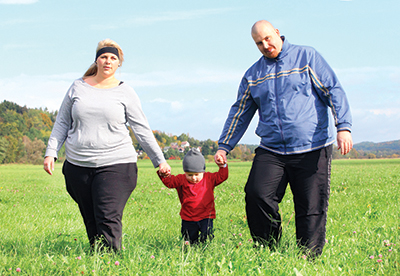
Offloading and obesity: Gait study data have OA implications
Gait interventions can alter knee loading in obese patients, which may have implications for knee osteoarthritis (OA), according to three studies presented in August at the annual meeting of the American Society of Biomechanics in Raleigh, NC.
By Katie Bell
Even mild LLD affects gait in ways that could speed knee degeneration
The effects of mild limb-length discrepancy (LLD) on gait in patients with knee osteoarthritis (OA) may contribute to disease progression, according to research epublished in August by Clinical Biomechanics.
By Jordana Bieze Foster
Not all meniscal pathology on MRI is relevant in patients with knee OA
Some—but not all—characteristics of meniscal damage on magnetic resonance imaging (MRI) scans are associated with knee osteoarthritis (OA) severity and two-year progression, according to research from Tufts Medical Center in Boston, MA.
By Jordana Bieze Foster
Join
Subscribe For Updates
Stay in the loop with the latest news and updates! Subscribe now to receive exclusive content, special offers, and important announcements straight to your inbox. Don’t miss out – join our community today for all the latest updates delivered directly to you.