Spenco Medical introduces the PolySorb ProForm, an insole that provides cushion and support for tight-fitting shoes. The ProForm, an ultra-thin insert, is designed to provide comfort in shoe styles that typically do not have room for an insole. Its four-way stretch...
Lower Extremity Review
MedEfficiency TCC-EZ Boot
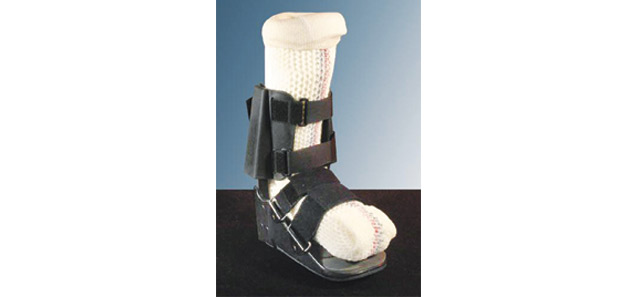
MedEfficiency has released an improved TCC-EZ Boot for diabetic foot ulcer healing. The updated TCC-EZ Boot, designed for use with the TCC-EZ Total Contact Cast System, features a Velcro closure, side paddles that grip the TCC-EZ cast, and a new sole tread design that...
Insightful Products Step-Smart Brace
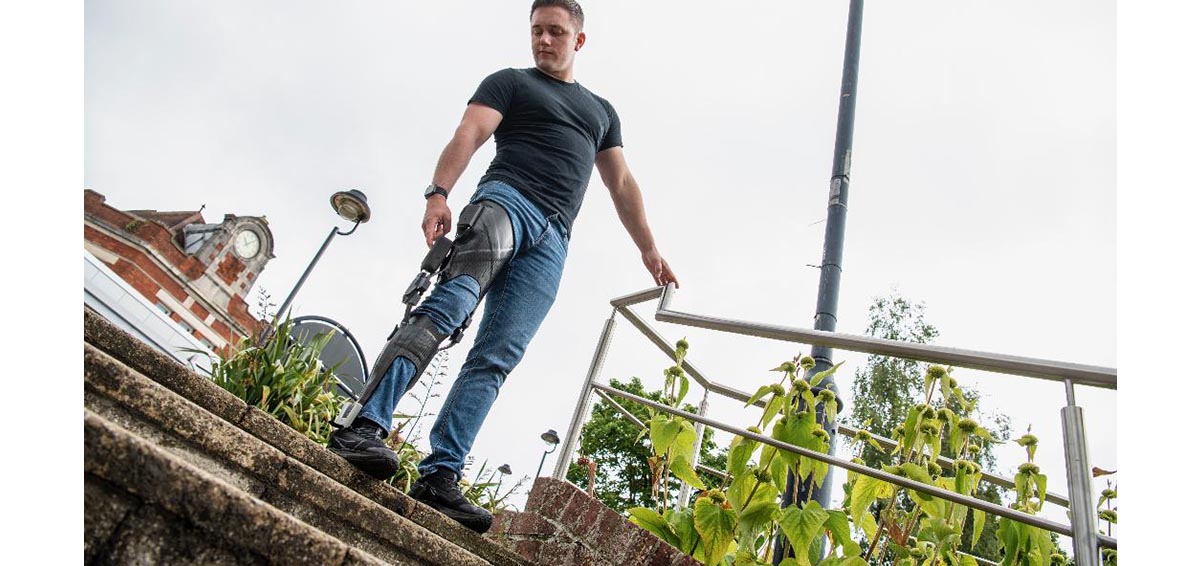
Insightful Products’ new Step-Smart brace for foot drop pushes the foot into gentle dorsiflexion during swing phase and then decelerates the foot during heel strike. The brace is designed to provide correct timing of shock absorption and the appropriate level of...
Össur Re-Flex Rotate Foot
Össur’s Re-Flex Rotate with energy vector optimization is a durable high performance foot that provides both vertical and rotational shock absorption as well as smoother rollover for increased stability in stance. The combination is appropriate for very active or...
Euro International Therapeutic Shoes
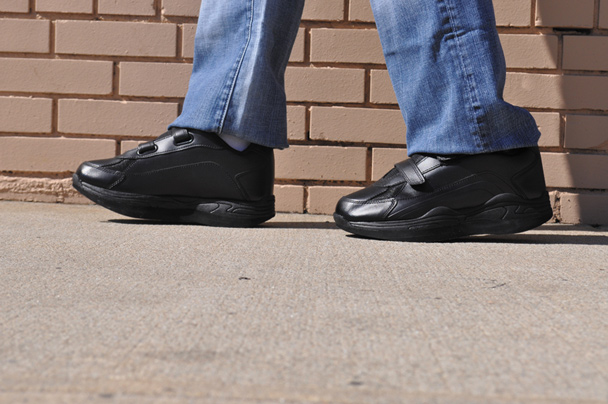
Euro International introduces a new therapeutic shoe line, and now offers an assortment of surgical and foot-relief shoes, including the Mars, Saturn, Jupiter, Venus, Merkur, Uranus, and Neptune models. The new line features high-quality craftsmanship and material...
Pedifix GelSmart Toe Spacer
PediFix introduces the GelSmart gel toe spacer, which is equipped with a gel loop to fix the device in place. The toe spacer with stretchable gel loop, made from a comfortable, durable gel material, separates the hallux and second toe to limit rubbing and friction....
Foot Foundation Balance System
The Foot Foundation’s new Sports Balance System measures and controls pronation with archless, custom-angled, full-foot foundations that can be used in almost any shoe, including athletic shoes. The SBS measurements correspond with one of 12 custom angled...
Momentous adaptations: Offloading the knee through gait modification
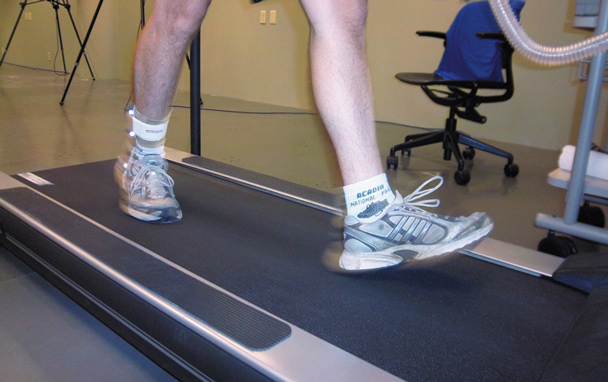
Changing the way people walk can significantly decrease knee external adduction moments, which in turn appears to relieve pain and possibly slow the progression of osteoarthritis. The challenge, however, is finding a gait modification that feels and appears natural to patients.
By Lydia Caldwell, BS, and Joaquin Barrios, PT, DPT, PhD
Out on a limb: A thin disguise
It’s hard to remember sometimes that being thin was once undesirable, a sign of poverty, poor nutrition, and low social status. These days, Hollywood-style thinness is associated with wealth—the kind of wealth that might buy the services of a personal dietitian, personal chef, and personal trainer.
By Jordana Bieze Foster, Editor
The role of rocker soles in reducing ulcer risk
Study findings suggest that rocker soles effectively reduce peak plantar pressures in patients at risk for diabetic foot ulceration, particularly when paired with custom orthoses. Whether or not rocker soles can play a role in healing active neuropathic ulcers, however, remains unclear.
By Emily Delzell
Effects of balance training in individuals with CAI
Research supports the use of balance training to improve physiological and clinical outcome measures in patients with chronic ankle instability. Now researchers and clinicians must use that knowledge to optimize the incorporation of balance training into CAI rehabilitation protocols.
By JoEllen M. Sefton, PhD, ATC, CMT, and Kenneth E. Games, MEd, ATC
Pros, cons of pressure in foot orthosis design
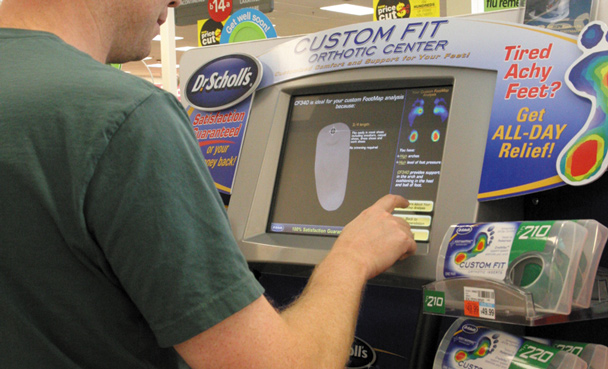
There’s little question that dynamic pressure data have benefit for designing foot orthoses, particularly for diabetic patients, but recent focus on the technology’s limitations has clinicians wondering about cost justification. And what about those ubiquitous drugstore kiosks?
By Cary Groner
Gait analysis influences care of children with CP
Instrumented gait analysis can help characterize abnormal gait patterns in patients with cerebral palsy, which improves clinical decision making. Early interventions based on gait analysis can help minimize the long-term adverse effects of poor biomechanics.
By Frank M. Chang, MD, Jason T. Rhodes, MD, MS, Katherine M. Davies, BA, and James J. Carollo, PhD, PE
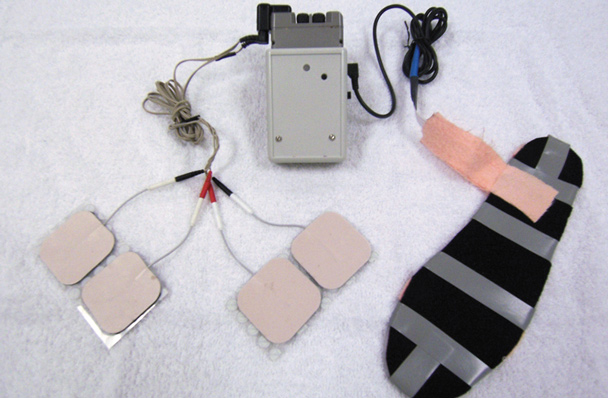
Next step for FES focuses on plantar flexor muscles
Functional electrical stimulation of the ankle dorsiflexor muscles effectively reduces foot drop in stroke patients, but also is associated with limitations. Now researchers are looking to address those limitations by adding plantar flexor stimulation to the mix.
By Emily Delzell
PFP: Vasti revisited
Other factors may warrant focus
Research presented in August at the annual meeting of the American Society of Biomechanics in Long Beach, CA, adds support to the increasingly popular idea that patellofemoral pain syndrome arises from different mechanisms—and therefore should be managed differently—in different subgroups of patients.
By Jordana Bieze Foster
Join
Subscribe For Updates
Stay in the loop with the latest news and updates! Subscribe now to receive exclusive content, special offers, and important announcements straight to your inbox. Don’t miss out – join our community today for all the latest updates delivered directly to you.