







By Teresa Alpert
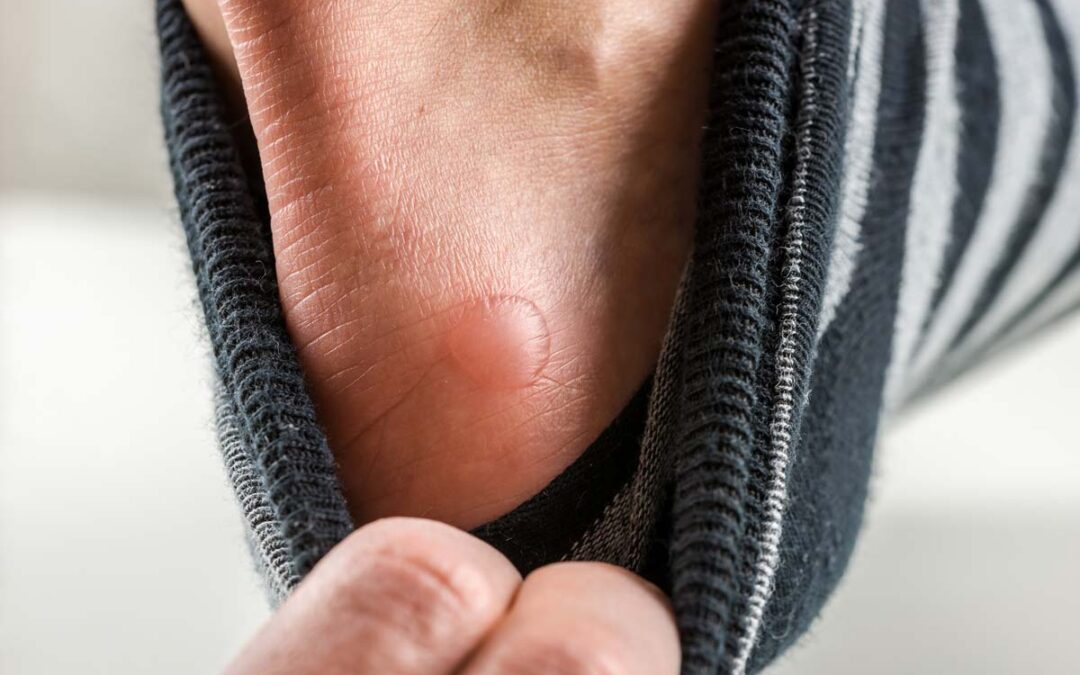
 For someone with hemophilia, foot blisters can be a significant concern because their blood clotting disorder makes it difficult for even small injuries to stop bleeding, potentially leading to larger, more painful blood blisters on the feet. Foot blisters of the skin can be caused by friction from poorly fitting socks and shoes and be compounded with excessive activity.
Key Points About Hemophilia and Foot Blisters
Increased risk of blood blisters: People with hemophilia are more prone to developing blood blisters on their feet compared to the general population due to their inability to clot blood effectively.
- Causes of foot blisters in hemophilia:
- Poorly fitting shoes: Shoes that are too tight or rub against the feet can easily cause blisters, especially on pressure points. Hard stiff fabrics that rub against the ankle area or toe box.
- Excessive activity: Strenuous exercise or prolonged walking can put added pressure on the feet, leading to blister formation.
- Foot deformities: Conditions like bunions or hammertoes can increase friction and blister risk.
- Appearance of blood blisters: These blisters may appear red, single or in clusters, with clear fluid or pooled blood inside, and can be more painful than regular blisters.
Management Strategies for Foot Blisters in Hemophilia:
Preventative Measures
- Proper footwear: Wear well-fitting shoes with good support and cushioning.
- Regular foot care: Inspect your feet daily for any signs of irritation or potential blister formation.
- Sock selection: Choose moisture-wicking socks to prevent excessive sweating. Socks are the first line of defense. They are the interface between your skin and the footwear. A properly fitting sock that grips the heel and has room in the toe area that holds your foot shape is best.
- Blister socks are often made from materials that are breathable and moisture-wicking to help keep feet dry and prevent blisters:
- Natural fibers
Mohair can keep feet cool in the summer and warm in the winter, while wool is highly hygroscopic and can hold 30–50% of its weight in moisture. Cotton absorbs and holds onto moisture. - Synthetic fibers
Acrylic, polyester, and polypropylene are hydrophobic, meaning they repel water and dry quickly. They also provide cushioning when wet and hold their shape better than natural fibers. - Moisture-wicking fabrics
COOLMAX® is a polyester blend that’s designed to move moisture away from the feet. - Bioceramic fibers
When combined with recycled polyester fibers, bioceramic fibers can reduce friction and bacteria.
- Natural fibers
- Activity modification: Gradually increase activity levels and avoid activities that put excessive stress on your feet.
Treating Foot Blisters:
- Protect the blister: Apply a soft bandage or padding to protect the blister from further irritation.
- Do not pop the blister: Leave the blister intact to allow it to heal naturally.
- Consult a healthcare professional: Discuss any foot concerns with your hemophilia treatment center to develop a personalized foot care plan.
- Early intervention: Addressing foot problems early can help prevent complications and minimize discomfort.
Teresa specializes in lower extremity biomechanics. She is a respected leader in her industry, lecturer, and educator. She holds a faculty appointment at the University of Colorado as the Orthotist at the Foot and Ankle Institute. She created and implemented the DME, O&P division for the orthopedic department. She is responsible for training the Residents and Fellows, working with the Gait Lab, and researching and directing patient care. Teresa Alpert completed her orthotics and prosthetics coursework at Northwestern University in 1987. In addition, she attended Ball State University, Apex University, and Eneslow Pedorthic training. Certified by both the ABC and BOC as an Orthotist and Pedorthist, Alpert has been in private practice for over 30 years. Teresa was the past Chairwoman for (BOC) the Board of Orthotist, Prosthetists, Pedorthics Certification, and Education Chairwoman for the National Shoe Retailers Association. She was past president of Pedorthic Footcare Association (PFA) and currently is the Executive Director. Teresa is passionate about helping people each step of the way.
- Patient.info. Foot blisters. https://patient.info/foot-care/foot-blisters. Accessed January 19, 2026.
- Nationwide Children’s Hospital. The ABCs of blister care. https://www.nationwidechildrens.org/specialties/sports-medicine/sports-medicine-articles/the-abcs-of-blister-care. Accessed January 19, 2026.
- Healthy Feet. Causes and duration of foot blood blisters. https://www.healthy-feet.com/component/k2/item/771-causes-and-duration-of-foot-blood-blisters. Accessed January 19, 2026.
- 341 Foot Care. Definition and causes of foot blood blisters. 341 Foot Care. https://www.341foot.com/blogs/item/205-definition-and-causes-of-foot-blood-blisters. Accessed January 19, 2026.
- FixFeet. Blood blisters. http://www.fixfeet.org/foot-care/important-foot-care-information/blood-blisters/. Accessed January 19, 2026.