
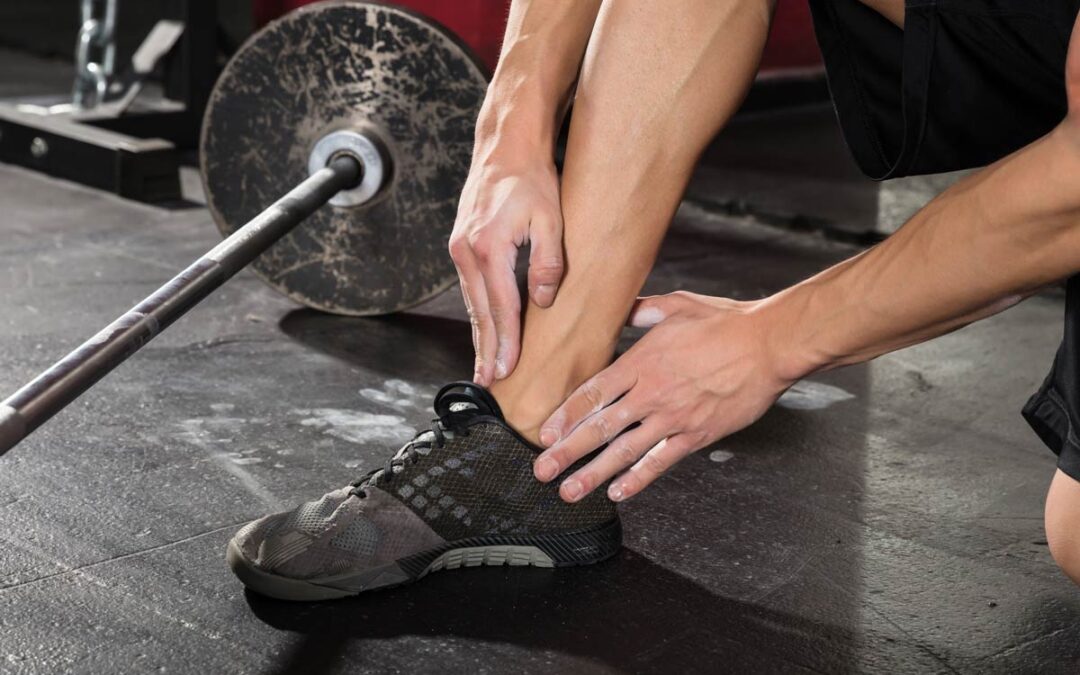








 Weightlifting continues to increase in popularity due to its numerous benefits for physical health, performance enhancement, and age-related functional preservation. Although previous studies have investigated injury patterns in strength athletes, few have examined lower extremity injuries among the general population.
A retrospective cohort study of the National Electronic Injury Surveillance System (NEISS) was conducted to identify emergency department visits for lower extremity injuries related to weightlifting between January 1, 2014, and December 31, 2023.
The sample included 6846 cases (national estimate [NE] = 260,704). The mean age was 32.20 ± 30.71 years, with approximately 69.9% of the study population being male. Common diagnoses were contusion/abrasion (n = 1435; NE = 55,722; weighted percent of NE = 21.0%), fracture (n = 1321; NE = 48,344; 19.5%), and nerve injury (n = 348; NE = 15,397; 5.1%). The most commonly affected body parts were lower trunk (n = 2575; NE = 101,480; 37.6%), toe (n = 1697; NE = 60,871; 24.8%), and foot (n = 1389; NE = 52,860; 20.3%). Pediatric patients experienced the highest proportion of injuries to the toe (NE = 22,328, 35.2%) and foot (NE = 18,223, 28.7%), whereas high rates of lower trunk injuries were observed in young adults, middle-aged adults, and geriatric populations (NE = 60,594, 47.0%; NE = 25,559, 46.7%; NE = 4528, 33.7%; respectively).
The increased risk of foot and toe trauma in pediatric patients and high incidence of injuries due to dropped weights highlight the need for increased supervision, education, and protective equipment. In contrast, adult lifters were commonly injured performing lifting movements, resulting in increased rates of lower trunk injuries.
Source: Nishida C, Lee PM, Kim N, et al. Weightlifting-associated lower extremity injuries among pediatric and adult patients: a national analysis from 2014 to 2023. Orthop J Sports Med. 2025 11;13(12):23259671251397390. doi: 10.1177/23259671251397390.