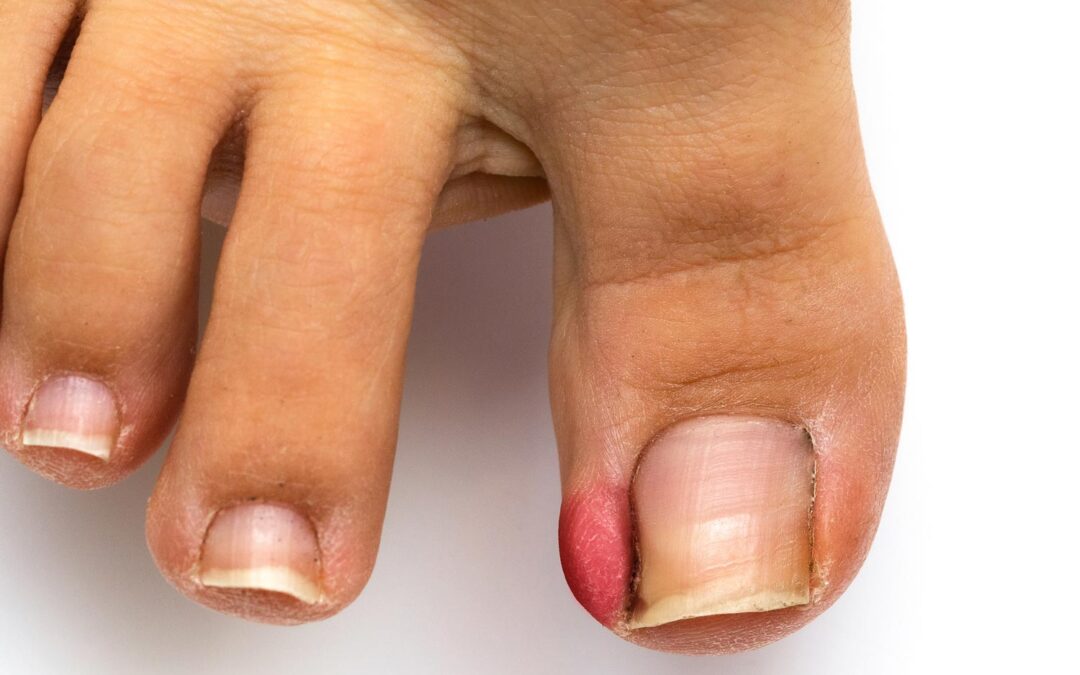








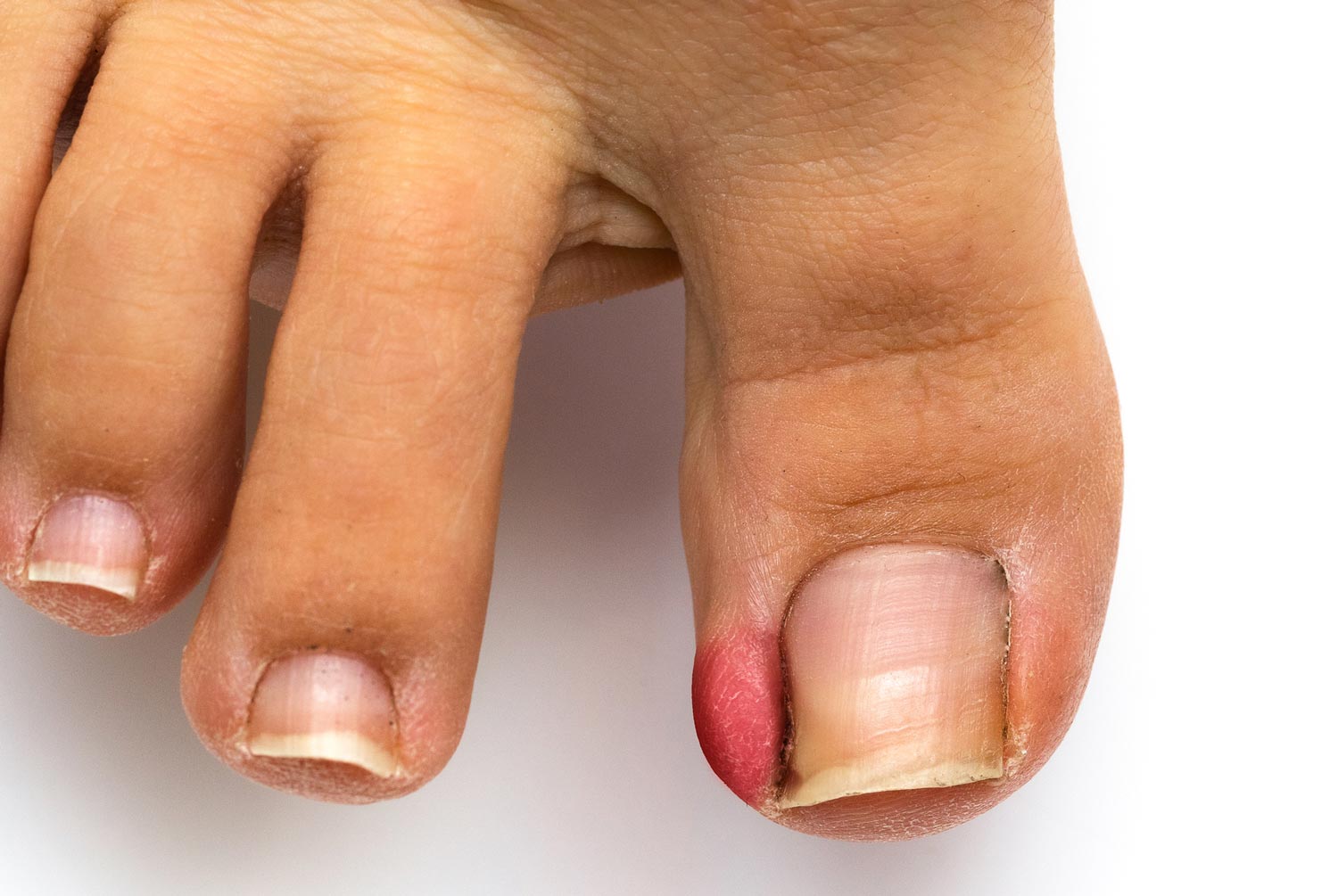
 Ingrown toenails, a common and often painful condition, frequently require surgical intervention for effective management. This study aimed to compare the clinical outcomes of partial nail avulsion (PNA) with and without adjunctive phenolization, specifically focusing on recurrence and postoperative wound infection rates.
A total of 140 patients were included and randomly divided into 2 groups: 70 patients in Group A (PNA with phenolization) and 70 patients in Group B (PNA without phenolization). For categorical variables, statistical analysis was conducted using the chi-square test; a P–value of 0.05 was regarded statistically significant. To assess other influencing elements, a subgroup study by age and gender was carried out.
Recurrence was significantly lower in Group A with 1 patient (1.43%) compared to 7 patients (10.0%) in Group B (P=0.029). Wound infection was also reduced in Group A, occurring in 4 patients (5.71%) versus 12 patients (17.14%) in Group B (P=0.034). Among younger patients (12–35 years), recurrence was 0 out of 46 (0.0%) in Group A versus 6 out of 41 (14.63%) in Group B (P=0.007), while in older patients (36–60 years), recurrence rates were similar (4.17% vs. 3.45%; P=0.891). Female patients in Group A had no recurrence (0 out of 31; 0.0%) compared to 4 out of 32 (12.5%) in Group B (P=0.042).
The researchers findings indicate that PNA combined with phenolization offers superior outcomes in reducing recurrence rates, especially among younger and female patients, compared to PNA alone.
Source: Shehar Bano Z, Ahmad Rana F, Irfan A, Tariq A, Iqbal MS. Comparison of partial nail avulsion with or without phenolization in the management of ingrown toenails. Cureus. 2025 10;17(5):e83837. doi: 10.7759/cureus.83837.