







 Skin wounds, which affect survival and biological functioning, are common in the animal kingdom. This study systematically investigated whether the slow wound healing observed in humans is a unique characteristic within the primate order.
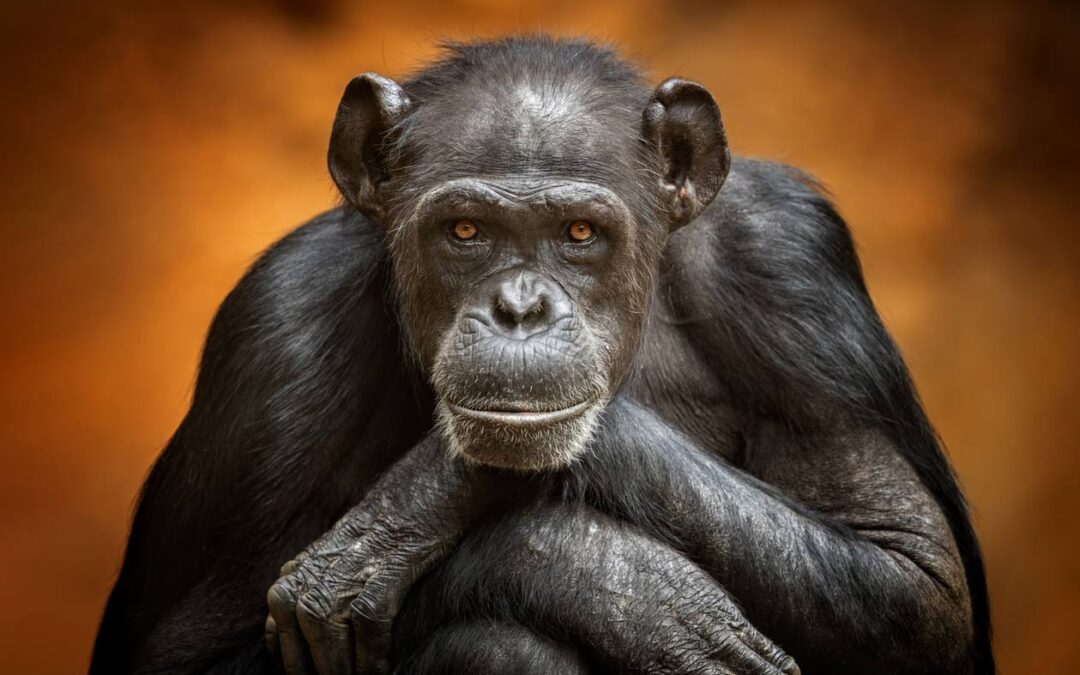
First, researchers found no significant difference in wound-healing rates between baboons under experimental conditions and those in their natural environment (0.613 mm d-1). Second, comparisons among 4 non-human primates (velvet monkeys, Sykes’ monkeys, baboons and chimpanzees) revealed no significant differences in wound-healing rates.
Furthermore, these rates showed no significant differences compared to those observed in rodents, suggesting a potential commonality in wound-healing rates across diverse animal species. In contrast, human wound-healing rates were found to be markedly slower (0.25 mm d-1), approximately 3 times slower than those observed in non-human primates. This finding indicates that the slow wound healing observed in humans is not a common characteristic among primate order and highlights the possibility of evolutionary adaptations in humans.
Understanding these inter-species differences in wound-healing rates may provide valuable insights into the evolutionary implications of wound healing. This study also underscores the need for further research into the biological processes underlying wound healing in various species.
Source: Matsumoto-Oda A, Utsumi D, Takahashi K. Inter-species differences in wound-healing rate: a comparative study involving primates and rodents. Proc Biol Sci. 2025;292(2045):20250233. doi: 10.1098/rspb.2025.0233. Use Per CC BY.