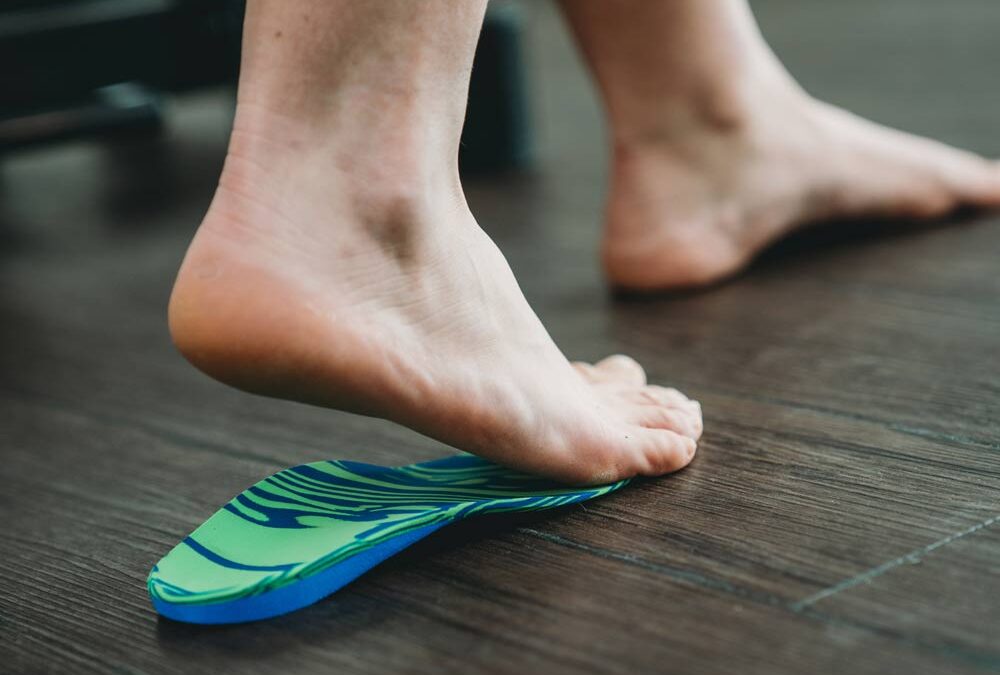








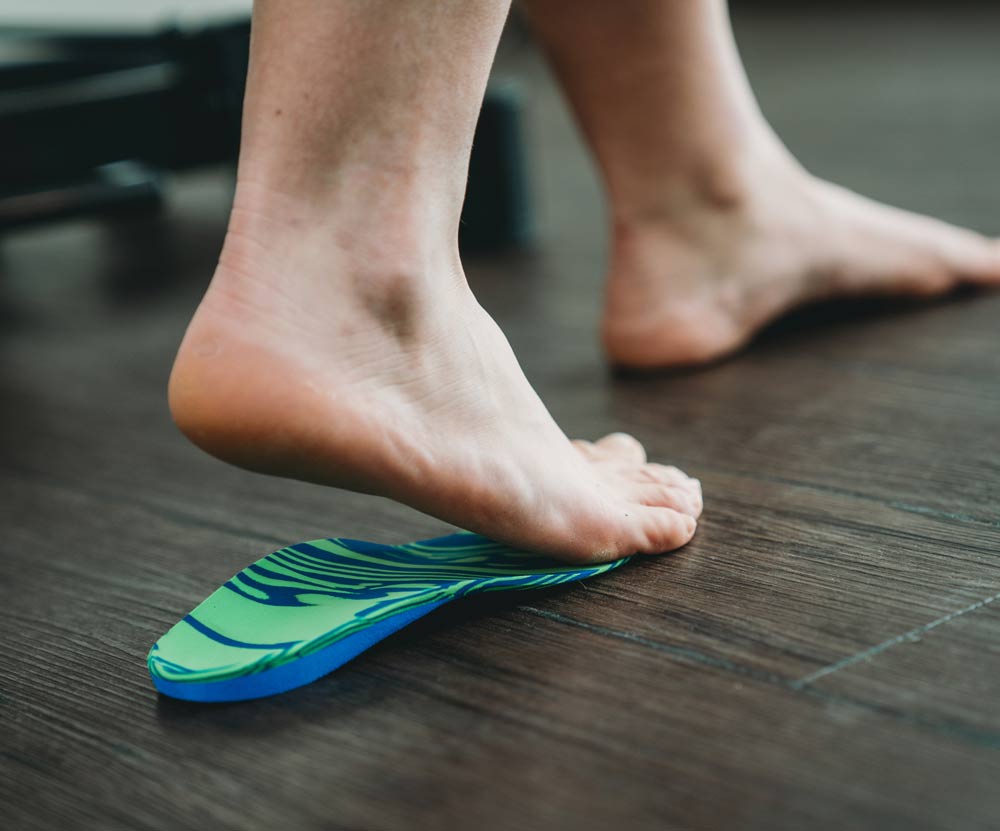
 An international team of researchers compared lower limb mechanics and muscle activation during walking at self-selected speed under 3 randomized conditions: 5° medial rearfoot posting, 5° medial rearfoot and forefoot posting, and a control flat insole.
A cross-sectional, repeated measures study was conducted on 16 subjects without major anatomical disorders, evaluating the kinematics, kinetics, and muscle activation from the lower limb and pelvis under 3 experimental conditions. Repeated Measures ANOVAs were performed to compare conditions.
The medially posted conditions increased the knee adduction impulse (P = 0.006). Significant reductions in muscle activity were noted for the abductor hallucis (P < 0.001) electroneuromyography (iEMG) for both sets of medial posted foot orthoses.
Both foot orthoses compared to control insole reduced foot protonation and hip internal rotation, increased the knee adduction impulse, and reduced the muscle activity of the abductor hallucis during the stance phase of walking.
Source: Trede R, Selfe J, Budini K, Melo P, et al. Foot orthosis with posterior-medial posting alone produces similar effects than anterior-medial plus posterior-medial postings on the lower limb mechanics and muscle activation during normal walking. J Bodywork Move Ther. 2025;42:862-867. Use is per CC BY.