Windlass mechanism impairment is evident in patients with diabetic neuropathy and could contribute to increased plantar pressures and ulceration risk, according to research from the …
By P.K. Daniel

Lower Extremity Review

Windlass mechanism impairment is evident in patients with diabetic neuropathy and could contribute to increased plantar pressures and ulceration risk, according to research from the …
By P.K. Daniel
Self-reported information about foot health from patients with type 2 diabetes, particularly those with peripheral neuropathy, is not reliable, according to research from the University of Western Australia in Perth.
By P.K. Daniel
Patients with diabetes often struggle with depression-like feelings, but research suggests those symptoms may not need to be treated as a comorbid psychiatric condition.
By P.K. Daniel

The patient in the video, an older woman with diabetic neuropathy, is a dog lover. Her dog-shaped earrings give this away. And this just might be the most important thing for the clinicians treating her to know.
An Arizona state Medicaid policy change designed to cut costs by eliminating podiatry services for diabetic foot infection had the opposite effect, according to a March presentation that included an extended analysis of previously reported data.
As the International Working Group on the Diabetic Foot (IWGDF) undergoes a transition in leadership, the organization is reporting significant progress in implementing its Train the Foot Trainer (TtFT) program in Central and South America.

A balance training program featuring a virtual reality feedback component improves postural stability and coordination in patients with diabetic peripheral neuropathy (DPN), which may in turn reduce their risk of falling, according to a study published in the November-December 2013 issue of the Journal of the American Podiatric Medical Association.
Practitioners should educate patients with diabetes about benefits of custom therapeutic footwear to encourage its use, according to a usability survey conducted by Dutch investigators.
First metatarsal (M1) length after metatarsal head resection influences reulceration risk, according to researchers at Complutense University of Madrid.
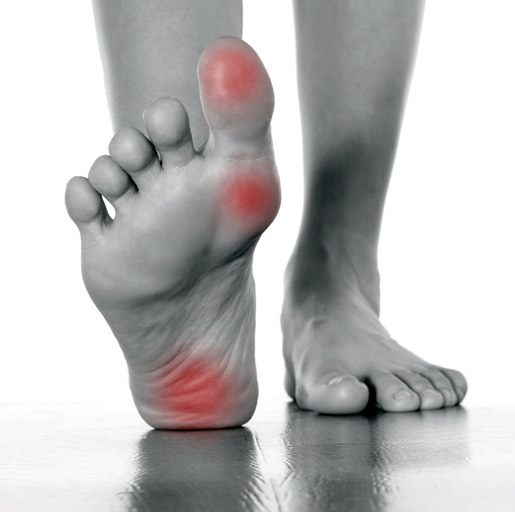
Practitioners often deem all areas of elevated peak plantar pressure in patients with diabetes at some risk for ulceration. A study published in September, however, suggests this risk varies with the specific location of pressure, and investigators say findings highlight the importance of monitoring plantar pressure as part of preventive care.
Clinicians should carry out quantitative vibration testing for sensory loss in patients at risk for diabetic neuropathy at the hallux, according to research that confirms the hallux undergoes greater sensory loss than the fifth metatarsal, an alternate location for vibration testing.
Diabetic neuropathy is associated with increased levels of intrinsic foot muscle deterioration, which may contribute to foot deformity and ulceration, according to research presented in September at the annual meeting of the American Society of Biomechanics in Omaha, NE.

Lower extremity amputation (LEA) rates in the US continue to fall, according to an analysis published in July that confirms earlier research demonstrating a steady decline beginning in the 1990s.
Orthotic therapy in patients with diabetes and a history of foot ulcers was associated with dramatic decreases in reulceration and amputation rates, according to data from Spanish researchers at the Universidad Complutense de Madrid.
Researchers from Taiwan confirmed that insoles with removable plugs reduce forefoot plantar pressures in patients with diabetic neuropathy, and those pressures are further reduced by adding arch support.
Join
Stay in the loop with the latest news and updates! Subscribe now to receive exclusive content, special offers, and important announcements straight to your inbox. Don’t miss out – join our community today for all the latest updates delivered directly to you.