The aging-induced increase in energy cost of walking can be slowed in older adults leading to improved mobility, according to new research published in the journal Innovation in Aging.
By Chris Klingenberg

Lower Extremity Review
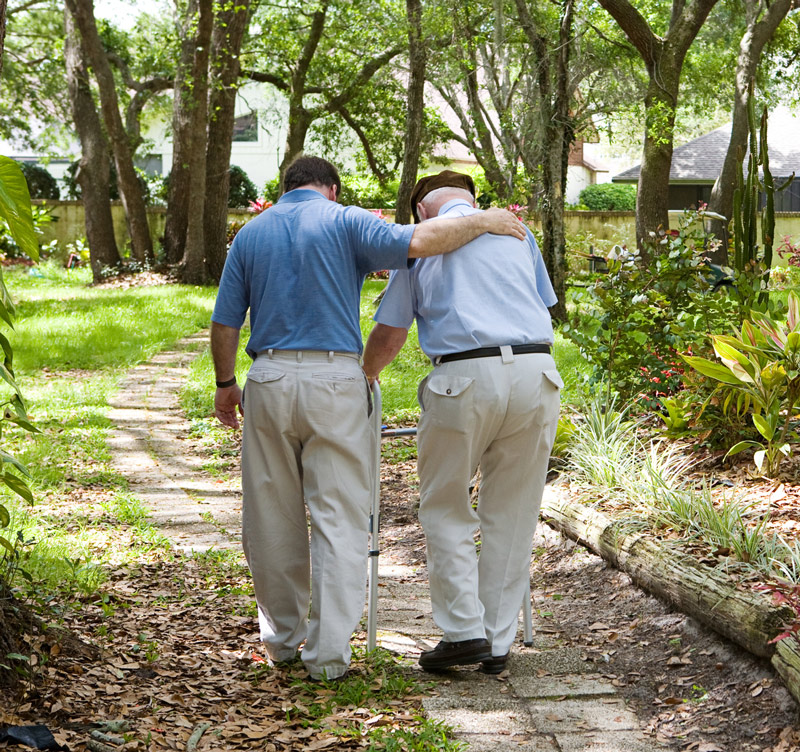
The aging-induced increase in energy cost of walking can be slowed in older adults leading to improved mobility, according to new research published in the journal Innovation in Aging.
By Chris Klingenberg
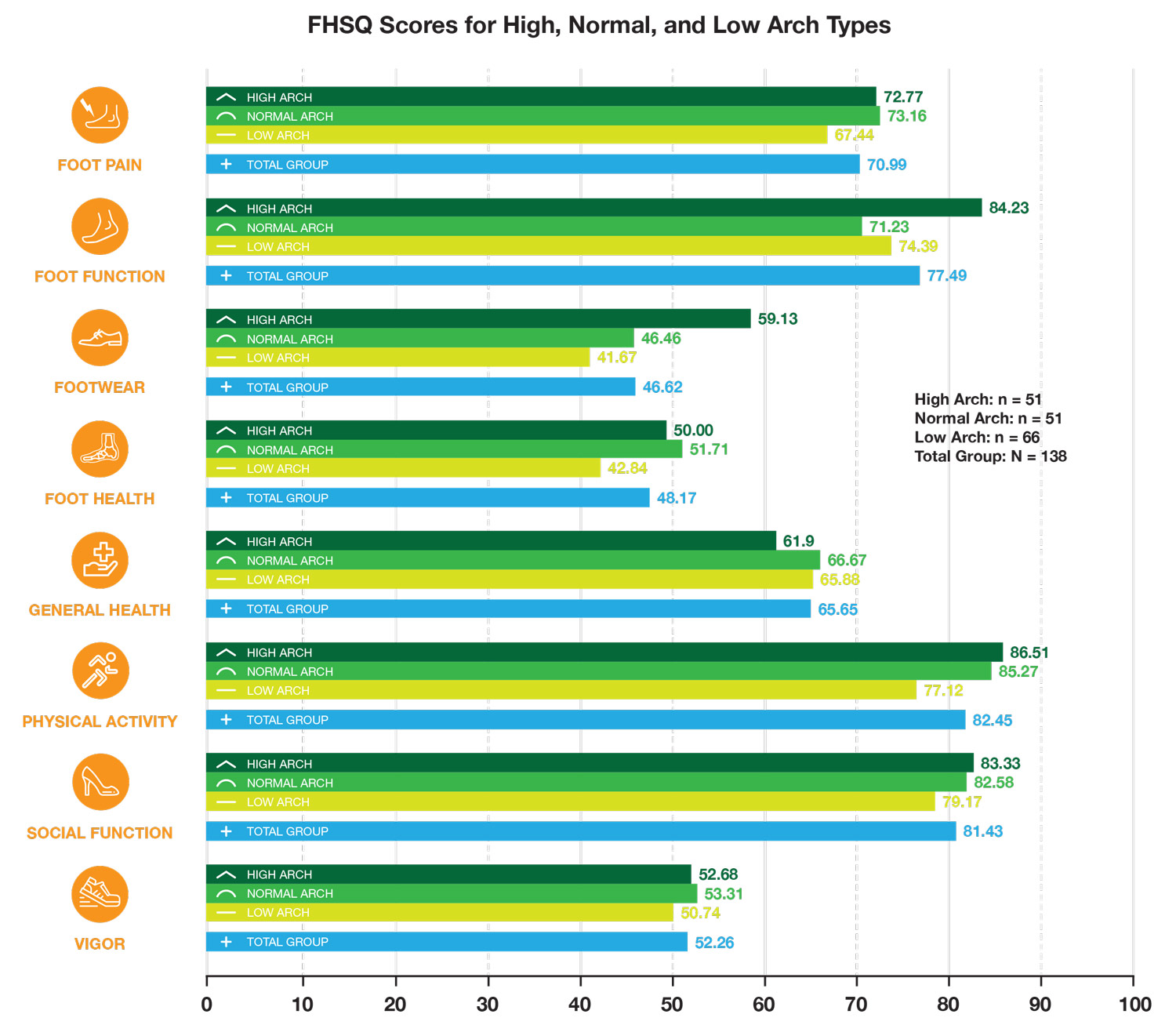
Foot-arch height does not affect specific foot and general health-related quality of life (QOL), according to a recent study in the International Journal of Environmental Research and Public Health.

Researchers from the Georgia Institute of Technology recently detailed the successful benchtop testing and pilot human movement studies of a 3D-printed knee brace. The brace, which has an embedded magnetic angle sensor and whose torsional stiffness can be adjusted by applying varying sizes of…

The US Centers for Disease Control and Prevention has confirmed 196 cases of acute flaccid myelitis (AFM), a rare polio-like condition, that causes weakness in the arms or legs, across 39 states in 2018. That number could rise as some cases are still under investigation.
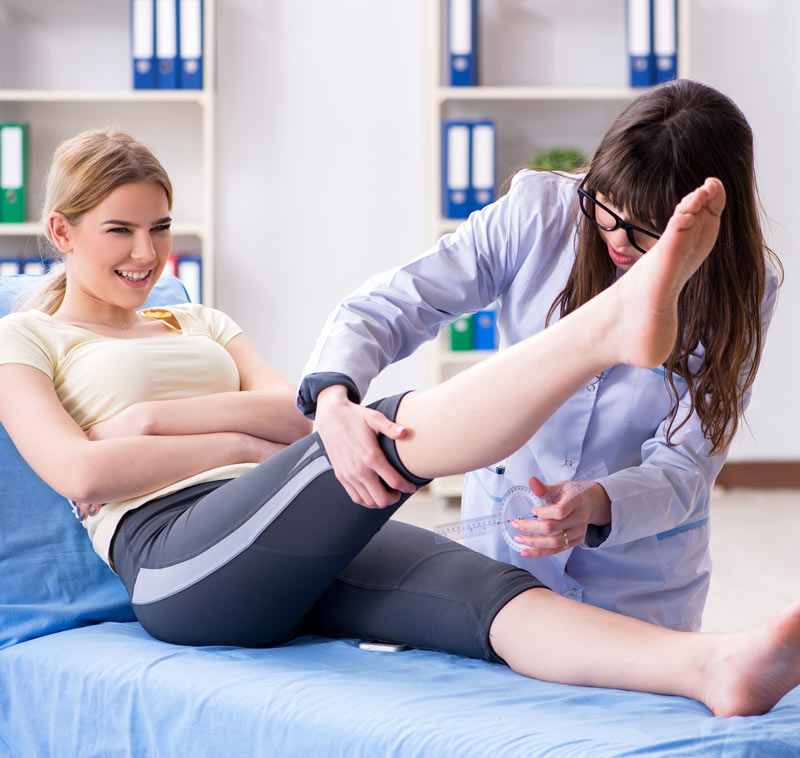
Patellofemoral pain (PFP), one of the most common knee problems in active people, is also one of the most challenging conditions to manage, due to its complex nature. To support athletic trainers and other healthcare providers who treat the problem, the National Athletic Trainers’ Association (NATA) has published recommendations and a framework for identifying risk factors and managing patients who experience PFP.
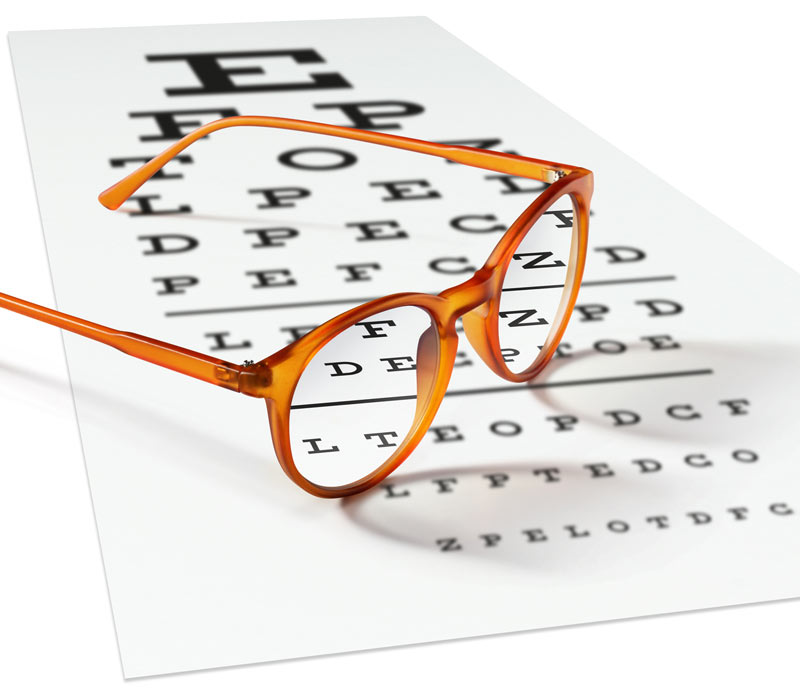
Poor vision has long been known as a risk factor for poor balance. This is particularly true in older adults as they perform complex balancing tasks, such as standing on 1 foot. A team of Canadian researchers wanted to determine whether poor vision would be more strongly related to standing balance in older adults who had peripheral vascular disease (PVD) or diabetes.

Youth-onset type 2 diabetes (T2D), defined as T2D that develops before 20 years of age, is a growing medical challenge in the United States. A national study reported a 4.8% increase in newly diagnosed cases of T2D in this age group from 2002 to 2012.
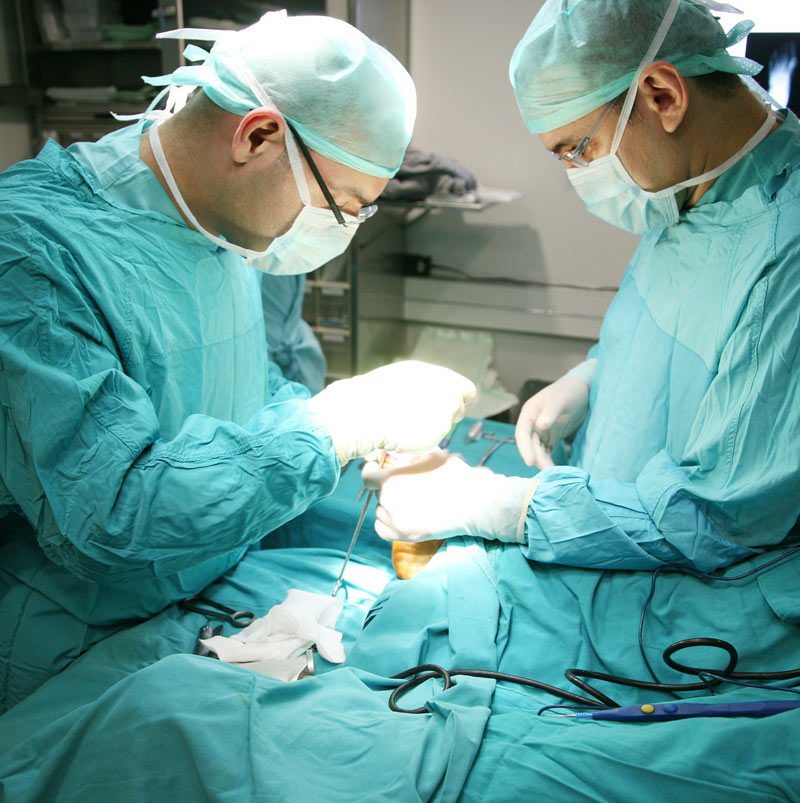
In an 8-year quality improvement follow-up study of reported surgical adverse events (AEs) at the US Veterans Health Administration (VHA), researchers found 277 AEs and 206 “close calls.” The data show a continuing of the downward trend from 1.74 to 0.47 AEs with harm for every 100,000 procedures, compared to the previous similar VHA studies (the periods 2001-2006 and 2006-2009).

A Connecticut allergy practice has agreed to pay $125,000 and enter a corrective action plan to settle an alleged Health Insurance Portability and Accountability Act (HIPAA) Privacy Rule violation. According to the US Department of Health and Human Services (HHS), the violation occurred when one of the practice’s physicians disclosed a patient’s protected health information to a member of the media.

Assessing how foot problems— namely, pain, neuropathy, and deformity— contribute to frailty syndrome has been a challenge for researchers, as transporting frail elders to lab facilities creates its own set of issues. But a recent study from the University of Arizona used wearable sensors to assess the seniors in their “natural” environment and found significant relationships between the number of foot problems and degree of frailty.

In a pre-specified, 3-year extension of a randomized clinical trial of equivalence, close-contact casting maintained equivalence in function compared to surgery in older adults with unstable ankle fracture. Furthermore, no significant differences were reported in quality of life or pain. The authors concluded that the focus of treatment for these patients should be on obtaining and maintaining reduction until union, using the most conservative means possible.
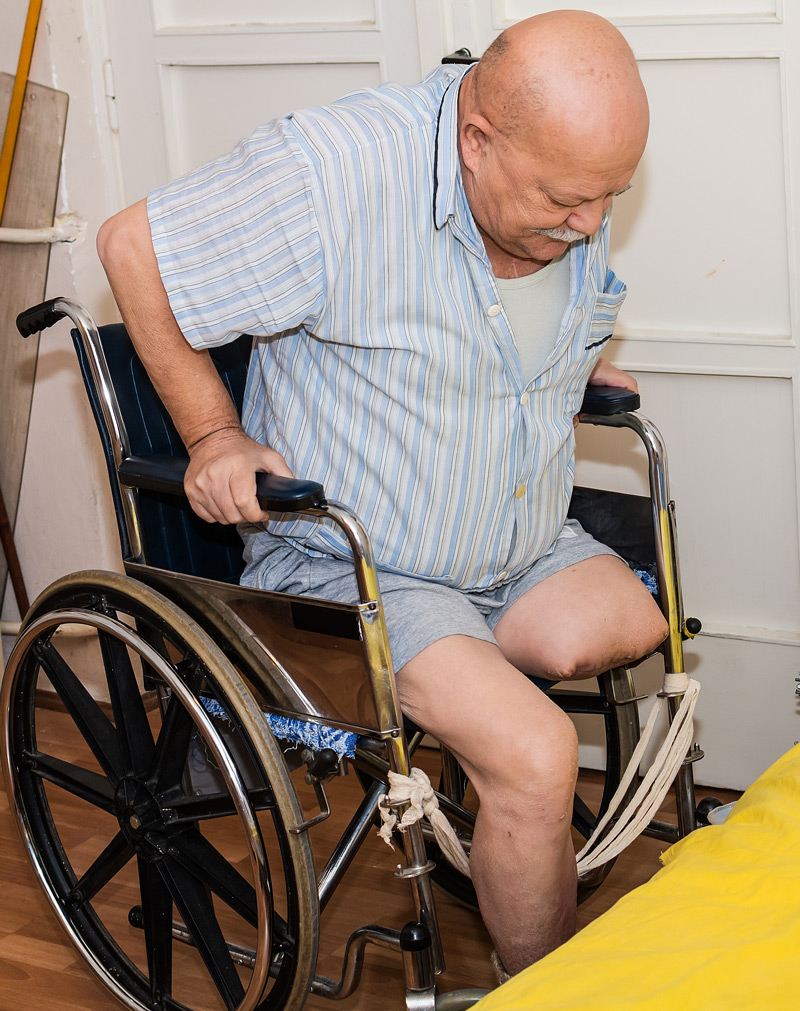
Both type 1 and type 2 diabetes are known for their life-threatening complications—in particular, blindness from retinopathy, kidney failure, and peripheral neuropathy. For patients with diabetes and foot pathology, amputation is a significant worry. A recent study in Foot & Ankle Specialist sought to understand just how much this population fears lower-extremity amputation (LEA).

As summer approaches and we become more active outdoors, wasps will become more active, too. Two recent studies highlight the pain and danger of the ubiquitous wasp. The first study, from entomologists at the University of Utah, looked at stinger length compared to reported pain and toxicity.1
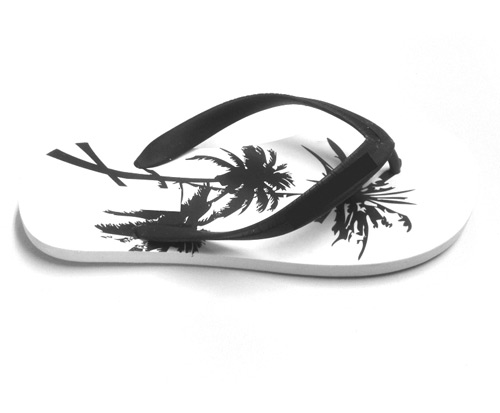
Many have long suspected the answer, but a new study would appear to resolve the question: Are flip flops really that bad for your feet? According to Chen and colleagues from the Department of Biomedical Engineering at The Hong Kong Polytechnic University, flip flops are most likely no better than barefoot when it comes to lower-limb co-contraction and joint contact force in the ankle.

Spasticity occurs in 20% to 40% of stroke patients. Two new studies add to the body of evidence supporting the use of botulinum toxin type A (BT-A) injections for post-stroke spasticity: the first looked at the ideal timing of injections for plantar flexor spasticity, and the second looked at ultrasound-guided injections for spastic equinovarus.
Join
Stay in the loop with the latest news and updates! Subscribe now to receive exclusive content, special offers, and important announcements straight to your inbox. Don’t miss out – join our community today for all the latest updates delivered directly to you.