Promote your business name and logo with Sher Brand Custom Embossed Leather Orthotics from Sroufe Healthcare Products. Customizing a quality product with your embossed name and logo allows you to promote your business and retain customers for repeat orders. Custom...
Lower Extremity Review
Slip-Resistant Athletic Shoes
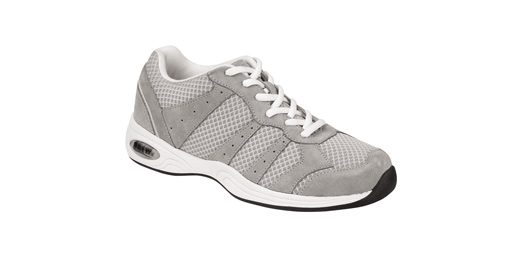
Drew Shoe Corporation introduces its new line of slip-resistant athletic shoes, available in four styles: Men’s lace-up (Atlas), Men’s Velcro (Apollo), Women’s lace-up (Hara), and Women’s Velcro (Venus). The shoes feature a removable, dual-density footbed with added...
KeepingPace KPO96 Shoe
KeepingPace, manufacturer of children’s orthopedic footwear, announces the arrival of their girls' Mary Jane, style KPO96. Designed to accommodate an- kle foot orthoses and adaptive footwear needs, the KPO96 features extra depth-extra widths, a flexible fit, full toe...
Tri-Series AFOs
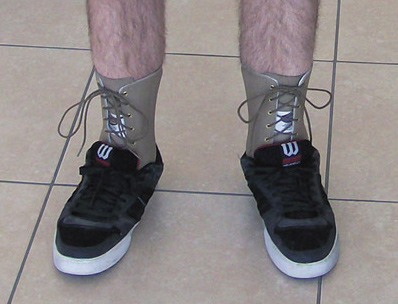
Eastern Podiatry Laboratories introduces three new AFOs: the Tri-Lock, Tri-Flex, and Tri-Motion. The Tri-Lock AFO is a plastic reinforced, leather covered ankle gauntlet. It is available in 11 leather colors and three nubuck colors, four closure types, two standard...
Digital Foot Scanning
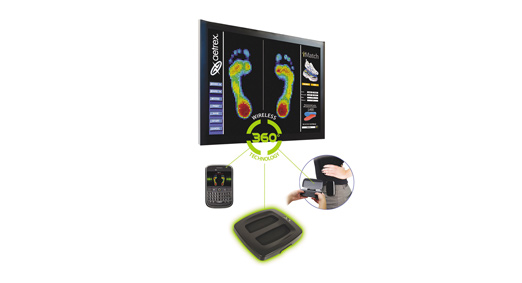
iStep Wave Aetrex Worldwide introduces the iStep Wave – a completely wireless foot scanning technology that captures three essential elements of feet: foot size, arch type, and pressure points. The iStep Wave features 3,744 gold-plated barometric sensors and 1,326...
Economic downturn has upside for your practice
Call it rose colored glasses, or simply being the eternal optimist. Whatever you call it, historical evidence suggests that certain companies can trace their phenomenal business successes to decisions made during severe recessions.
By Jason Kraus
Runners and shoes: The knowledge gap
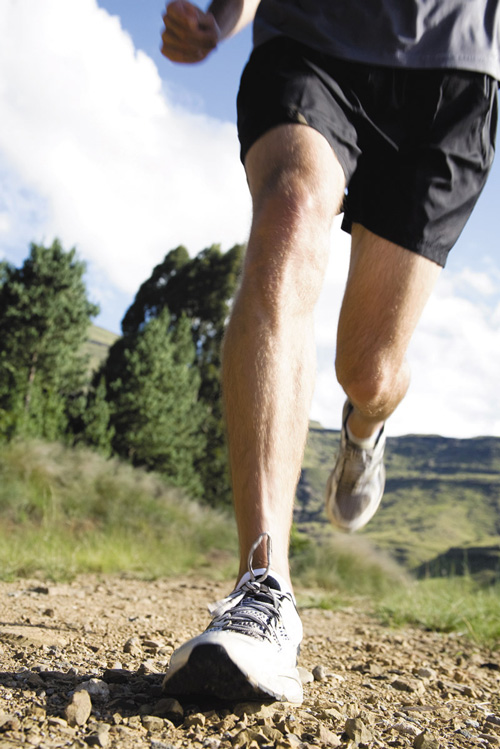
Long-distance running continues to be a popular recreational pursuit in the U.S. The running boom of the 1970s opened the door for mass participation in road races and marathons, and today there are an estimated 36 million runners in the U.S. Increased participation, however, has led to an increased number of injuries as well. The yearly incidence of running injuries is estimated to be between 37% and 56%.
by Ryan C. Enke, MD
PLANTER’S PUNCH: Kicking and ACL injury risk
Most studies of kicking in soccer have focused on the kicking leg. But the biomechanics of the plant leg, which often functions at odd and unexpected angles, may have greater implications for injury.
By Sarah E. Clagg, DPT, Angela R Warnock, MPT, and James S. Thomas, PT, PhD
Out on a limb: Weakness in numbers
Sometimes it’s hard to tell when it’s spring in New England, particularly when there are frost warnings in late April and the local hockey and basketball teams are still playing well into May. But one telltale sign is when the air is abuzz with baseball statistics. By Jordana Bieze Foster, Editor
Plantar shear: Casting light on ‘dark matter’
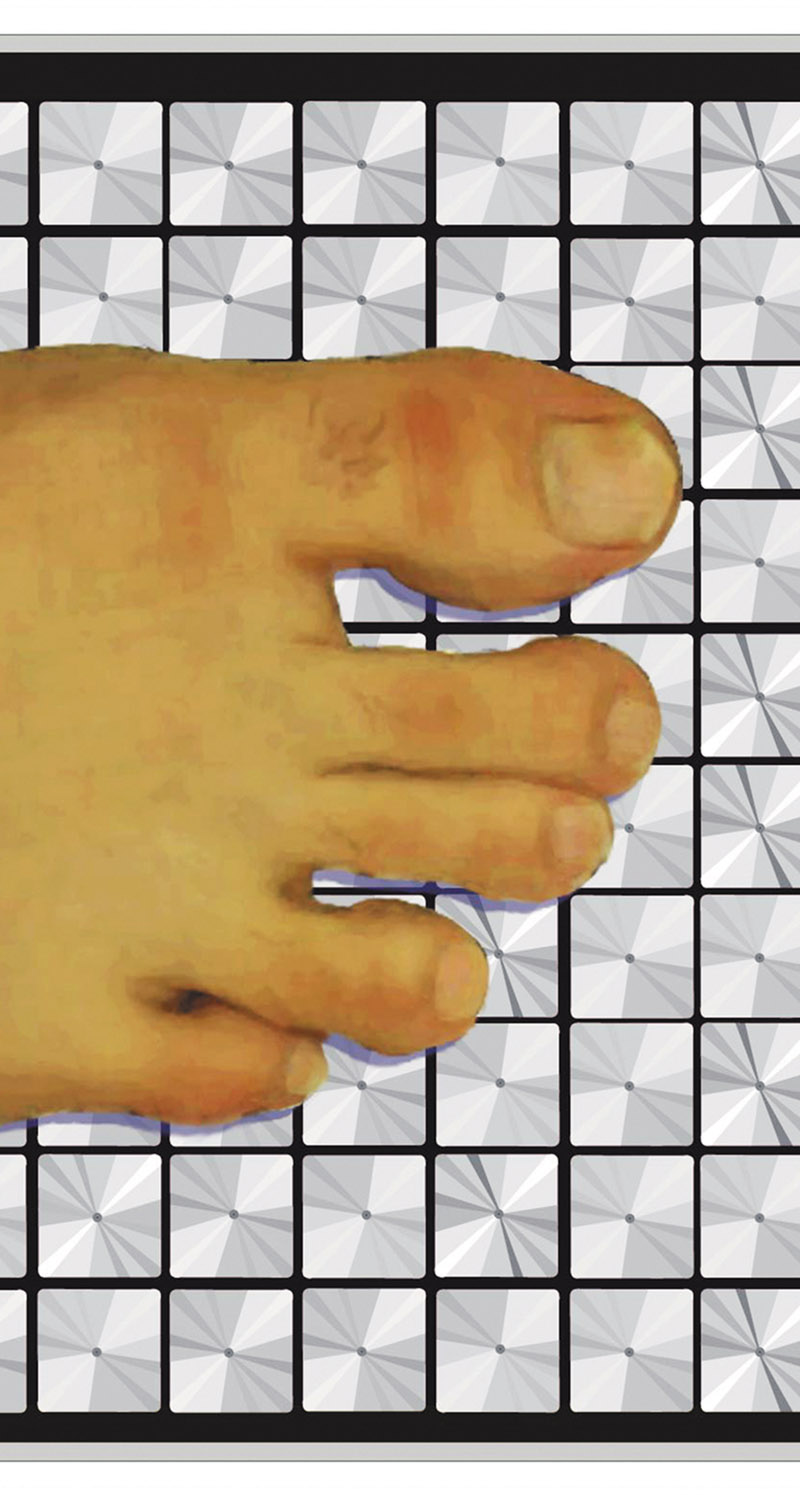
Researchers and practitioners are gradually realizing that peak plantar pressure may not be as useful for predicting and preventing diabetic foot ulcers as previously thought, and are beginning to refocus their attention on plantar shear.
By Metin Yavuz, PhD
Yoga practice enhances management of knee OA
Research suggests that a tailored yoga practice can help reduce pain and improve function in patients with knee osteoarthritis. Potential mechanisms include strengthening, improving flexibility, and altering gait biomechanics. by Richa Mishra, MD, and Sharon L. Kolasinski, MD
Balance assessments for ankle instability
Identifying balance deficits associated with functional ankle instability may help practitioners design proper rehabilitation protocols. But when it comes to accuracy and clinical utility, not all balance assessments are created equal.
by Scott E. Ross, PhD, ATC, Shelley W. Linens, PhD, ATC, and Brent L. Arnold, PhD, ATC
Strength in moderation: Finding synergy in CP
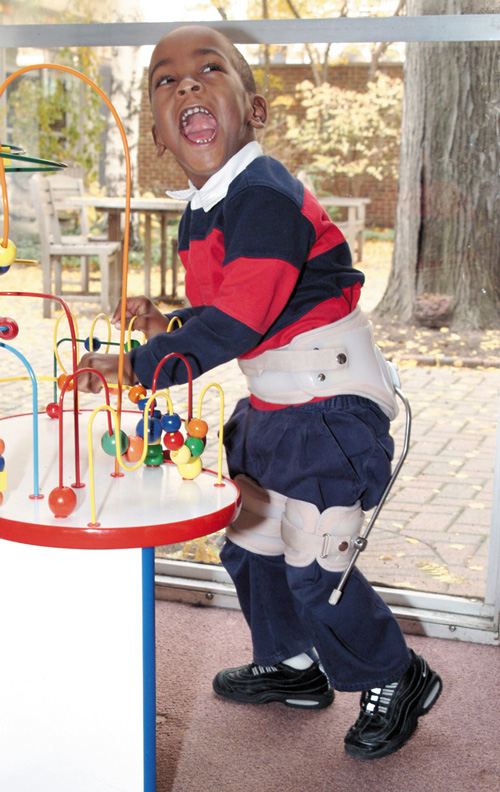
Strength training can help address weakness in children with cerebral palsy, but it can’t restore lost motor signals. Orthoses can help balance muscle activity while providing stability, but in some patients can hinder normal motion. Ultimately, the ideal synergy between the two approaches may be different for each patient.
by Cary Groner
In the moment: O&P
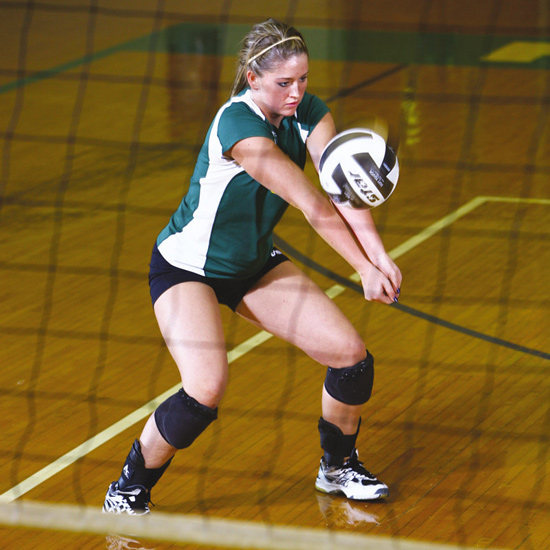
Net gain for ankle bracing – Rigid and semi-rigid ankle braces may help prevent inversion ankle sprains in female volleyball players with no previous history of sprain, according to research published in the April issue of Foot & Ankle International. Plus: • Neuropathyandgait • Partialweightbearing • Erratum
In the moment: Footcare
PTTD prognostication – Four variables, identifiable at an initial clinical evaluation, can help predict whether bracing will be successful in patients with posterior tibial tendon dysfunction, according to research from the University of Rochester Medical Center in Rochester, NY.
Plus: • Athleticshoetraction • OrthosesandMTSS
Join
Subscribe For Updates
Stay in the loop with the latest news and updates! Subscribe now to receive exclusive content, special offers, and important announcements straight to your inbox. Don’t miss out – join our community today for all the latest updates delivered directly to you.