Amfit introduces direct-milled polypropylene functional orthotics (FOs). This addition to Amfit’s central fabrication facility allows practitioners to specify and dispense polypro FOs with the same ease as its ethyl vinyl acetate (EVA) functional orthotics. Amfit...
Lower Extremity Review
Hersco Low Profile Ankle Gauntlet
Hersco Ortho Labs introduces the extra low profile Butterfly brace, a lightweight, flexible, custom-made ankle gauntlet designed to fit in almost any shoe. The Butterfly is a slim version of the traditional plastic-in-leather ankle support and is an option for...
Double Depth From Dr. Comfort
Offering patients appealing styles of diabetic shoes can improve compliance and outcomes. Dr. Comfort’s new Double Depth Collection adds four new style options to its two classic designs; all come in several colors. This collection works for hard-to-fit patients,...
Handcrafted Leather Orthotics
ComfortFit Labs’ Classic Leather Collection’s trio of handcrafted orthotics includes the Leather Balancer, Leather Shaffer, and Leather Laminate. The Leather Balancer’s deep heel cup provides rearfoot control and minimizes mediolateral instability. The Leather...
New papers revisit, rekindle flexible flatfoot controversy
“Other considerations” spark debate
In January 2010, when LER first covered the controversy, Australian podiatrist and researcher Angela Evans, PhD, had recently published a paper in the Journal of the American Podiatric Medical Association suggesting that children whose feet were flatter than expected, but asymptomatic, should be monitored rather than automatically treated with orthoses.
By Cary Groner
CP experts assess evidence for use of orthotic devices
Despite progress, research gaps remain
The January publication in NeuroRehabilitation of the recommendations from a consensus conference held in 2008 paints a less-than-perfect picture of the evidence underlying orthotic management of cerebral palsy (CP).
By Larry Hand
ACL injury prevention training focuses on younger athletes
Age-specific protocols are key to success
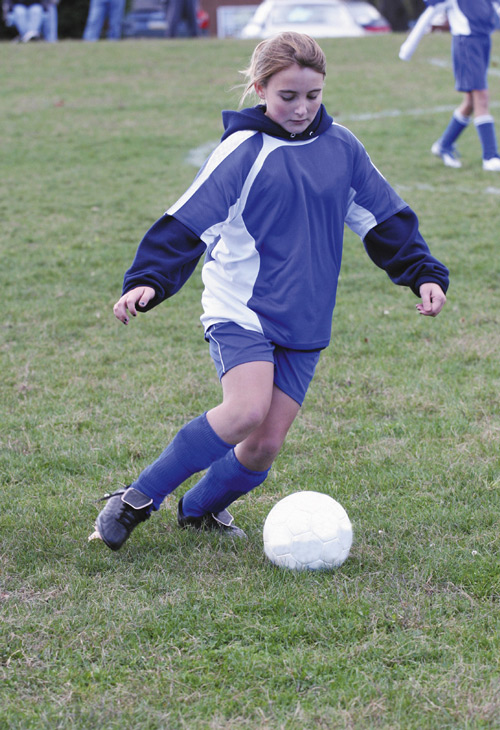
Training programs aimed at preventing anterior cruciate ligament injuries have been used for many years, but injury rates remain high. Injury prevention experts suggest such programs may be more effective if implemented before children reach the ages associated with highest injury risk and if the programs utilize age-specific protocols.
By Emily Delzell
Not all practitioners embrace soft soles for novice walkers
Barefoot-like isn’t necessarily best
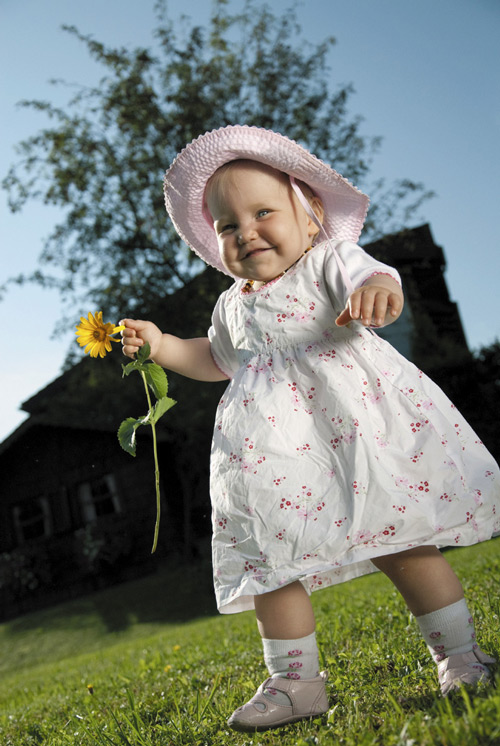
Barefoot is a biomechanics buzzword these days, but not all practitioners believe soft-soled shoes are best for very young children, even if such shoes do approximate the barefoot walking experience.
By Shalmali Pal
Charcot-Marie-Tooth patients respond to AFO management
But recognizing device limits is key
Muscle weakness and instability associated with Charcot-Marie-Tooth disease in children can be addressed with ankle foot orthoses, research suggests, but practitioners should be aware of the limitations of AFOs in this patient population as well as the ever-present challenge of compliance.
By Shalmali Pal
French study favors Ponseti over compatriots’ technique
Casting simplifies clubfoot management
In a comparative study published in the April/May issue of the Journal of Pediatric Orthopaedics, French researchers found that Ponseti casting compared favorably to French physiotherapy for initial treatment of idiopathic clubfoot.
By Emily Delzell
Early research characterizes gait associated with autism
Results could have clinical implications
Little research has been published about gait patterns in children with autism, but that could be changing. One recently published study, although small, appears to lay the foundation for more focused research and could have clinical implications as well.
By Larry Hand
EXERCISE AND NEUROPATHY: Not mutually exclusive
Exercise is a cornerstone of treatment for diabetes, but for years patients with peripheral neuropathy have been discouraged from weight-bearing exercise for fear of further increasing ulceration risks. Now new research is turning that advice on its head.
By Cary Groner
Publisher’s memo: Our second year
Another year has virtually flown by, and I am so happy to share with you LER’s progress as an organization in the past year. Thanks in no small part to you, our readers, we have experienced a lot of exciting accomplishments and achieved some key goals that I had set when I started the magazine.
Richard Dubin, Publisher
Out on a limb: Subtle distinctions
Those investigating alleged improprieties associated with a 2007 study on hip protectors will tell you their efforts are all about ethics. But the way I see it, the more important lesson to be learned from this situation is one of biomechanics, specifically the clinical importance of the subtleties of asymmetry.
Jordana Bieze Foster, Editor
Ankle sprain prevention revisits shoes as solution
In the ongoing battle against inversion ankle sprains in basketball and other sports, high tops are old news. But shoe designers have begun to investigate other ways that shoes might play a role in preventing sprains rather than contributing to the problem.
By Cary Groner
Join
Subscribe For Updates
Stay in the loop with the latest news and updates! Subscribe now to receive exclusive content, special offers, and important announcements straight to your inbox. Don’t miss out – join our community today for all the latest updates delivered directly to you.