Posterior tibial tendon dysfunction (PTTD) continues to bedevil clinicians treating patients for whom a conservative, nonsurgical approach is indicated. Although extensive research has supported treatment with AFOs, few controlled trials have been conducted, and the choice between articulated and solid designs has largely remained a matter of individual preference.
Lower Extremity Review
Good to go? Testing key after TKA
Recent published studies suggest that patient-reported outcomes after total knee arthroplasty (TKA) don’t actually reflect performance on functional tests. So, although patients may be reporting significant improvement in their ability to walk, climb stairs, and function overall, their Timed Up and Go Test results may actually tell a different story.
New twists on ankle sprain prevention
Athletes, coaches, and trainers have long known that ankle sprains—the most common athletic injury—seem more likely as games wear on and players become tired. Only recently, however, have researchers begun to quantify how fatigue affects biomechanics and what those changes may imply for injury risk and prevention.
Stress fracture factors guide orthotic choices
Stress fractures are generally thought to occur due to a multitude of factors. These include age and activity level (those under age 24 experience most such injuries, probably during high-intensity athletics and military service); gender (women are at higher risk, partly as a result of endocrine issues); and training (or overtraining) while wearing inadequate footwear.
Likely link in patellofemoral conditions
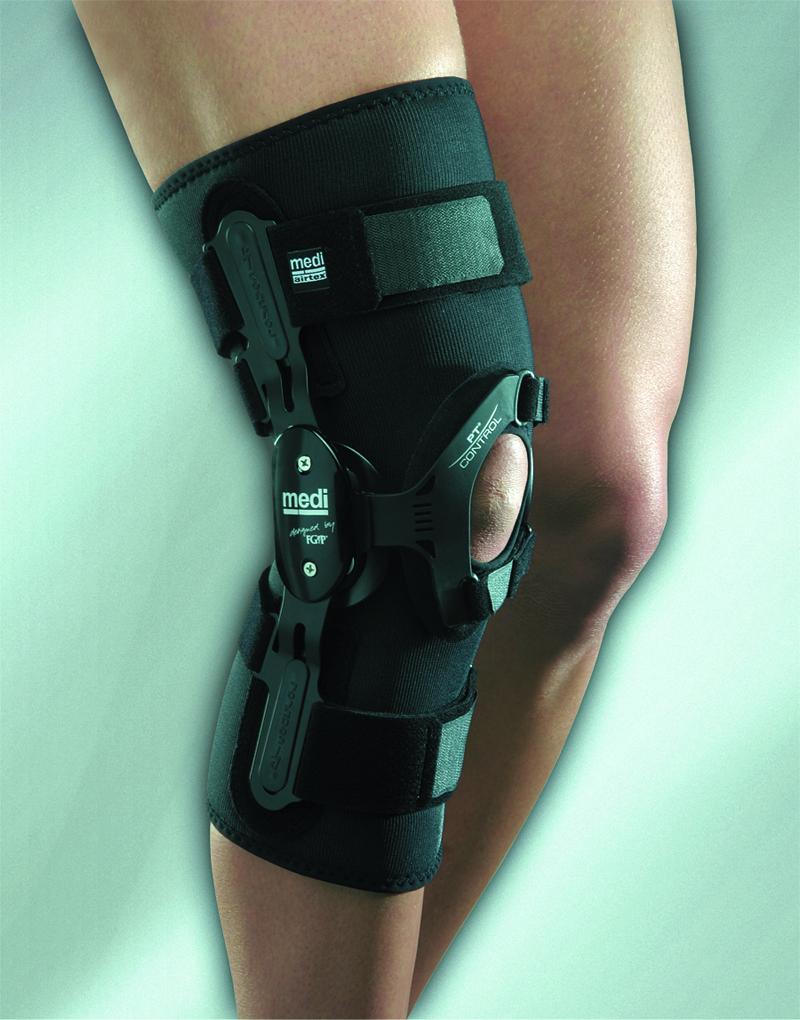
ike other common multifactorial conditions, patellofemoral pain syndrome (PFPS) can be frustrating to treat. Contributing factors may include overuse, malalignment, muscular dysfunction, microtrauma, or a combination; multimodal treatment regimens are popular for relieving immediate symptoms.
CAD-CAM’s features help win O&P converts
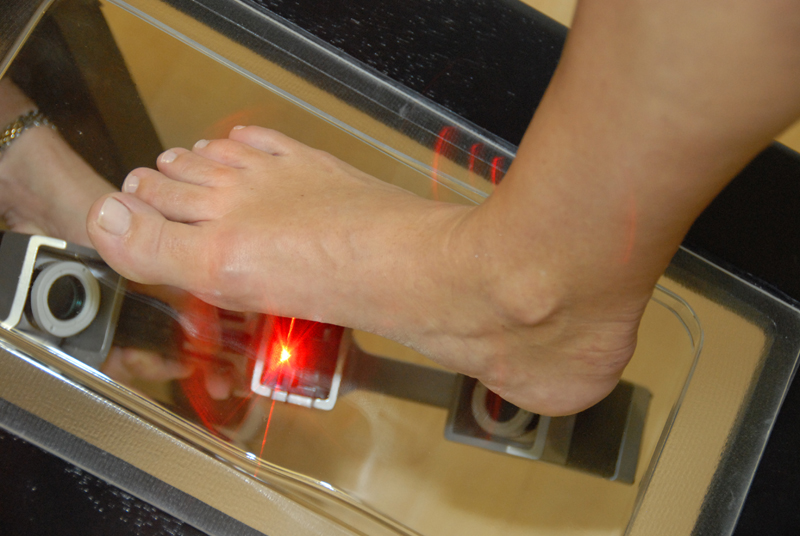
Shane Coltrain, CPO, knows computer-aided design and computer-aided manufacturing (CAD-CAM) as well as anyone in his field. That’s because he’s been using it for about eight years, gaining experience with the tool every day while so many of his industry colleagues remain resistant to make the technological leap.
Out on a limb: It’s all about you
At Lower Extremity Review, we know there are literally thousands of products out there that can help you improve your clinical outcomes. But the existence of all those products doesn’t really do you or your patients much good if you don’t know where to find them.
By, Jordana Bieze Foster, editor
PFPS gender gap inspires researchers
Although the mechanisms behind patellofemoral pain syndrome (PFPS), like those of anterior cruciate ligament (ACL) injuries, are still somewhat elusive, research is shedding new light on the role gender plays in the onset of this chronic overuse condition.
By Linda Weber
Heel pain relief: Expanding the playbook
The science of treating plantar fasciitis in athletes is evolving to consider the unusual demands these patients put on their feet. Although clinicians continue to rely on conservative management with rest, ice, anti-inflammatory medications, taping, and orthoses, some are embracing new approaches that seem counterintuitive but offer evidence of improved outcomes.
by Cary Groner
Lower extremity O&P warms to CAD-CAM
With a start-up cost of many tens of thousands of dollars and a steep learning curve, it’s no surprise that many O&P practitioners have been slow to transition to computer-aided design and computer-aided manufacturing (CAD-CAM).
By L.W. Barnes
Ankle sprain research focuses on teens
Epidemiological studies confirm what coaches, trainers, parents, and student athletes already know—that ankle sprains are the most common musculoskeletal injury among high school athletes. A study in the August issue of the American Journal of Sports Medicine bears that out, with recurrent ankle injuries accounting for 28.3% of recurrent traumatic sports injuries in teen athletes.
by Linda Weber
CPO seeks central fab: Finding a match
Charles Kuffel, CPO, of Blaine, MN, knows his limitations. If the clinician and father of four is going to keep his referrals happy, get products to his patients on time and have a life outside the office, it means outsourcing some orthotic orders to a central fabricator.
By L.W. Barnes
For those about to rock, we caution you
Shoes with rocker-bottom soles have long been used to alleviate plantar pressures in diabetes patients and others susceptible to forefoot pain or ulceration. The soles move the apex of the toe rocker behind the metatarsal heads, reducing pressure as the patient’s weight transfers forward over the ball of the foot.
by Cary Groner
Shear Madness: Beyond plantar pressure
Clinicians have known for many years that uneven plantar pressures, combined with the loss of sensitivity caused by peripheral neuropathy, are associated with foot ulcers in diabetes patients. Ulcers often occur in different areas than peak pressures do, however. Shear forces, caused by pressure differentials in the foot, may be more to blame than plantar pressures per se.
by Cary Groner
Drop foot mechanics outweigh etiology
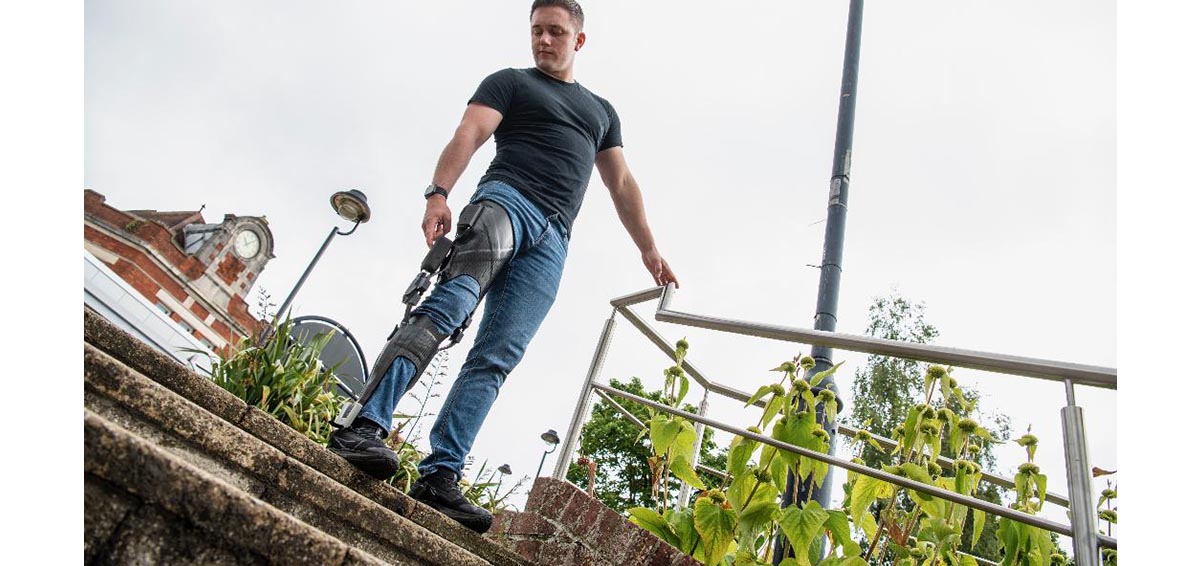
Conditions associated with drop foot are as varied as post-stroke hemiplegia, brain or spinal cord injury, and neuromuscular disorders including multiple sclerosis (MS). Patients with drop foot are unable to use the dorsiflexor muscles to lift the foot clear of the ground during the gait’s swing phase, nor can they control plantar flexion during heel strike. The result is an awkward, unstable gait and a tendency to trip when the toes brush the ground.
by Cary Groner
Join
Subscribe For Updates
Stay in the loop with the latest news and updates! Subscribe now to receive exclusive content, special offers, and important announcements straight to your inbox. Don’t miss out – join our community today for all the latest updates delivered directly to you.