Despite a long career that includes stints with several prominent orthotics companies, Carol Paez, director of customer satisfaction and general manager of Allard USA, said she is still growing up.
By Cary Groner

Lower Extremity Review

Despite a long career that includes stints with several prominent orthotics companies, Carol Paez, director of customer satisfaction and general manager of Allard USA, said she is still growing up.
By Cary Groner

Cleveland,OH-based Acor Orthopaedic is a manufacturer and supplier of pedorthic products, including foot orthotics, diabetic shoes, comfort footwear, custom orthopedic footwear, and orthotic materials. Acor is owned by brothers Greg Alaimo, CP, and Jeffrey Alaimo, CPO, and is built of a team of engineers and practitioners. All contribute to product design, selections, and creation.
By Samantha Rosenblum

Lower extremity healthcare is constantly changing. New products and techniques are developed and old products and techniques are modified in new ways. New technologies change the way we receive and process healthcare information. New research makes us rethink what we thought we knew.
Jordana Bieze Foster, Editor

Preliminary research suggests that impaired balance in patients with diabetic peripheral neuropathy (DPN) may improve with proprioceptive stimulation from foot orthoses. Postural instability is common in patients with diabetic neuropathy, said David Levine, DPM, CPed, who is in private practice in Frederick, MD.
By Katie Bell

Every day, people willingly trade good foot health for stylish shoes—think stilettos, platforms, and pointy toeboxes. For some time, however, patients who wore diabetic footwear didn’t have the option of worrying about style versus substance.
By Shalmali Pal

Myths abound in discussions about healthcare (just think chicken soup). But when it comes to the use of compression hosiery, some tales can be debunked easily. The benefits of compression hosiery include improved blood circulation for patients with varicose veins, or achy swollen feet—especially helpful for those with diabetes.
By Larry Hand

Any time a practitioner applies an orthotic device, such as an ankle foot orthosis (AFO) to offload a diabetic foot ulcer, he or she also has to make sure pressure is not redistributed to the point that a new ulcer is created elsewhere on the foot. Devices have to be constructed with the correct materials and properly fitted to the foot, which leaves a lot of leeway for practitioners.
By Larry Hand

Outsourcing has become integral to streamlined manufacturing and, in the O&P world, central fabrication services fit the bill. Yet, for practitioners dealing with a customer service rep in a different time zone or an employee in a far-off land, communication isn’t always easy to achieve. Lower Extremity Review checked in with O&P experts on effective ways to communicate with central fab facilities.
By Shalmali Pal
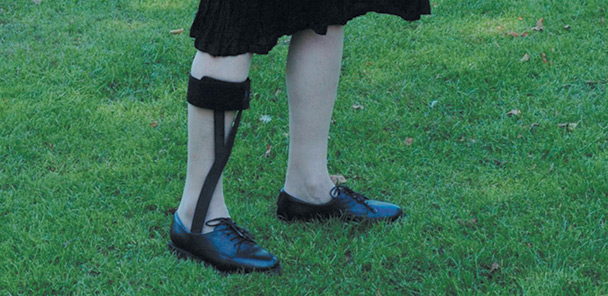
In patients affected by both diabetes and drop foot, ankle foot orthoses (AFOs) can help restore a more normal gait pattern and reduce the mechanical risks of ulceration. But microtrauma caused by irritation and elevated pressure is also a significant concern in these patients, making device selection and fit critical concerns.
By Larry Hand

Research indicates that primary care physicians are underprescribing exercise as a treatment for knee osteoarthritis, and experts suggest the same can be said about bracing. “I think primary care physicians probably don’t know much about braces. Being primarily internists, primary care physicians may turn to what they know best, and that’s pharmacological therapy, because that’s what they’re accustomed to doing,” said Nicholas Giori, MD, PhD, an orthopedic surgeon at Stanford University School of Medicine in Palo Alto, CA.
By Larry Hand
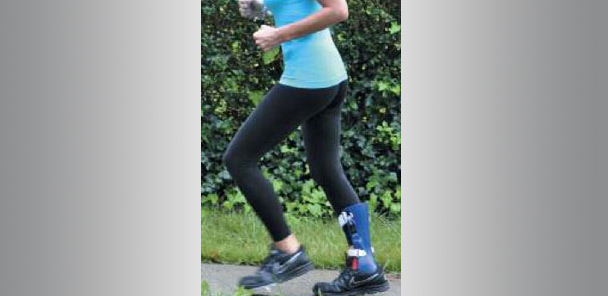
Many studies of posterior tibial tendon dysfunction (PTTD), or adult acquired flatfoot disorder, have focused on foot kinematics and benefits of bracing for pain relief and increased ambulation. But new findings from the University of Southern California in Los Angeles suggest clinicians also look higher along the kinetic chain when determining an effective treatment.
By Christina Hall Nettles
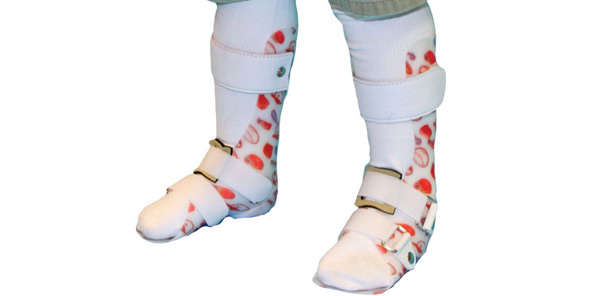
Finding shoes that fit over ankle foot orthoses (AFOs) is a challenge for thousands of children with neuromuscular disorders that affect walking ability. Parents have waited patiently while custom AFOs were molded and fitted, only to find themselves at wit’s end when trying to finish the morning dress routine.
By Christina Hall Nettles

After amputation patients and practitioners tend to focus on the affected side. But the intact limb, or “sound side,” is also worth watching as long-term shifts occur in weight distribution between limbs during gait. This stress can often lead to knee osteoarthritis (OA) in the intact limb.
By Shalmali Pal

Chronic ankle instability (CAI) has been linked to development of early ankle osteoarthritis (OA), but questions remain as to how and why the degeneration occurs and how bracing and other interventions might slow the process.
By Larry Hand
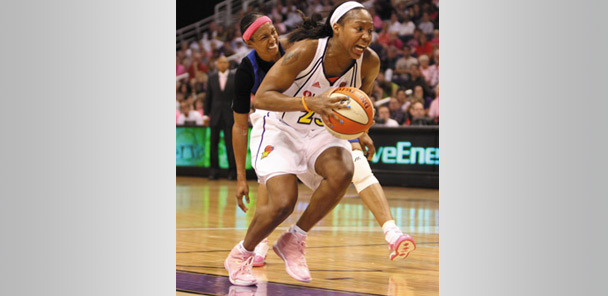
Research suggests foot orthoses can affect frontal and transverse plane motion in proximal joints during landing from a jump, which could help decrease the risk of anterior cruciate ligament injury, especially in female athletes.
By Katie Bell
Join
Stay in the loop with the latest news and updates! Subscribe now to receive exclusive content, special offers, and important announcements straight to your inbox. Don’t miss out – join our community today for all the latest updates delivered directly to you.