Clinicians who have volunteered their time in Haiti since the January earthquake have helped restore mobility and independence to a new generation of amputees.
By L.W. Barnes

Lower Extremity Review
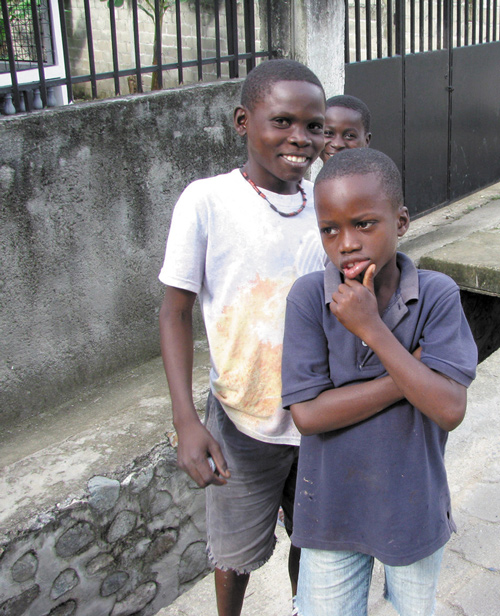
Clinicians who have volunteered their time in Haiti since the January earthquake have helped restore mobility and independence to a new generation of amputees.
By L.W. Barnes
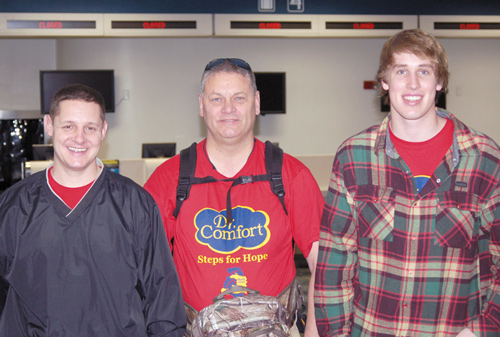
As it turned out, donating a million dollars worth of shoes was the easy part. Then there was the daunting–but rewarding–task of getting the shoes to those who needed them in Haiti.
By Todd Carter

Surgical procedures are often unavoidable in patients with diabetes, and can even help reduce future risk of ulceration. But high postoperative infection rates in this patient population pose additional challenges to practitioners.
by Ryan L. McMillen, DPM, Nicholas J. Lowery, DPM, and Dane K. Wukich, MD

The mechanism by which foot orthoses improve postural control remains uncertain, but research suggests that it may stem from improvements in sensory feedback or changes in center of pressure that in turn affect joint moments.
By Douglas Richie, DPM

Research suggests that more than three-quarters of professional basketball players return to play following microfracture surgery, but may not regain their previous level of athletic performance.
By Nirav H. Amin, MD, Martin J. Morrison III MD, Douglas L. Cerynik, MD, and James Tom, MD.

Call it rose colored glasses, or simply being the eternal optimist. Whatever you call it, historical evidence suggests that certain companies can trace their phenomenal business successes to decisions made during severe recessions.
By Jason Kraus
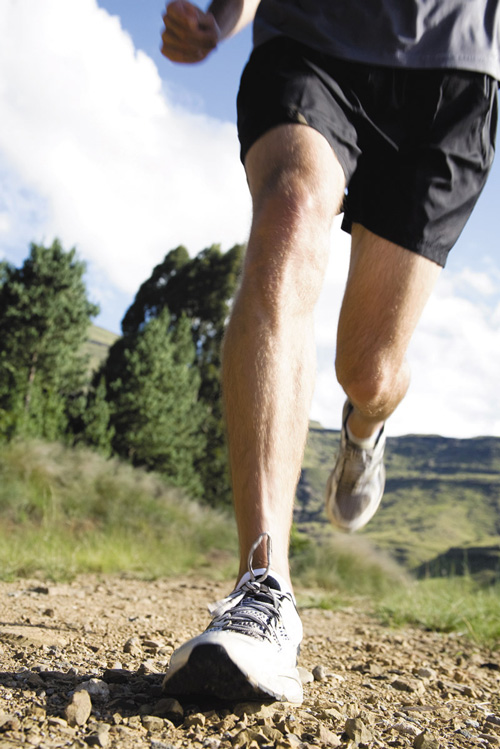
Long-distance running continues to be a popular recreational pursuit in the U.S. The running boom of the 1970s opened the door for mass participation in road races and marathons, and today there are an estimated 36 million runners in the U.S. Increased participation, however, has led to an increased number of injuries as well. The yearly incidence of running injuries is estimated to be between 37% and 56%.
by Ryan C. Enke, MD
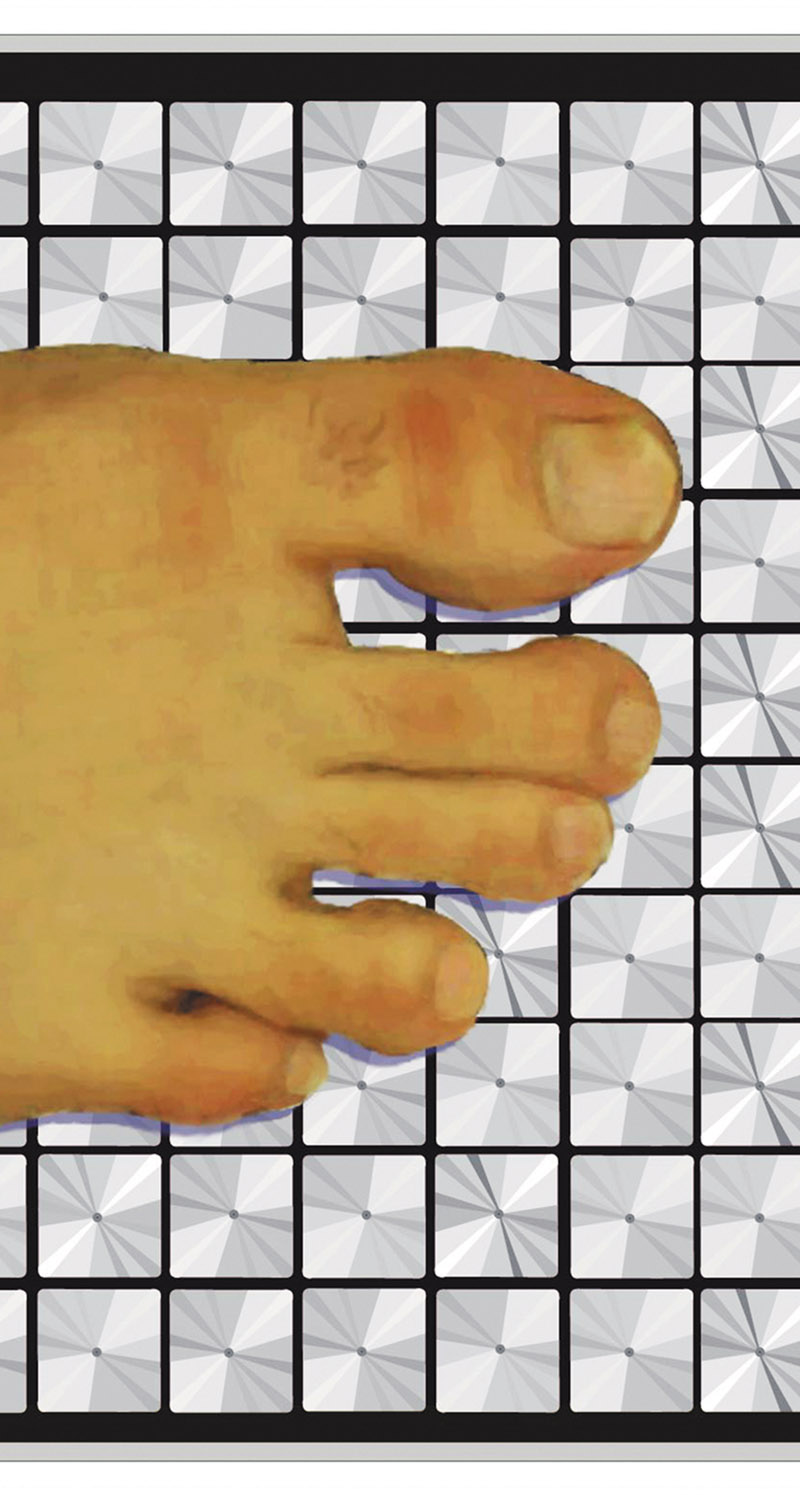
Researchers and practitioners are gradually realizing that peak plantar pressure may not be as useful for predicting and preventing diabetic foot ulcers as previously thought, and are beginning to refocus their attention on plantar shear.
By Metin Yavuz, PhD

Research suggests that a tailored yoga practice can help reduce pain and improve function in patients with knee osteoarthritis. Potential mechanisms include strengthening, improving flexibility, and altering gait biomechanics. by Richa Mishra, MD, and Sharon L. Kolasinski, MD

Identifying balance deficits associated with functional ankle instability may help practitioners design proper rehabilitation protocols. But when it comes to accuracy and clinical utility, not all balance assessments are created equal.
by Scott E. Ross, PhD, ATC, Shelley W. Linens, PhD, ATC, and Brent L. Arnold, PhD, ATC
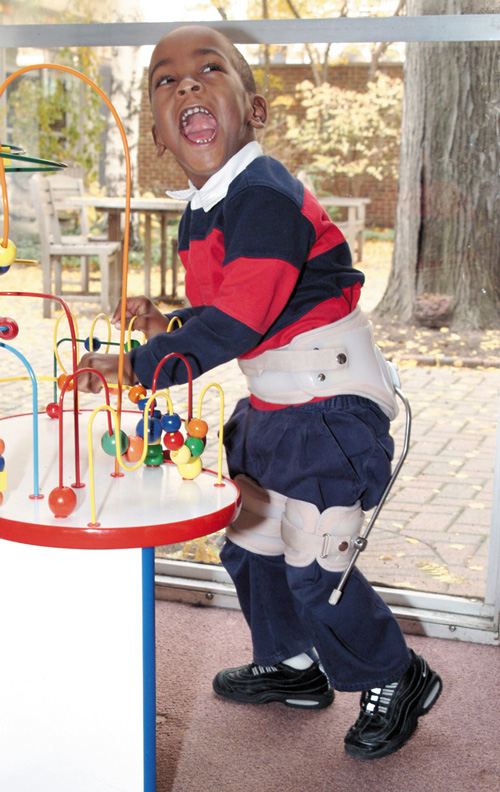
Strength training can help address weakness in children with cerebral palsy, but it can’t restore lost motor signals. Orthoses can help balance muscle activity while providing stability, but in some patients can hinder normal motion. Ultimately, the ideal synergy between the two approaches may be different for each patient.
by Cary Groner

Up to 10% of the population may present with heel pain, which underscores the importance of practitioner familiarity with the diagnosis of plantar fasciitis and the associated risk factors.
By Capt. Danielle L. Scher, MD; Lt. Col. Philip J. Belmont, Jr., MD; and Maj. Brett D. Owens, MD
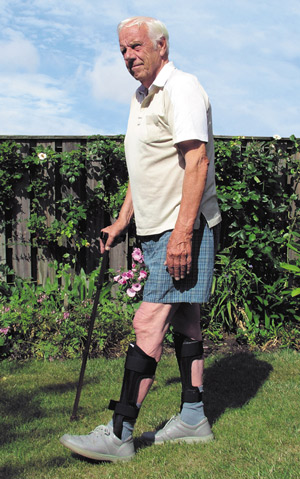
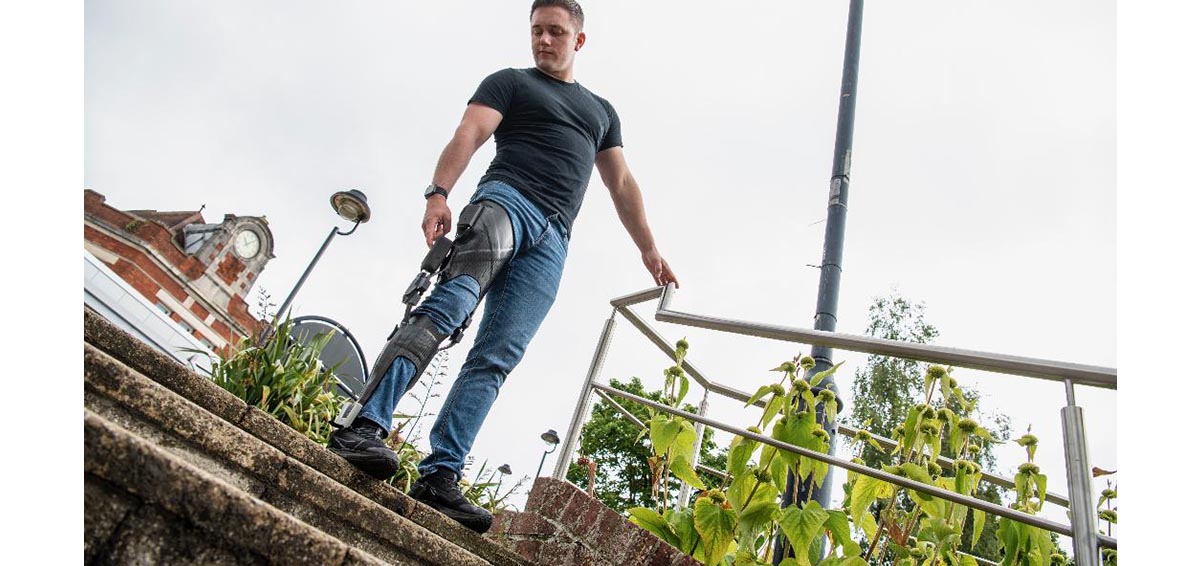
The roll-over shape, a means of directly measuring rockers during gait, can help determine ways of optimizing orthotic and prosthetic devices so that the resulting gait is as natural as possible.
By Andrew H. Hansen, PhD
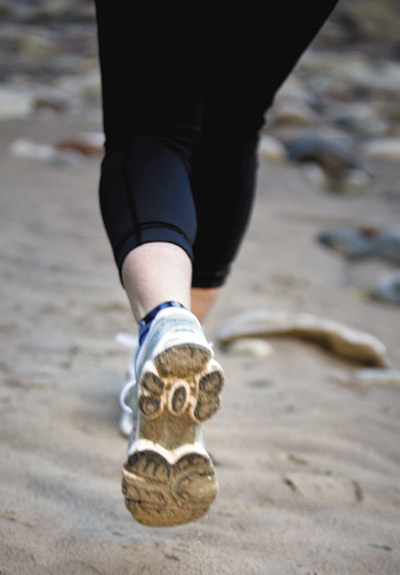
The concept of evidence-based running shoe selection is nice in theory, but in fact, the literature is replete with conflicting findings on a range of issues, from arch height to shoe construction.
By Col. Joseph M. Molloy, PT, PhD, SCS, and Maj. Deydre S. Teyhen, PT, PhD, OCS
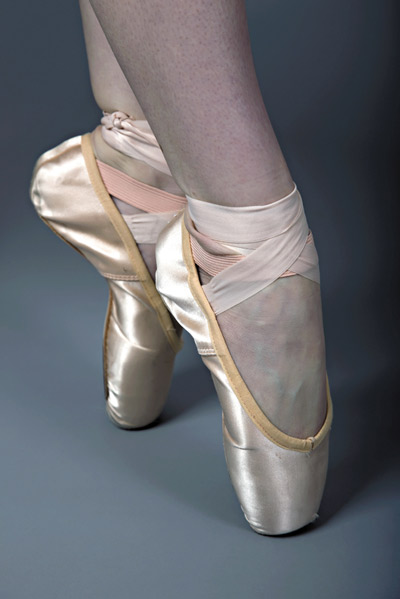
Pointe shoes, which elongate a dancer’s legs and accentuate the beauty of classical ballet technique, come with their own set of biomechanical principles—and their own set of risk factors for injury.
By Selina Shah, MD
Join
Stay in the loop with the latest news and updates! Subscribe now to receive exclusive content, special offers, and important announcements straight to your inbox. Don’t miss out – join our community today for all the latest updates delivered directly to you.