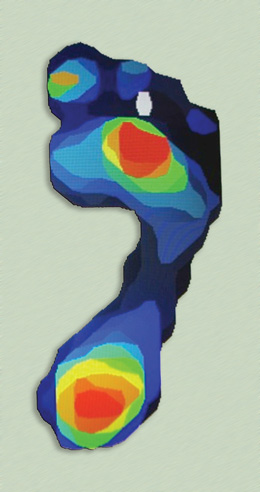
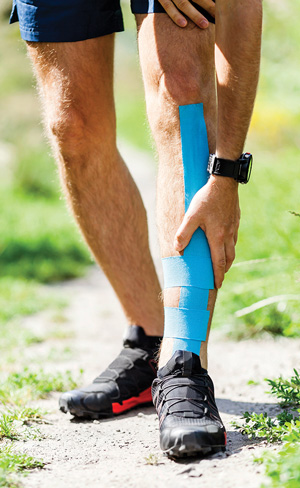
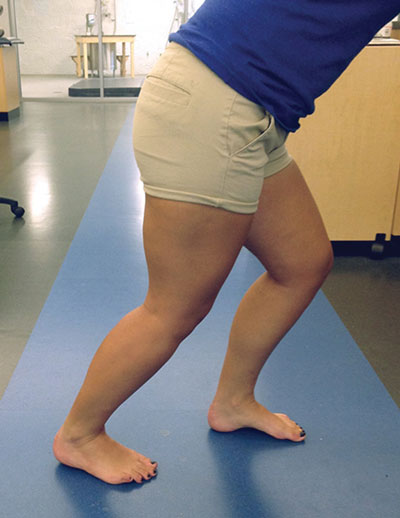
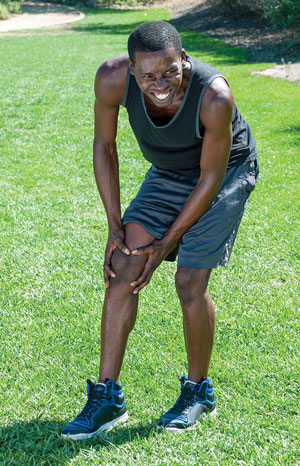
Low back pain is associated with kinematic and kinetic alterations that can increase the risk of lower extremity injury, particularly in the presence of fatigue. New research suggests…
By Ram Haddas, PhD
Lower Extremity Review
Low back pain is associated with kinematic and kinetic alterations that can increase the risk of lower extremity injury, particularly in the presence of fatigue. New research suggests…
By Ram Haddas, PhD
Reported cases of Lyme disease have been rising steadily over the past 30 years, but its diagnosis can be challenging. Left untreated, patients with Lyme disease can go on to develop neurological symptoms, including those that are characteristic of peripheral neuropathy.
By Greg Gargiulo
The effectiveness of eccentric training for the prevention and rehabilitation of hamstring strains has been established in the medical literature. The next step is to identify an eccentric hamstring exercise that addresses the limitations of existing…
By Karl F. Orishimo, MS, CSCS, and Takumi Fukunaga, DPT, ATC, CSCS
Patient-reported outcomes can be used to monitor health-related quality of life in patients with chronic ankle instability, and lower extremity practitioners can design rehabilitation approaches to specifically target physical impairments that are known to contribute to quality of life.
By Megan N. Houston, PhD, ATC, and Matthew C. Hoch PhD, ATC
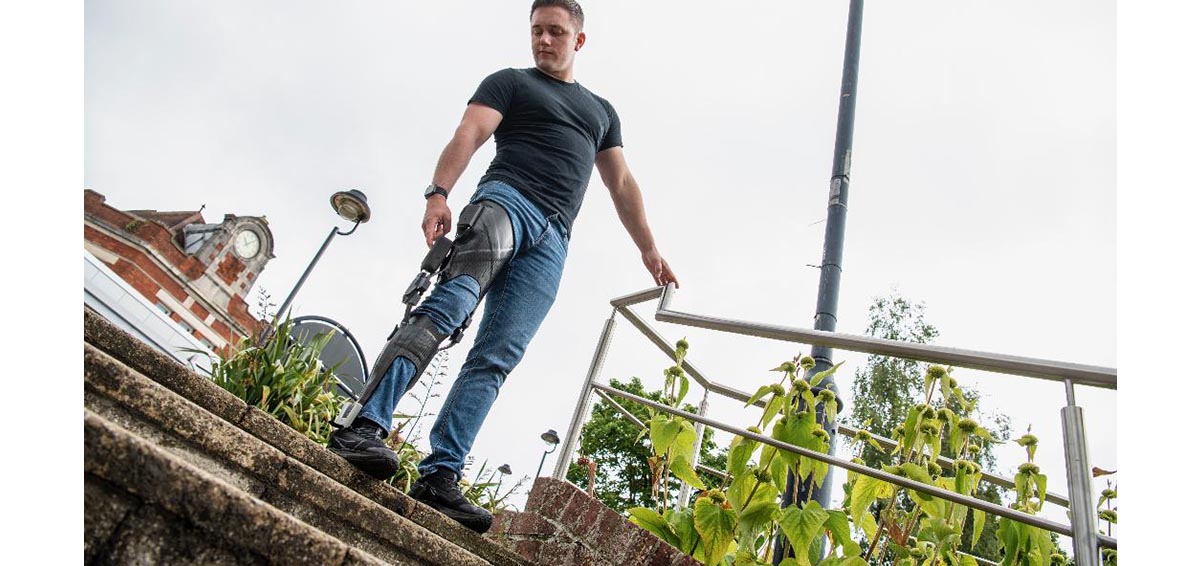
Systematic reviews and meta-analyses show that bracing for knee osteoarthritis (OA) is associated with significant benefits with regard to pain and function. But links to disease progression remain elusive, and the challenges of patient compliance are becoming even more complicated.
By Larry Hand
Research supports eccentric strengthening for treatment of midportion Achilles tendinopathy, but a new study suggests the same approach…
By Lisa H. Jain, DPT, OCS; Kevin J. McCarthy, MD; Michael Williams, PT, OCS; Marie Barron, PT, OCS; Nick Bird, MPT; Brian Blackwell, PT, OCS; G. Andrew Murphy, MD; David R. Richards, MD; Susan Ishikawa, MD; and Margaret Kedia, PhD, DPT
Current treatments for chronic ankle instability (CAI) may be ineffective in reducing its development and recurrence. To help address this issue, the authors have proposed a new treatment paradigm based on …
By Patrick O. McKeon, PhD, ATC, CSCS, and Erik A. Wikstrom, PhD, ATC, FACSM
A knee injury can have painful and disabling long-term repercussions, such as the early onset of knee osteoarthritis (OA) or accelerated knee OA. Injury prevention and effective interventions may help …
By Jeffrey B. Driban, PhD, ATC, CSCS; Brian Pietrosimone, PhD, ATC; Nicole M. Cattano, PhD, ATC; Matthew S. Harkey, MS, ATC; and Brittney A. Luc, MS, ATC
Decreasing stride length during running has been shown to result in biomechanical changes that are associated with reduced loading of biological tissues and, by extension, also may reduce the …
By Melissa A. Thompson, PhD, and Kristine M. Hoffman, DPM
Although some research has found that using the composite score for the seven component tasks of the Functional Movement Screen is a reliable way to predict risk of injury in athletes, other studies …
By Erin Hartigan, PT, DPT, OCS, PhD, ATC; Nicole Chimera, PhD, ATC, CSCS; and Sarah Lamberton, NSCA-CPT
Current research suggests that relatively small but statistically significant changes are associated in the short term with the use of unstable shoes. However, it is unclear if those changes are clinically meaningful, or whether long-term use would yield greater or diminished results.
By Jacob Gardner, PhD
Multiple descriptive studies have demonstrated the clinical benefits of eccentric exercise interventions in patients with Achilles tendinopathy, but researchers have not yet identified the cause-and-effect mechanisms leading to decreased pain or increased function.
By Matthew Crill, MS, MBA, PT
A pilot study has demonstrated the feasibility and potential success for employing the Internet to deliver targeted individualized exercise routines for patients with knee osteoarthritis, which may help…
By Alison Brooks, MD; Bryan Heiderscheit, PT, PhD; and John E. Beaulieu, PhD
The Y Balance Test (YBT) is a reliable tool and may be used to predict injury risk. However, clear cut-points have not been sufficiently defined, and more research investigating the mechanics and muscle activation strategies used during the YBT is needed.
By Craig A. Smith, DPT, and Meghan Warren, PT, MPH, PhD
Patients with diabetes and peripheral neuropathy can benefit from participation in mild to moderate aerobic, resistance, and balance activities. But they must take precautions to ensure exercise is safe as well…
By Steven Morrison, PhD, and Sheri R. Colberg, PhD
Join
Stay in the loop with the latest news and updates! Subscribe now to receive exclusive content, special offers, and important announcements straight to your inbox. Don’t miss out – join our community today for all the latest updates delivered directly to you.