The role of hip extensor strength during cutting

The role of hip extensor strength during cutting

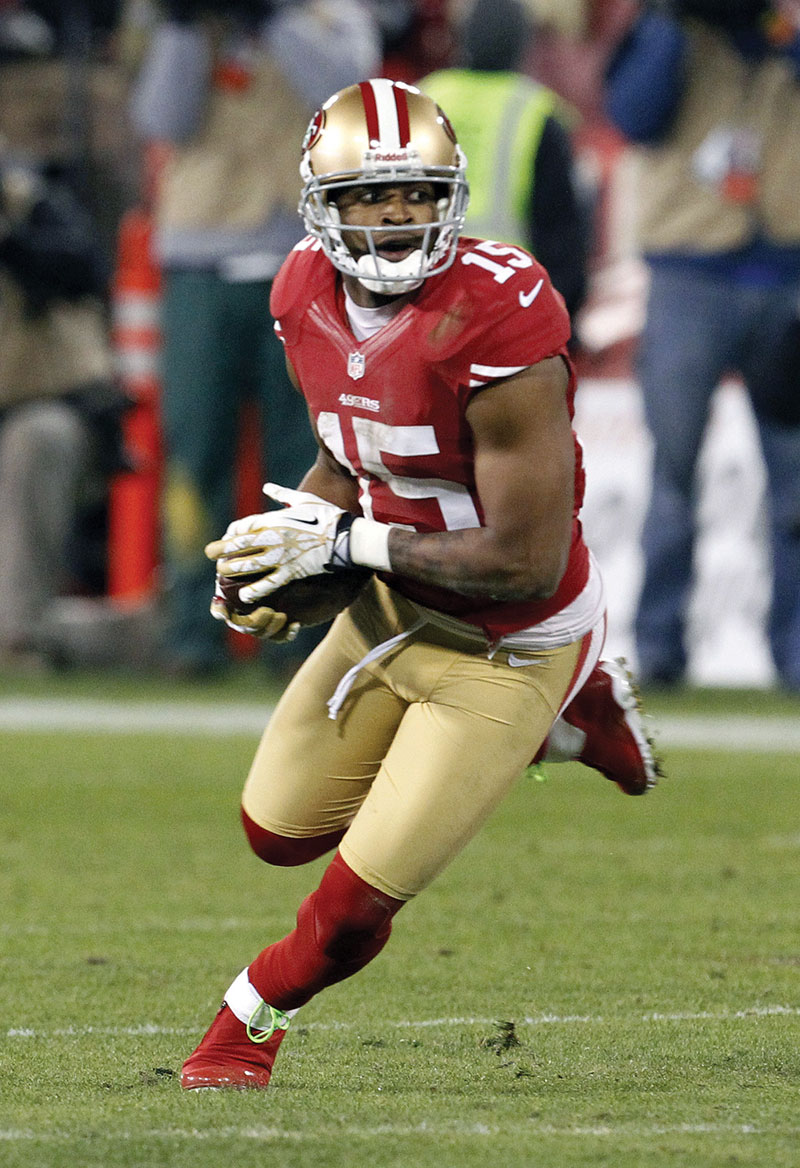
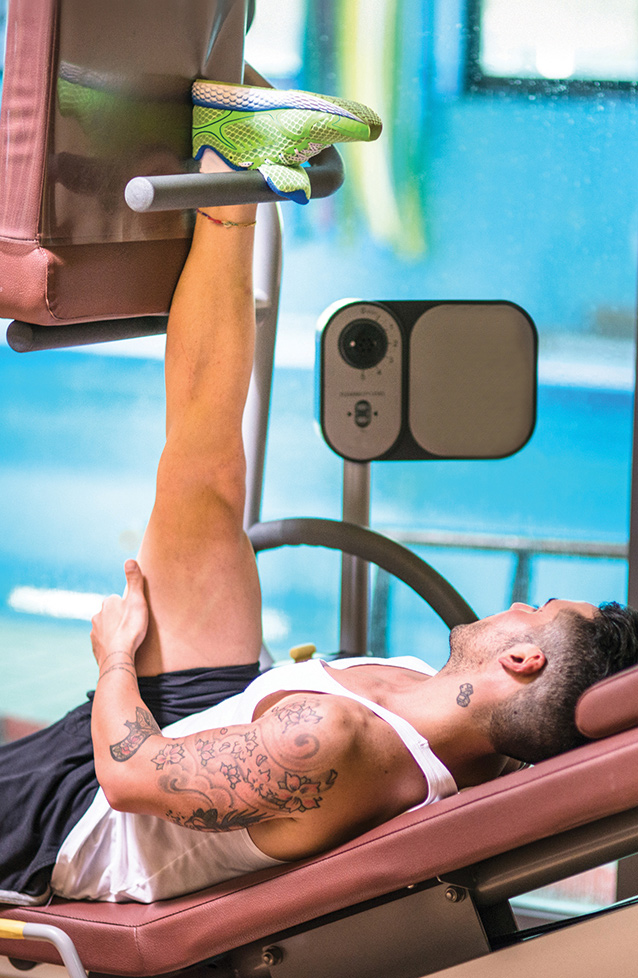
Although most clinicians tend to emphasize hip abductor and external rotator muscle  strengthening in injury prevention and rehabilitation, recent research suggests exercises to increase explosive hip extensor strength may be critical for controlling frontal plane motion during cutting tasks.

By Marc Norcross, PhD, ATC, and Sam Johnson, PhD, ATC

read more
Using wearable sensors to characterize CP gait

Using wearable sensors to characterize CP gait

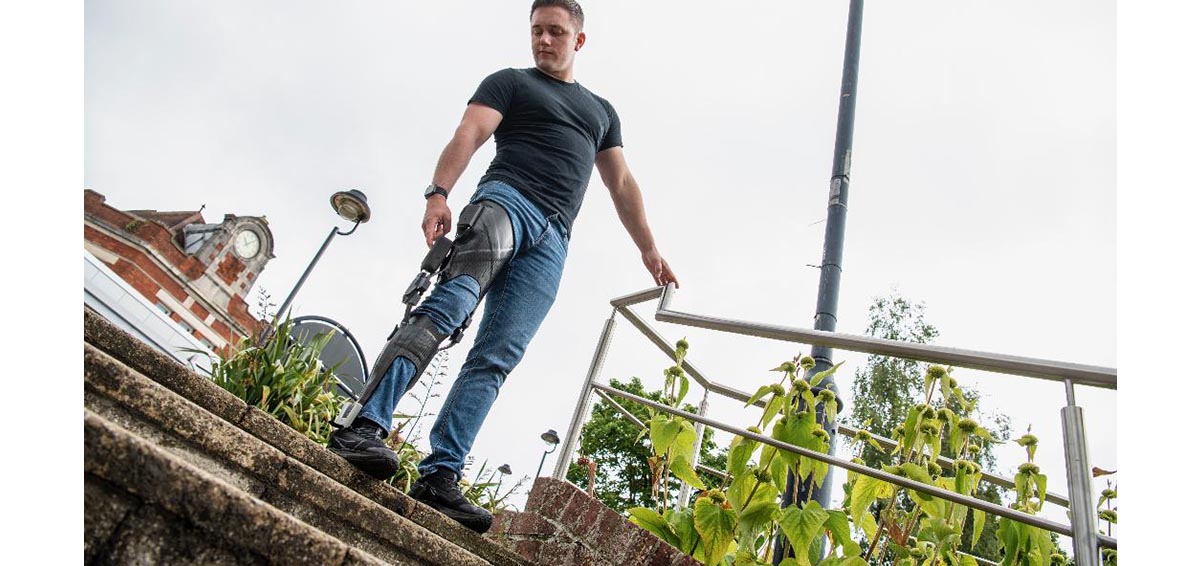
Inertial measurement units (IMUs) facilitate the creation of a gait analysis system that is portable and suited for use in the clinic. Research suggests IMUs can be used to measure clinically important gait metrics in children with cerebral palsy, which may improve patient outcomes.

By Mahmoud El-Gohary, PhD; Sean Pearson, BS; Paul Vasilyev, BS; James McNames, PhD; and James Carollo, PhD, PE

read more
Fluoroquinolones and risk of tendon damage

Fluoroquinolones and risk of tendon damage

As ciprofloxacin and other fluoroquino­lones are prescribed more frequently, tendon-related adverse effects are also becoming more common. Experts often do not recommend these drugs, particularly for athletes or elderly patients, and emphasize that all patients should know the risks.

By Barbara Boughton

read more
Psychological aspects of ACL rehabilitation

Psychological aspects of ACL rehabilitation

The ability to identify and treat patients at risk for mental health issues after anterior cruciate ligament (ACL) injury may help improve psychological readiness for reconstructive surgery, attitudes toward postoperative rehabilitation, and successful surgical and rehabilitation outcomes.

By John Reaume, MD, MHSA; Dana Reaume, PsyD; and Melissa A. Christino, MD

read more
Management of athletes with excessive pronation

Management of athletes with excessive pronation

Pronation is a triplanar movement and is the combination of rearfoot eversion, midfoot abduction, and talocrural dorsiflexion.1 Pronation in normal gait allows flexible, adaptive changes to varying types of terrain; it dissipates ground reaction forces; and encourages lower extremity internal rotation.

By Frank Layman, PT, DPT, EdD, MT; and April Wilson, PTA, BS, CI, CKTP, IASTM

read more

Join

Subscribe For Updates

Stay in the loop with the latest news and updates! Subscribe now to receive exclusive content, special offers, and important announcements straight to your inbox. Don’t miss out – join our community today for all the latest updates delivered directly to you.